
Hurricane Diana (1984): Category 4 storm that struck North Carolina
Overview of Hurricane Diana (1984), a Major Atlantic hurricane noted for rapid intensification, forecasting difficulties, and its impacts on eastern North Carolina and nearby coastal areas.
Overview
Hurricane Diana was a powerful Atlantic tropical cyclone during the 1984 season that reached major hurricane strength before affecting the United States eastern seaboard. The system underwent a period of rapid intensification over warm waters and attained peak sustained winds consistent with Category 4 intensity. Forecasters at the time found Diana unusual because of rapid changes in intensity and a shifting track that complicated warnings and evacuation timing.
Image gallery
7 Images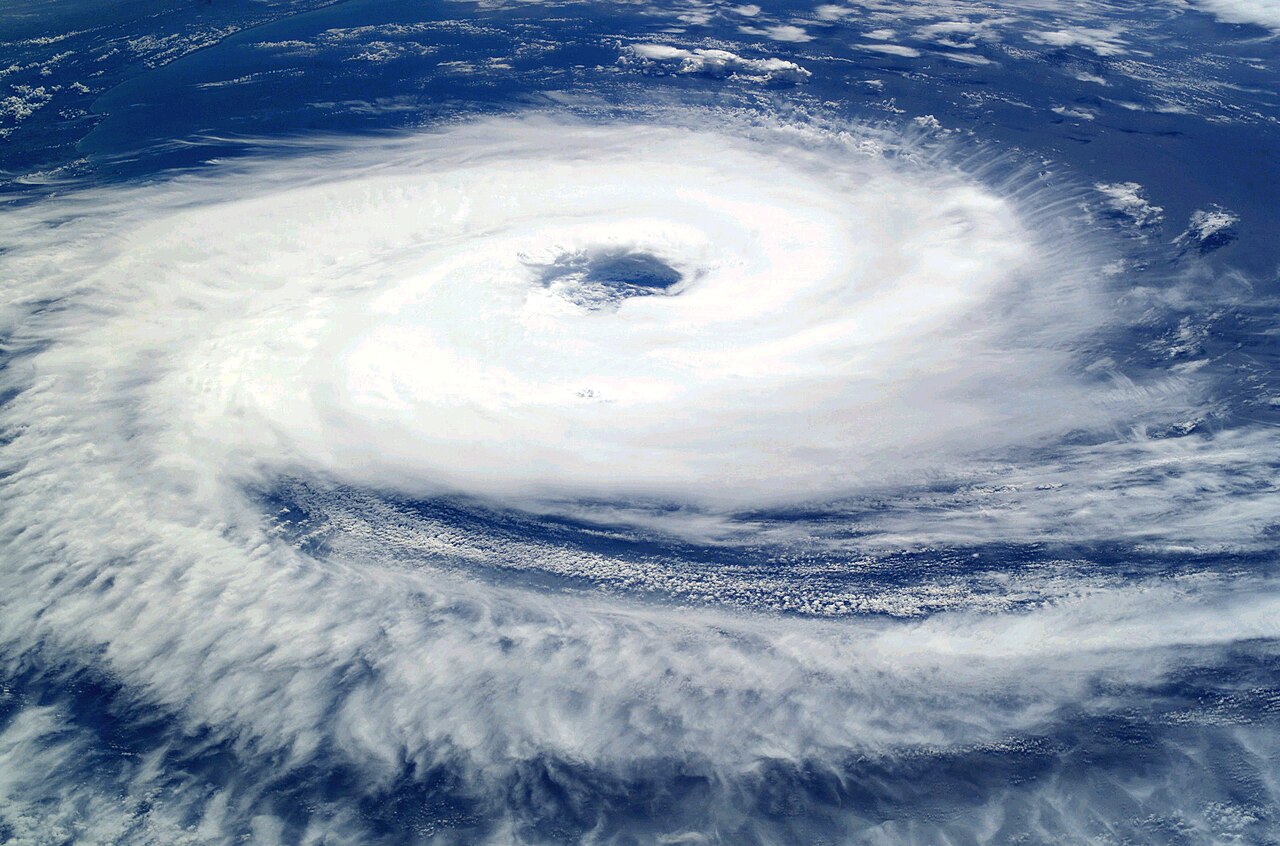


Meteorological history
Diana developed in September during the 1984 Atlantic hurricane season. The storm strengthened quickly and reached maximum sustained winds reported near 136 miles per hour (about 219 km/h), placing it among the season's most intense systems. Environmental factors common to such intensification include warm sea surface temperatures, low vertical wind shear, and a moist mid-level atmosphere. As Diana approached the coast, interactions with shallower shelf waters and changing steering currents caused fluctuations in intensity and a revision of predicted landfall locations.
Preparations and warnings
Local and state authorities issued watches and warnings as the storm neared the coastline. Evacuation advisories, school and business closures, and preparations such as sandbagging in low-lying areas were put in place in vulnerable communities. Forecast uncertainty—stemming from Diana's relatively rapid changes—led to several adjustments in advisory areas and timing, highlighting challenges forecasters faced with mid-1980s observational and modeling capabilities.
Landfall and impacts
Diana made landfall along the southeast coast of North Carolina. At landfall, sustained winds were estimated in a lower range compared with peak intensity while offshore, and the storm produced coastal flooding, storm surge, damaging winds, and localized heavy rainfall. Direct fatalities attributable to the hurricane itself were not widely reported, though three deaths were associated with the event in various ways. Economic losses were moderate when compared with larger historical storms, with damage estimated at roughly $65 million. The storm caused power outages, downed trees, and localized structural damage, and affected barrier islands and coastal resorts through erosion and overwash.
Aftermath and response
Following the storm, emergency management and utility crews worked to restore services and clear debris. Local governments conducted damage assessments and prioritized repairs to critical infrastructure. The storm prompted reviews of evacuation procedures and communication between forecast offices and emergency managers to improve future responses when intensity and track forecasts are uncertain.
Legacy and significance
Diana was notable as the first major hurricane to strike eastern North Carolina in nearly three decades, drawing attention to the vulnerability of that coast and to the need for improved forecasting tools. The storm's behavior contributed to efforts to enhance observational networks, refine intensity and track guidance, and better communicate forecast uncertainty to the public. Researchers and emergency planners have used Diana as a case study for storm surge impacts, coastal erosion, and the importance of timely warnings.
Further reading and resources
- Tropical cyclone basics — vocabulary, classification, and general behavior of tropical systems.
- U.S. coastal impacts — summaries of coastal hazards associated with landfalling hurricanes.
- Unusual storm behavior — discussion of rapid intensification and forecasting challenges.
- September events — context for seasonal activity in the Atlantic basin.
- 1984 season — seasonal summary and comparisons to other years.
- Peak wind — information on reporting and measuring maximum sustained winds.
- Metric conversion — conversions between miles per hour and kilometres per hour.
- Landfall area — regional descriptions for southeast North Carolina and its coastal geography.
- Historical comparison — context comparing Diana with earlier major storms in the region.
- Damage estimate — economic assessment and typical post-storm accounting methods.
For authoritative archival reports, operational storm summaries and post-storm assessments can provide additional technical details on track, intensity, and impacts. These records are useful for researchers, planners and the public seeking to understand the storm's evolution and lessons for future coastal hazard preparedness.
Related articles
Author
AlegsaOnline.com Hurricane Diana (1984): Category 4 storm that struck North Carolina Leandro Alegsa
URL: https://en.alegsaonline.com/art/45857