
1984 Atlantic Hurricane Season: overview, storms, and impacts
Summary of the 1984 Atlantic hurricane season, its timeline, storm statistics, notable systems such as Hurricane Diana and Hurricane Lili, and the season's impacts and distinctions.
Overview
The 1984 Atlantic hurricane season officially ran from June 1 through November 30. These dates mark the conventional bounds for Atlantic tropical cyclone activity, although storms may form outside them. In 1984 the season was relatively active in terms of system counts but mostly produced short-lived or weak tropical cyclones. The operational opening and closing bulletins for the season were issued on 1984.
Image gallery
10 Images



Season characteristics and statistics
Across the basin, the 1984 season produced a larger number of depressions and tropical storms than some surrounding years, yet only a small fraction intensified into strong hurricanes. The basic tally for the season included:
- 17 tropical depressions, of which 13 strengthened to at least tropical storm strength;
- 5 systems reached hurricane intensity;
- 1 hurricane intensified to major-hurricane strength (Category 3 or higher on the Saffir–Simpson scale).
Many systems remained over open water and caused little structural damage, which is why the season is often described as active but not particularly destructive overall.
Notable storms
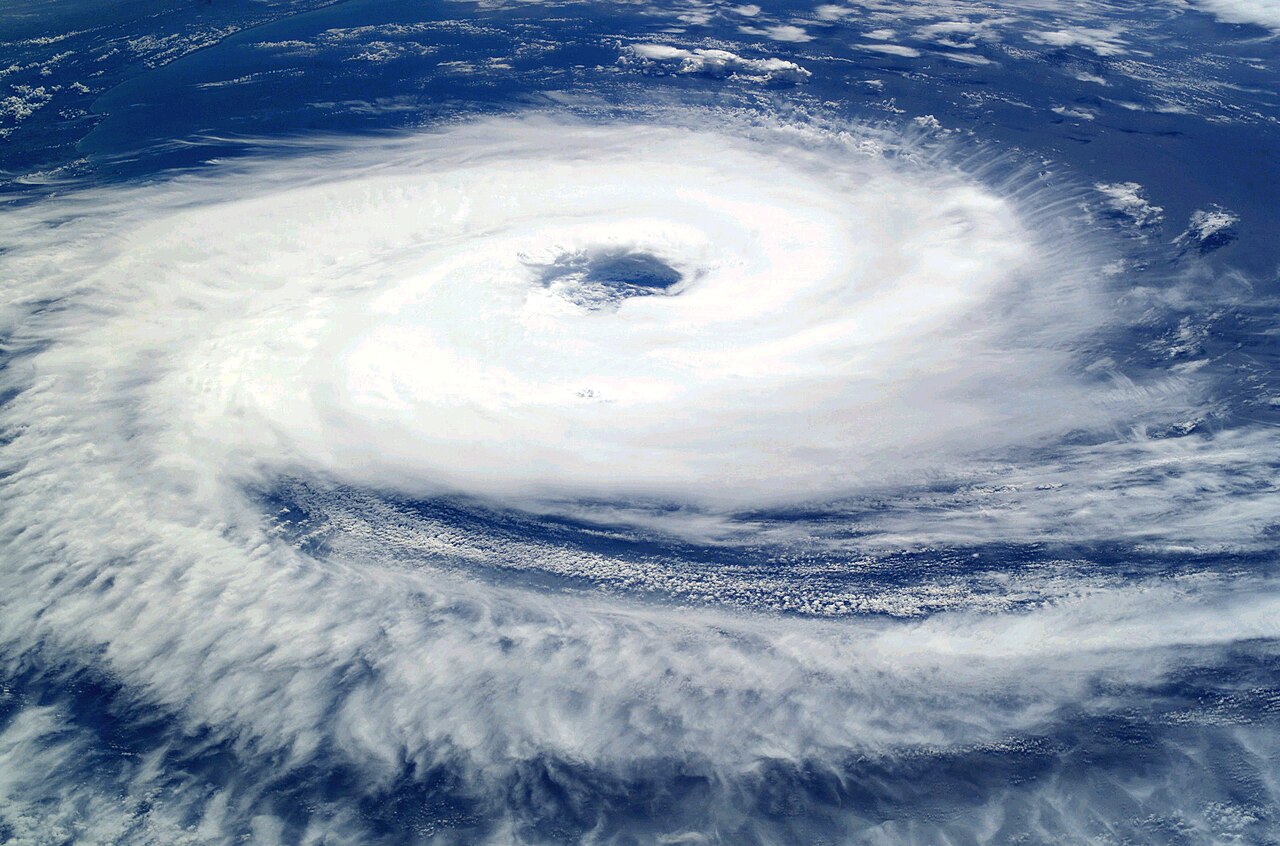
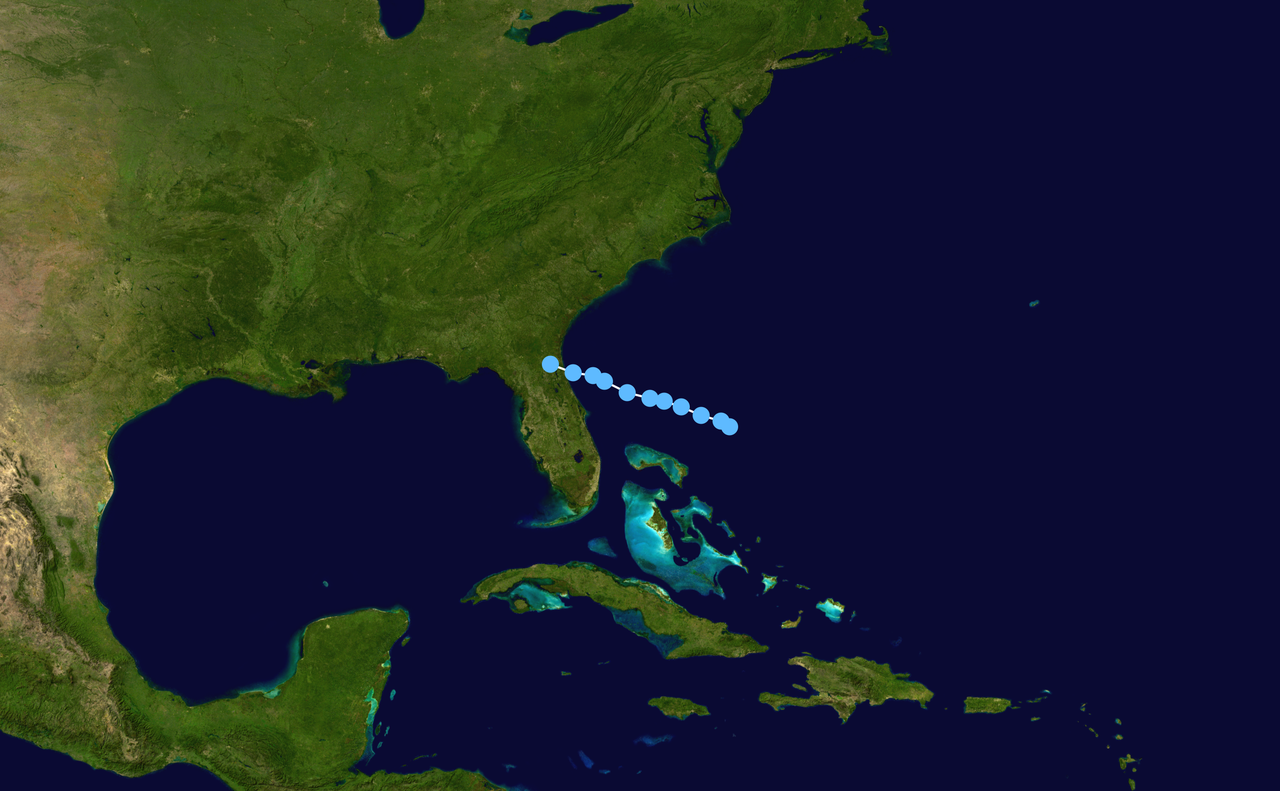
Only a few storms stood out because of their intensity or impacts. Hurricane Diana was the most damaging and the principal land-affecting hurricane of the year; it produced significant wind and flood effects where it moved onshore and is commonly cited as the season's worst-impacting cyclone. For a contemporary operational summary see Hurricane Diana.
An unusual late-season system was Hurricane Lili, which developed well after the official end date. Lili formed on December 12 and persisted until December 24, demonstrating that tropical cyclones can and do occasionally occur in December. Such off‑season formations are noteworthy for forecasting and historical records.
Impacts and importance
Although the majority of 1984 storms were not catastrophic, the season still had economic and human consequences where storms made landfall or produced heavy rains and surf. The contrast between a high count of systems and limited overall damage underscores the influence of storm tracks, size, and intensity on impacts: a single landfalling hurricane can cause more destruction than several open-ocean storms combined.
Distinctions and historical context
From a historical perspective, 1984 is remembered for its high number of early-stage systems and for isolated noteworthy events—principally Diana's land impacts and Lili's December persistence. The season illustrates how basin-wide metrics (number of depressions, storms, or hurricanes) do not always align with societal impact, which depends heavily on storm trajectories and intensity at landfall.
For further reading and technical reports from the time, consult archived advisories and season summaries produced by national meteorological agencies and hurricane centers: Season start, annual summaries, and selected storm reports such as Diana and Lili are useful entry points.
Related articles
Author
AlegsaOnline.com 1984 Atlantic Hurricane Season: overview, storms, and impacts Leandro Alegsa
URL: https://en.alegsaonline.com/art/112188