
Kilometres per hour (km/h): definition, use, and conversions
Kilometres per hour (km/h) is a common unit for speed and everyday motion. This article explains its definition, notation, conversions, typical uses, history and distinctions from related units.
Kilometres per hour is a unit used to express how far an object travels over time, typically applied to vehicles, wind, and human movement. The usual symbol is km/h or km·h−1. As a simple operational definition, an object moving at 1 km/h covers one kilometre in one hour. The term unit appears in many measurement systems and is convenient for everyday distances and speeds.
Image gallery
3 Images

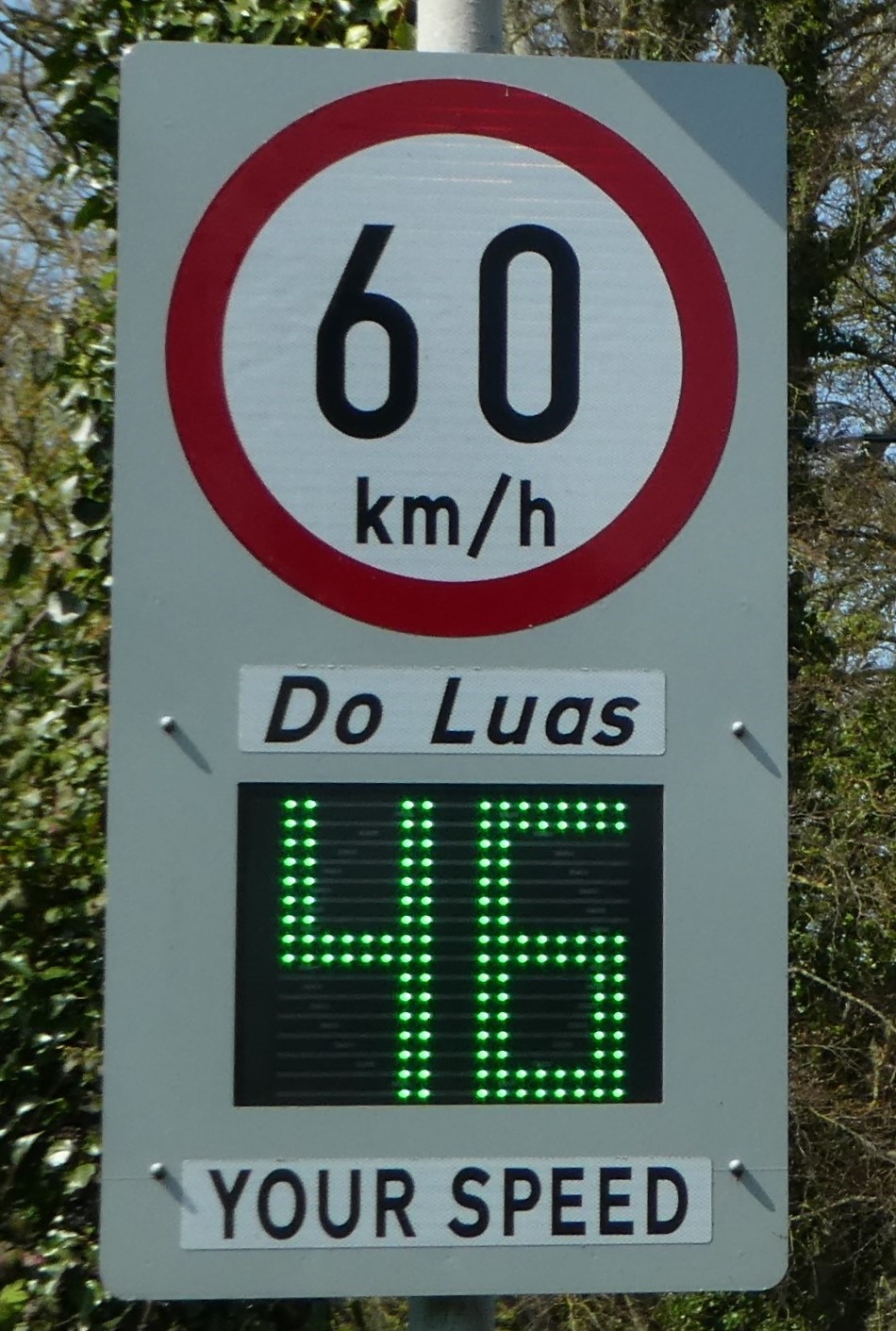
Definition and notation
The quantity combines a length (kilometre) and a time interval (hour). It is closely related to the physical concepts of speed and velocity, the latter emphasizing direction as well as magnitude. In formal contexts the unit may be written km·h−1 to show it equals kilometres multiplied by the reciprocal of hours.
Conversions and numeric relations
Although the SI base unit of speed is metres per second, km/h is widely used because it matches common road distances. The exact conversion factor is 1 km/h = 1000 metres / 3600 seconds = 1/3.6 m/s. Common conversions and examples include:
- 1 km/h = 0.277777... m/s
- To convert m/s to km/h, multiply by 3.6
- Typical walking speeds are a few km/h; urban driving speeds are often tens of km/h
History and practical use
Use of the kilometre and the hour together grew with highway systems and modern transport because they produce round, easy-to-interpret numbers for signage and schedules. Road signs, speedometers, weather reports and many technical specifications around the world use km/h; a few countries continue to use miles per hour for everyday road speeds.
Applications and notable distinctions
Km/h is the default unit in most national regulations for speed limits and vehicle instrumentation. It is also common in meteorology for wind speeds and in sports. When scientific precision or dimensional analysis is required, metres per second or other SI-compatible units are preferred. The phrase definition often appears in standards and legal texts, while the time component is conceptually tied to an hour and the distance component to a kilometre.
Because of its familiarity, km/h remains the most practical everyday unit for reporting and regulating transportation speeds worldwide.
Related articles
Author
AlegsaOnline.com Kilometres per hour (km/h): definition, use, and conversions Leandro Alegsa
URL: https://en.alegsaonline.com/art/53432