
Hesperornis: a toothed, flightless marine bird of the Late Cretaceous
Hesperornis is an extinct genus of large, flightless, toothed aquatic birds from the Upper Cretaceous. Noted for its diving adaptations and historical importance to avian paleontology.
Overview
Hesperornis was an extinct group of aquatic birds that lived during the Upper Cretaceous. These animals combined a seabird lifestyle with primitive traits such as teeth, and are known primarily from marine deposits. They are often reconstructed as large, specialized divers that spent most of their lives in open water.
Image gallery
10 Images




Anatomy and adaptations
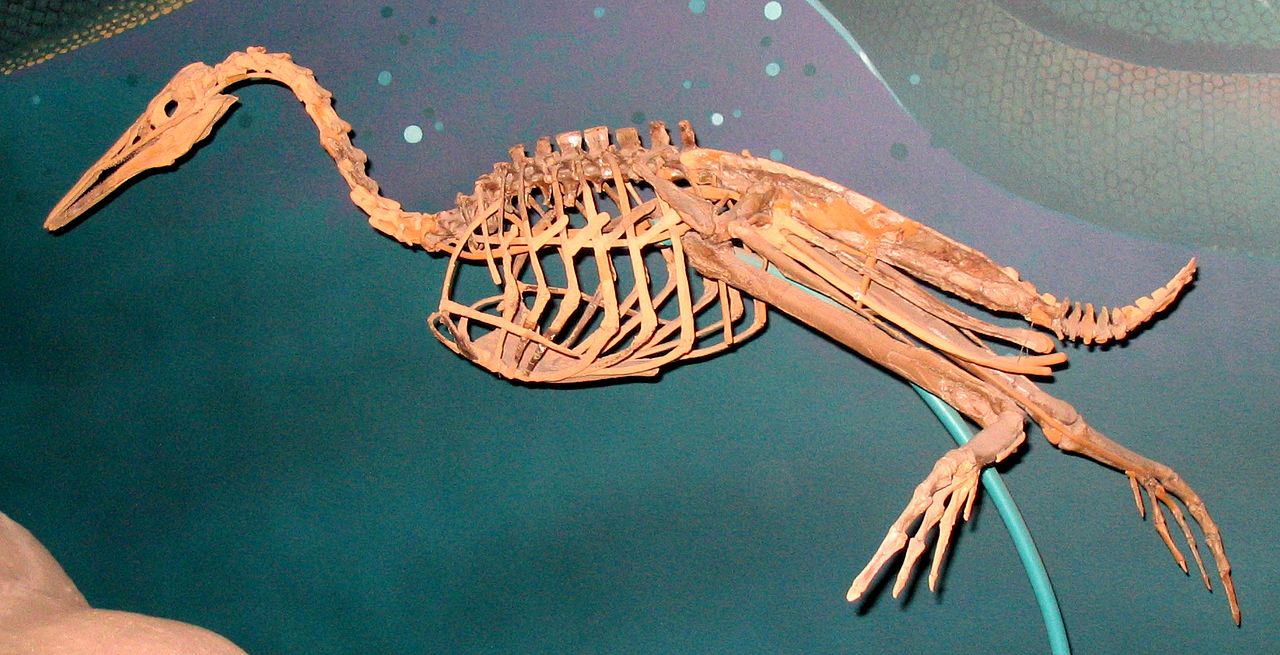
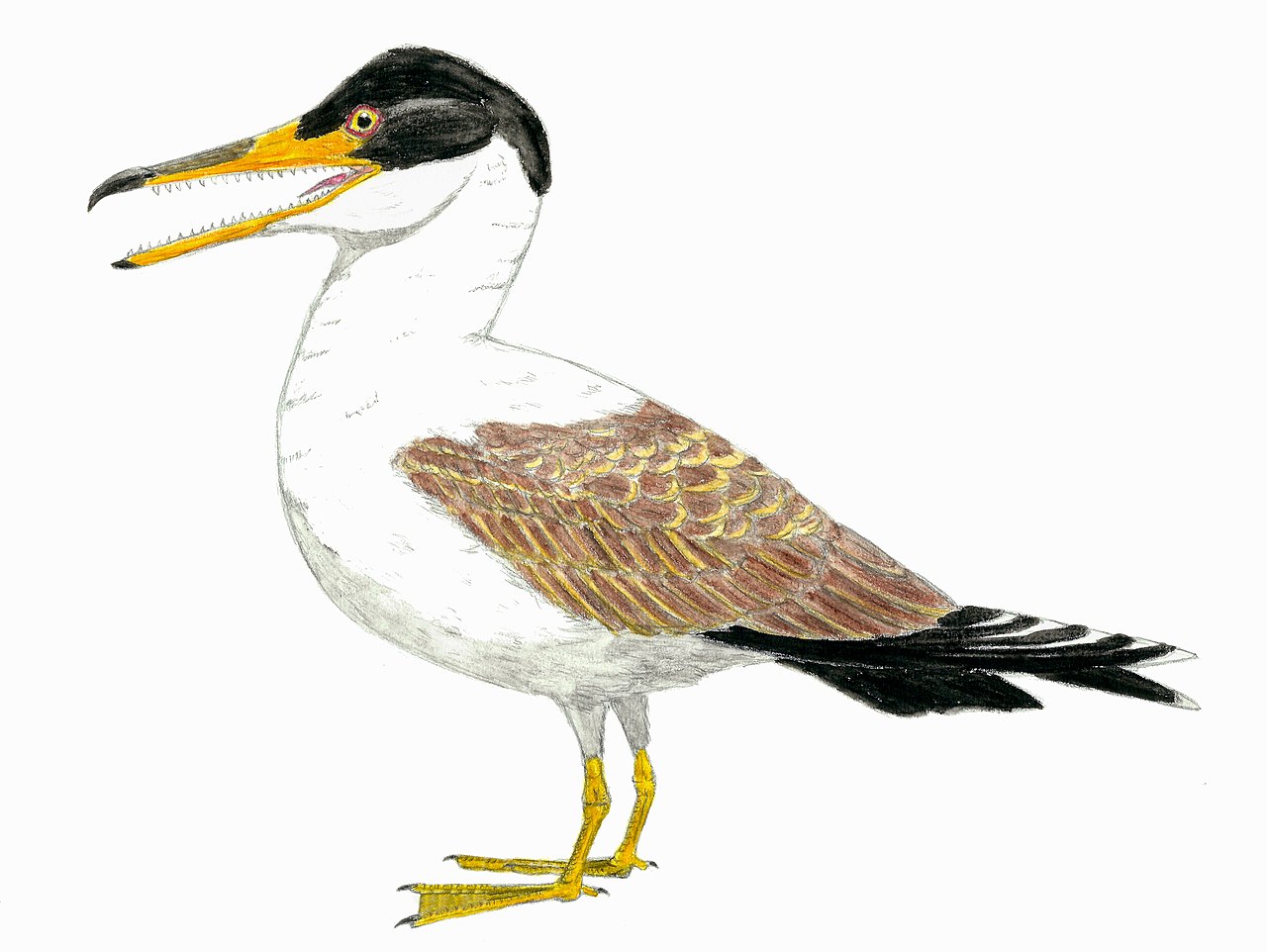
Fossils show that Hesperornis had reduced wings and powerful hind limbs, adaptations for propulsion and steering underwater rather than for flight. The jaws bore teeth, a feature lost in modern birds, and the body shape suggests a long neck and a streamlined torso. Limb proportions and bone structure indicate strong swimming capability, likely using the feet to paddle as in modern loons or grebes.
Key characteristics:
- Flightlessness with reduced wings and robust hind limbs
- Teeth along the jaws, a primitive condition among Mesozoic birds
- Streamlined body suited to diving and pursuing fish
Discovery and historical importance
Hesperornis was among the notable finds of 19th‑century vertebrate paleontology. Its remains were described by O. C. Marsh during the competitive period known as the Bone Wars. The genus provided early, tangible evidence that birds in deep time could retain teeth and could evolve specialized, non‑flying lifestyles—facts that shaped contemporary debates about bird evolution and classification in avian paleontology.
Fossil record and distribution
Most specimens come from marine sediments, demonstrating Hesperornis lived in coastal and shallow sea environments. Important occurrences include fossils found in the marine limestones and chalks of Kansas as well as marine shales from Canada. Because similar remains have been reported across northern continents, the genus probably had a broad northern, or Holarctic, distribution. These sites preserve Hesperornis alongside other marine reptiles and fishes, indicating it was part of productive Cretaceous seaways (marine settings).
Significance and distinctions
Hesperornis is frequently contrasted with contemporary toothed birds that could fly; together they show a range of ecological roles for birds before the end‑Cretaceous extinction. The genus remains a key example of convergent aquatic adaptation in birds and is frequently cited in discussions of how modern avian traits evolved from more primitive conditions.
Questions and answers
Q: What is Hesperornis?
A: Hesperornis is an extinct genus of flightless aquatic birds.
Q: When did Hesperornis live?
A: Hesperornis lived during the Upper Cretaceous, around 89-65 million years ago.
Q: Who discovered Hesperornis?
A: Hesperornis was discovered by the paleontologist O.C. Marsh.
Q: What is the Bone Wars?
A: The Bone Wars was a period in the late 19th century when rival paleontologists competed fiercely for the discovery of new fossils.
Q: What are some famous locations where Hesperornis fossils have been found?
A: Famous locations for Hesperornis fossils are the Upper Cretaceous marine limestones from Kansas and the marine shales from Canada.
Q: Was Hesperornis distributed around the world?
A: Yes, it is believed that Hesperornis probably had a Holarctic distribution.
Q: Why was Hesperornis an important find in the history of avian paleontology?
A: Hesperornis was an important early find in the history of avian paleontology, as it was one of the first examples of an aquatic bird and helped to expand knowledge of bird evolution.
Related articles
Author
AlegsaOnline.com Hesperornis: a toothed, flightless marine bird of the Late Cretaceous Leandro Alegsa
URL: https://en.alegsaonline.com/art/43938
Sources
- sora.unm.edu : sora.unm.edu/sites/default/files/journals/condor/v054n02/p0073-p0088.pdf
- dx.doi.org : 10.1111/j.1475-4983.2005.00507.x
- pubs.nrc-cnrc.gc.ca : HTML abstract
- dx.doi.org : 10.1006/cres.1997.0102