
Heterodontosauridae: the different‑toothed early ornithischians
Small, early ornithischian dinosaurs known for mixed tooth types and tusk‑like canines. Lived from the Late Triassic through the Early Cretaceous, with debates over their exact relationships.
Overview
Heterodontosauridae is a family of small, early ornithischian ornithischian dinosaurs characterized by an unusual variety of tooth shapes in a single jaw. The name means "different‑toothed lizards" and highlights their most distinctive feature: the coexistence of sharp, often caniniform teeth and blunter, grinding cheek teeth. These animals are important for understanding the early diversification of herbivorous dinosaurs.
Image gallery
10 Images


Anatomy and distinctive traits
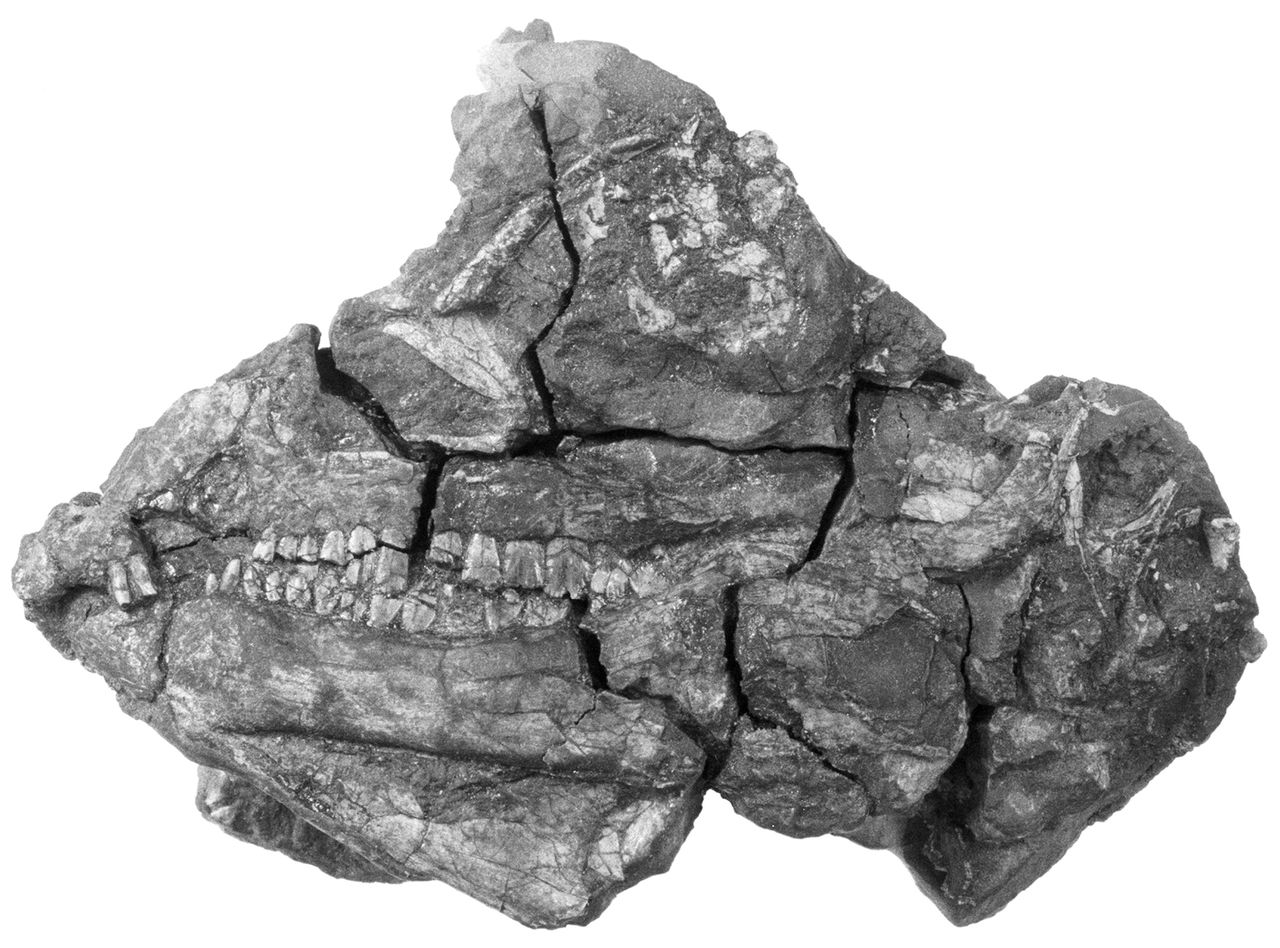
Members of this family were typically small, lightly built and probably bipedal. Key features include a horny beak at the front of the jaws, enlarged tusk‑like teeth in some individuals, and cheek teeth arranged for processing plant material. Their dental heterodonty suggests a mixed feeding strategy. Some genera, notably Tianyulong, preserve filamentous integumentary structures, indicating that simple protofeathers or filaments may have been present in at least some heterodontosaurs.
Classification and relationships
Historically heterodontosaurs were treated as basal members of the ornithopod lineage, sometimes labeled as basal ornithopods. More recent analyses, however, have proposed alternative placements, including a closer affinity to the marginocephalian group, which contains pachycephalosaurs and ceratopsians; this possible relation is discussed in several modern studies and is reflected by the suggestion of ties to marginocephalians. Because their fossils are comparatively rare and often fragmentary, their exact position in ornithischian evolution remains an active topic of research.
Fossil record and distribution
Heterodontosaur fossils have been recovered from several continents and appear in rocks ranging from the Upper Triassic through to the Lower Cretaceous, though occurrences are sporadic. Classic early finds come from southern Africa (genera such as Heterodontosaurus, Lycorhinus and Abrictosaurus), while later discoveries like Tianyulong extend their record into East Asia. The record suggests an origin in the Triassic with intermittent survival and dispersal into later periods.
Ecology and significance
Dietary interpretations vary: the combination of slicing teeth and grinding cheek teeth allows plausible omnivory or selective herbivory, while tusks may have been used for cropping vegetation, display or intraspecific combat. Their small size and tooth specializations make heterodontosaurs useful for studying early adaptations to herbivory among dinosaurs. The presence of filamentous structures in some fossil specimens has broader implications for the evolution of integument across ornithischian lineages.
Notable genera and facts
- Heterodontosaurus — a well‑known Early Jurassic form from South Africa.
- Tianyulong — Early Cretaceous Asian genus with filamentous coverings.
- Lycorhinus, Abrictosaurus, Pegomastax — additional genera that illustrate dental and size diversity within the family.
Questions and answers
Q: What is a Heterodontosaur?
A: A Heterodontosaur is a type of early ornithischian dinosaur.
Q: What is the meaning of the name Heterodontosauridae?
A: The name Heterodontosauridae means "different-toothed lizards".
Q: What have Heterodontosaurs often been considered as?
A: Heterodontosaurs have often been considered as basal ornithopods.
Q: What do recent studies suggest about the relationship of Heterodontosaurs with other dinosaurs?
A: Recent studies suggest that Heterodontosaurs may have been more closely related to marginocephalians.
Q: When did Heterodontosaurs live and where?
A: Heterodontosaurs lived around the globe beginning in the Upper Triassic and may have persisted into the Lower Cretaceous.
Q: Are fossils of Heterodontosaurs common?
A: No, fossils of Heterodontosaurs are rare.
Q: How long did Heterodontosaurs last as a species?
A: The exact length of time that Heterodontosaurs persisted as a species is unknown, but they may have lasted until the Lower Cretaceous.
Related articles
Author
AlegsaOnline.com Heterodontosauridae: the different‑toothed early ornithischians Leandro Alegsa
URL: https://en.alegsaonline.com/art/43953
Sources
- doi.org : 10.1080/02724634.1999.10011181
- ncbi.nlm.nih.gov : "A basal ceratopsian with transitional features from the Late Jurassic of northwestern China"
- doi.org : 10.1098/rspb.2006.3566
- pubmed.ncbi.nlm.nih.gov : 16901832
- doi.org : 10.1111/j.1096-3642.2005.00182.x
- ncbi.nlm.nih.gov : "A primitive ornithischian dinosaur from the Late Triassic of South Africa, and the early evolution and diversification of Ornithischia"
- doi.org : 10.1098/rspb.2007.0367
- pubmed.ncbi.nlm.nih.gov : 17567562
- doi.org : 10.1017/S1477201907002271