
Himalayan goral (Naemorhedus goral)
A compact, goat-like mammal of the Himalayan region; the Himalayan goral is a member of the Caprinae subfamily, adapted to steep rocky slopes and facing habitat pressures across its range.
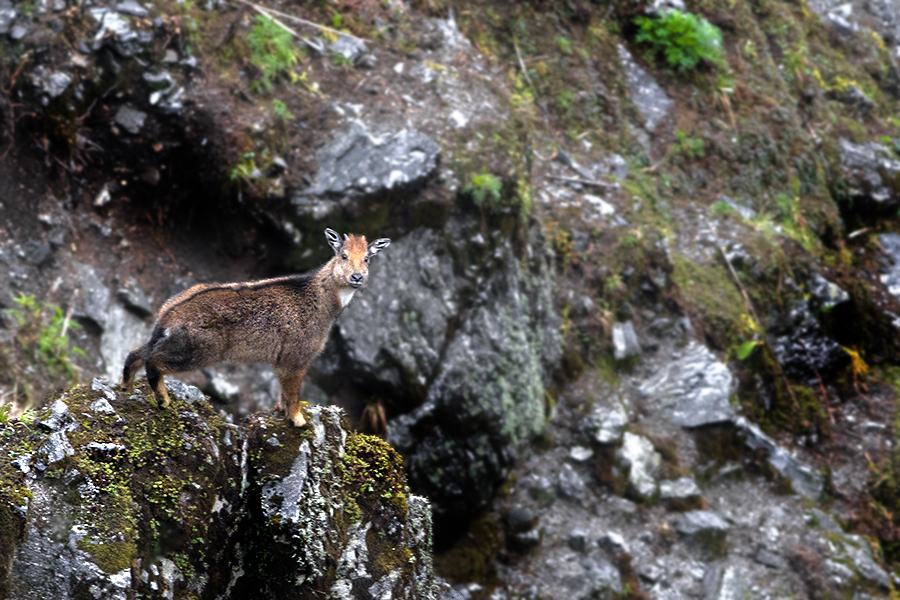
The Himalayan goral (Naemorhedus goral), also called the gray goral, is a small wild caprine found in the mountains of South and East Asia. It belongs to the subfamily Caprinae, the group that includes goats and sheep, and is a cloven-hoofed ruminant adapted to rocky, forested slopes. Earlier taxonomies sometimes used the synonym Urotragus goral for this species.
Image gallery
6 Images



Characteristics
This species is compact and muscular, with a rough, dense coat that ranges from grayish to brown, often lighter on the underparts. Both males and females usually bear short, cylindrical horns that curve slightly backward. The body shape and hoof structure provide sure-footedness on steep, uneven ground. Coat thickness and coloration vary with altitude and season.
Gorals are nimble and tend to move along cliffs and ledges rather than across open ground. They are generally smaller and less robust than true wild goats and differ from similar ungulates such as serows and chamois in proportions, coat texture, and horn form.
Habitat, behavior and diet
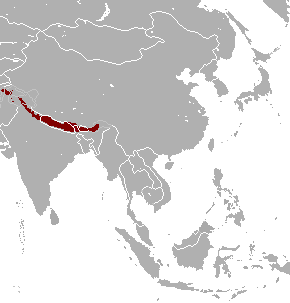
Himalayan gorals inhabit rocky slopes, cliffs and adjacent forested areas, often at mid to high elevations in the Himalaya and neighboring ranges. They are typically solitary or occur in small family groups. Activity peaks at dawn and dusk, when they browse on grasses, leaves, shoots and other available vegetation, using steep terrain for refuge from predators.
Reproduction is seasonal in many parts of the range; females usually give birth to a single kid after a gestation period typical of small caprines. Young are concealed on ledges and hidden by their mother until they can follow the group and negotiate rugged terrain.
Conservation and notable facts
Populations face pressures from habitat loss, fragmentation and hunting for meat or traditional uses. Conservation responses include legal protection, anti-poaching enforcement, and habitat preservation within protected areas. Distinguishing the Himalayan goral from related species requires attention to horn shape, pelage and geographic location; multiple goral species occur across Asia and have been the subject of taxonomic review.
- Threats: habitat degradation, hunting, human disturbance.
- Conservation measures: protected areas, monitoring and law enforcement.
- Taxonomy: part of the genus Naemorhedus, with historical synonyms and occasional revision.
For further reading on caprine biology and conservation approaches see specialist sources and regional wildlife assessments.
Related articles
Author
AlegsaOnline.com Himalayan goral (Naemorhedus goral) Leandro Alegsa
URL: https://en.alegsaonline.com/art/44252