
Himalayan cat: appearance, origins, care, and breed status
A long‑haired, blue‑eyed color‑point cat developed from Persian and Siamese stock; known for distinctive markings, calm temperament, grooming needs, and mixed breed recognition.
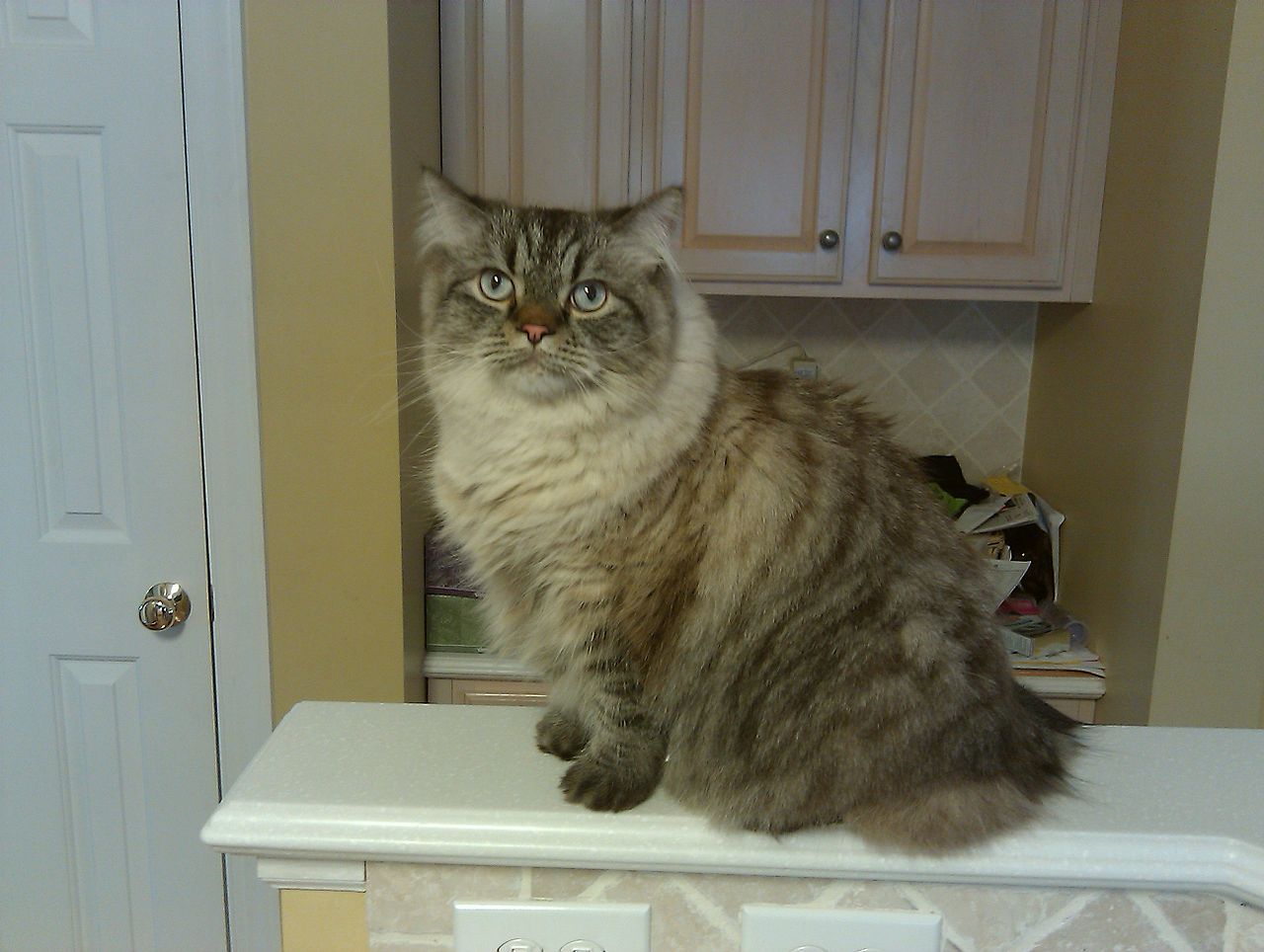
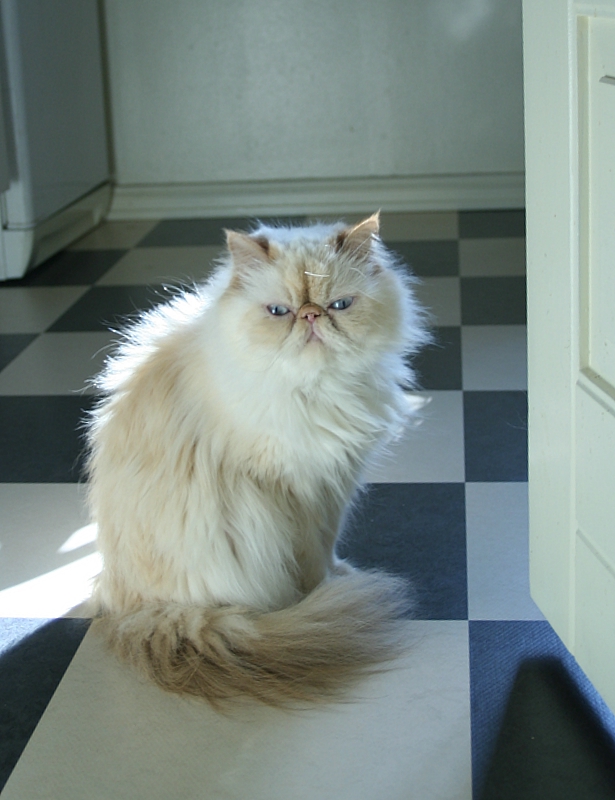
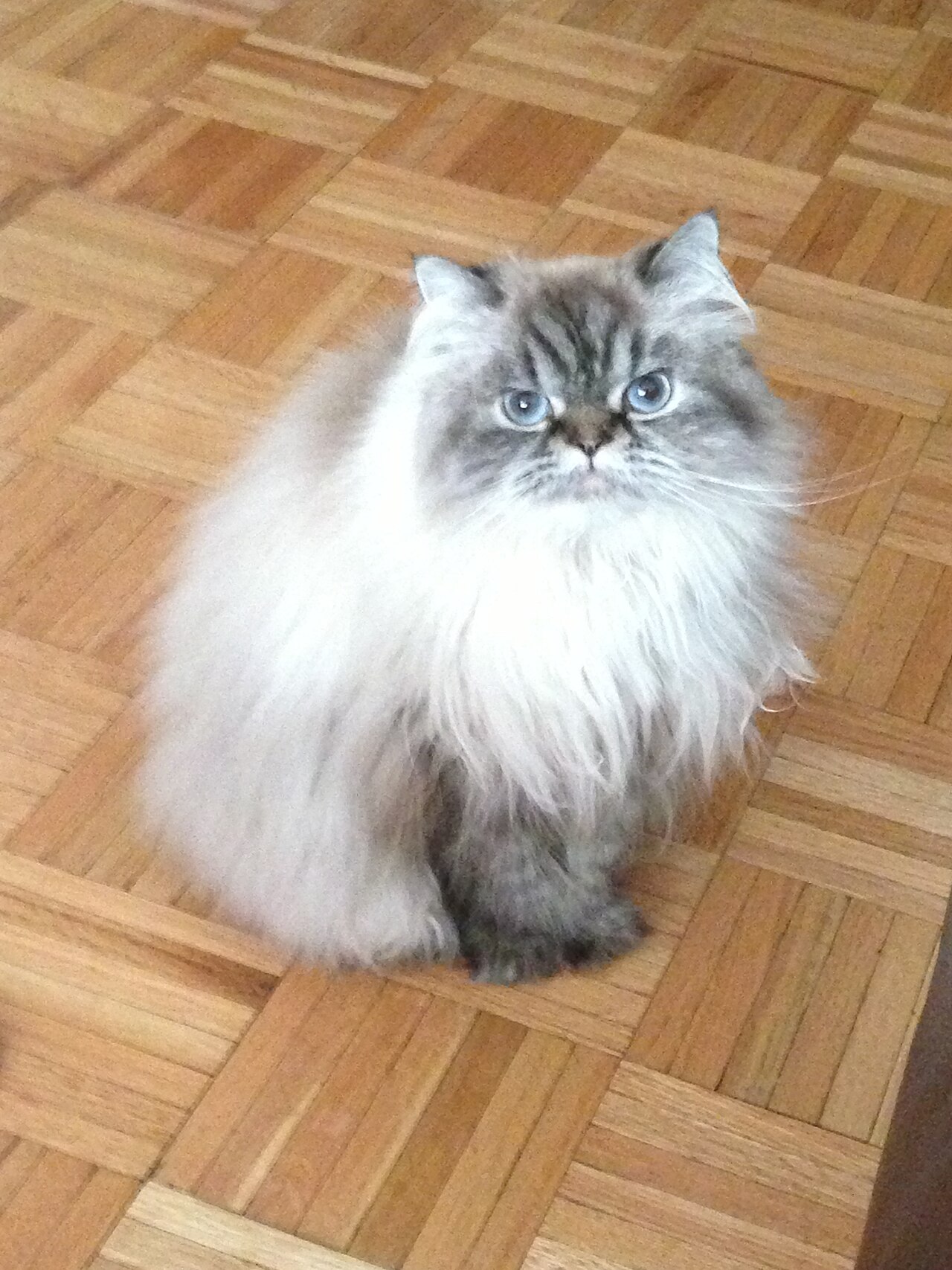
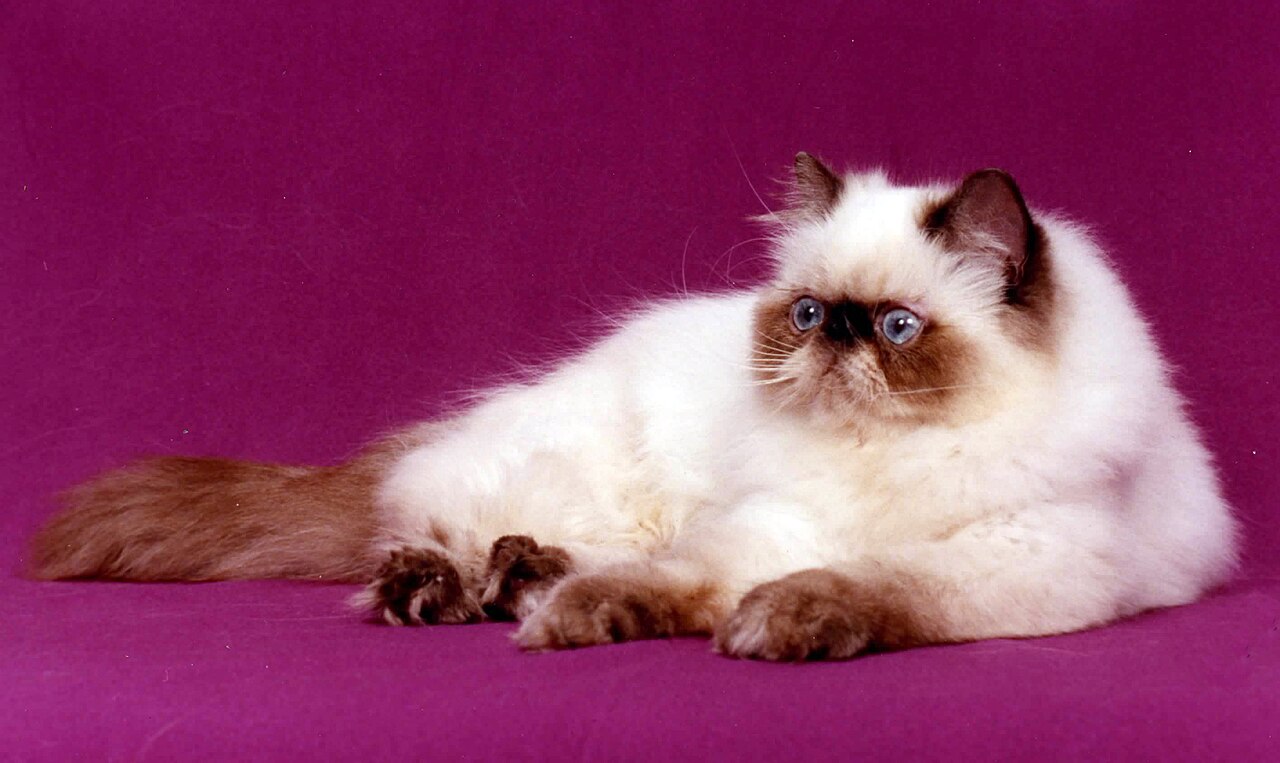
The Himalayan is a domestic cat type distinguished by blue eyes, point coloration, and a long, dense coat. It combines the pointed pattern familiar from Siamese ancestry with the plush, full fur and rounded features associated with Persian lines. The overall effect is a striking, soft‑faced cat with contrasting colored extremities and a generally placid temperament.
Image gallery
10 Images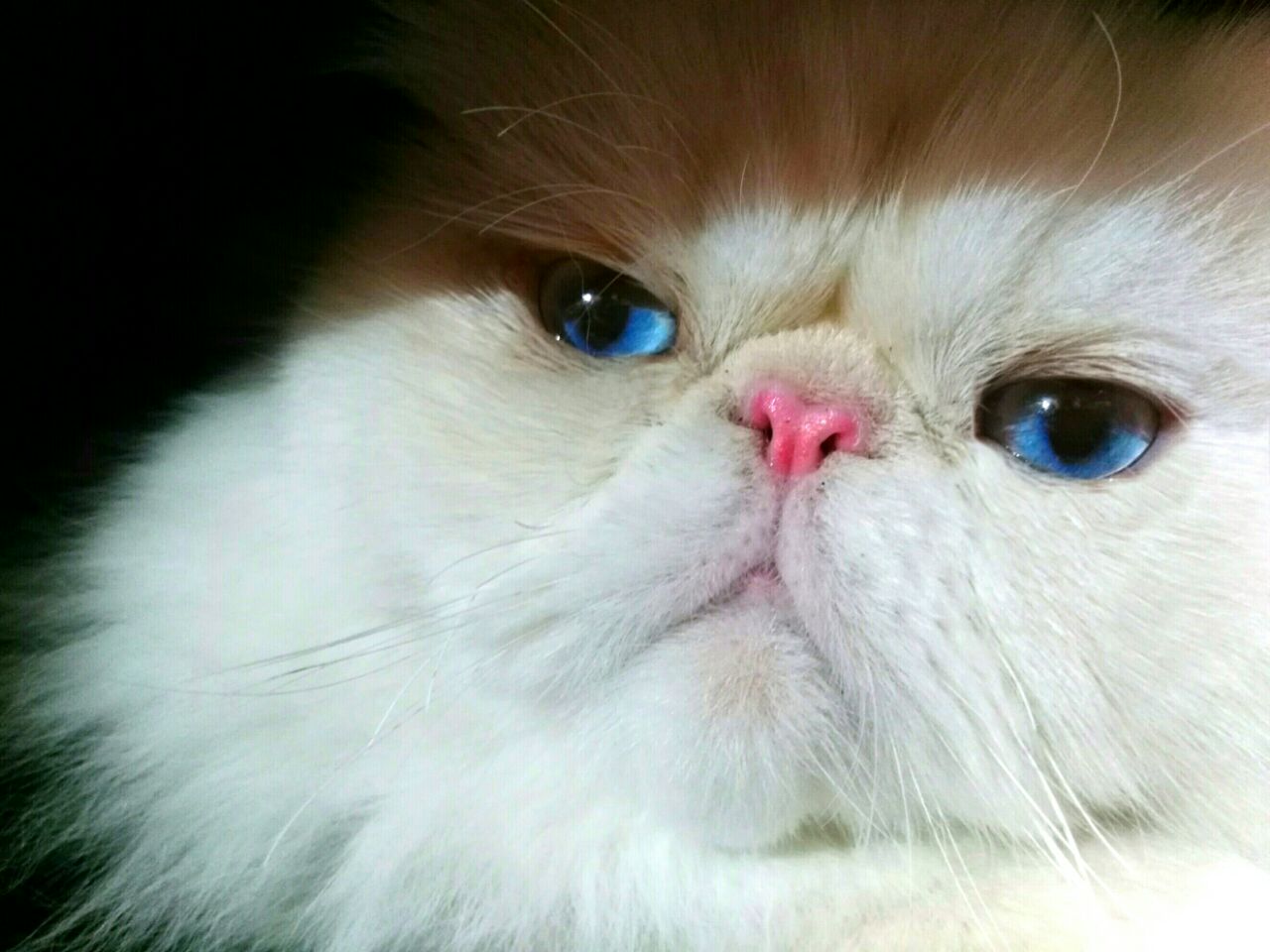



Physical characteristics
Himalayans typically show the classic color‑point pattern: a lighter body color with darker ears, mask, paws and tail. Eye color is usually vivid blue. Their coat is long and thick, requiring regular grooming to prevent mats and tangles; see grooming tasks below. Body type ranges from the cobby, short‑muzzled look inherited from Persians to slightly longer muzzles in some breeding lines. Common point colors include seal, blue, chocolate, lilac and variations such as tortie points.
Origins and development
The Himalayan emerged through deliberate crossbreeding of long‑haired Persian cats with short‑haired color‑point breeds such as the Siamese in the mid‑20th century. Breeders aimed to combine the Persian coat and body with the pointed markings and blue eyes of the Siamese, producing a cat with both visual traits. Over time, efforts by different breeders produced slightly different types and standards; some organizations recognized the Himalayan as a distinct breed, while others treated it as a color variety of the Persian or as a subcategory within Persian types. For more historical background see breed history.
Care, health and temperament
Himalayans are generally calm, affectionate and suited to indoor life. They tend to enjoy human company but are not typically as vocally active as Siamese. Regular grooming—daily brushing, periodic bathing and attention to eye and skin care—helps maintain the coat and reduce hairballs. Like many flat‑faced breeds, they can be prone to tear staining and respiratory sensitivity; they also share some genetic health considerations common to Persians, so responsible breeders often screen for inherited conditions. Practical care tasks include:
- Daily or near‑daily brushing to prevent matting
- Routine dental and veterinary checks
- Monitoring for tear stains and skin irritation
- Environmental enrichment and indoor safety
For specific guidance on coat care, see grooming resources such as long fur care guides. Overall, Himalayans are prized as gentle companion animals and for their distinctive, elegant appearance. Their classification varies by registry: some cat associations list them as a separate breed, while others consider them a color variation of the Persian, a distinction that shapes show standards and breeding practices.
Related articles
Author
AlegsaOnline.com Himalayan cat: appearance, origins, care, and breed status Leandro Alegsa
URL: https://en.alegsaonline.com/art/44251