
Animal trapping: methods, history, uses, and welfare concerns
Overview of animal trapping: devices and methods, reasons for use, animal welfare and regulatory responses, notable trap types, and alternatives to lethal capture.
Overview
Animal trapping is the practice of using a mechanical device to capture wild or free-roaming animals. Traps vary greatly in design and intent: some restrain an animal alive, others kill quickly or slowly, and some are designed to control populations while others supply food, fur or specimens. Trapping occurs in many regions for a mix of reasons including subsistence and commercial harvest, wildlife management, hunting and control of pests. Public discussion of trapping often focuses on both its practical uses and concerns about unintended harm to non-target species and animal welfare.
Image gallery
10 Images


Common types and components
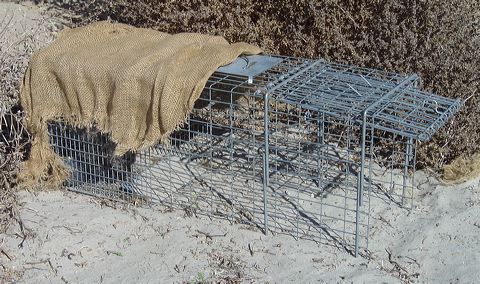
At its simplest a trap is a device that interferes with an animal's movement until a human intervenes. Typical forms include foothold or leghold traps that clamp a limb, body-gripping traps intended to kill on capture, snares that tighten around an animal, and concealed capture methods such as pits or deadfall mechanisms. A deadfall uses a heavy weight balanced to fall into a dug or camouflaged hole deadfall trap, while a snare tightens around an animal at a trigger point. Trapping equipment ranges from simple handmade tools to commercially manufactured gear designed for particular species or habitats trap device.
- Restraint traps — hold the animal alive for later dispatch or relocation.
- Lethal traps — intended to kill quickly or by means that can cause prolonged suffering.
- Snare systems — flexible loops that close around necks or limbs and are widely used for mammals.
- Concealment traps — hidden pits, cages or deadfalls that rely on an animal’s movement to activate.
Purposes and contexts
People trap animals for multiple reasons. In some communities trapping provides food and fur as part of subsistence livelihoods. Trapping is also used in regulated hunting and fur industries, and as a tool in wildlife management to reduce overabundant species or to remove problem individuals. Pest control programs employ traps to protect crops, livestock and property. Conservation and research programs sometimes trap animals to tag, monitor, or relocate them. These uses are shaped by local laws, cultural traditions and economic factors wildlife management, hunting, pest control.
Welfare concerns and unintended captures
Trapping can result in injuries, stress and mortality for both target and non-target animals. Animals may struggle to free themselves, causing wounds, broken bones or self-amputation attempts; they may also suffer from exposure, dehydration or blood loss while confined. Domestic animals and protected species can be caught incidentally, which raises ethical and legal concerns. Time between checks varies by jurisdiction and practice, which affects animal suffering and survival outcomes. Reports and field studies note that many animals experience prolonged distress before a trapper returns.
Legal and regulatory landscape
Regulation of trapping differs widely around the world. Many countries and jurisdictions have adopted limits on specific trap types or standards for trap checking, while others permit a broad range of trapping methods. For example, bans on mechanical leg-hold or steel-jaw traps have been enacted in numerous countries and regional blocs, including parts of Europe and elsewhere EU and nationally in some large states China. The geographic pattern of trapping activity is uneven: commercial and recreational trapping is prominent in parts of North America and Eurasia, with substantial activity reported in regions such as the United States US, Canada Canada and the Russian Federation Russia. Some jurisdictions have enacted more specific reforms; for example, California California introduced broad restrictions on certain trapping activities in recent years.
Species affected and notable examples
Various carnivores and medium-sized mammals are commonly targeted by traps in hunting and fur markets, including coyotes coyotes, foxes foxes and bobcats bobcats, among others. However, traps do not discriminate: birds, deer, household pets and increasingly threatened species are also reported as incidental captures. The presence of domestic animals among bycatch underscores the interface between human habitation and trapping activities.
Alternatives, mitigation and public debate
Responding to welfare and conservation concerns, managers and communities pursue alternatives and mitigations. Non-lethal measures—such as exclusion fencing, deterrents, habitat modification and live-capture devices designed for rapid release—are used where possible. Some regions require trapper education, licensing, mandatory checking intervals and the use of triggering or padding devices to reduce injury. Public attitudes toward trapping influence policy decisions and market demand, and debates balance cultural and economic practices with animal welfare and conservation priorities.
Further reading and resources
This article touches on methods, impacts and controls associated with trapping; readers looking for technical guidance, legal text or conservation information can consult specialized sources and regulatory bodies referenced here: trap equipment overview, animal capture basics, wildlife management, hunting regulations, pest control guidance, coyote management, fox trapping, bobcat issues, U.S. trapping context, Canadian context, Russian context, dehydration effects, hypothermia risks, deadfall methods, EU policies, China policy, California reforms.
Related articles
Author
AlegsaOnline.com Animal trapping: methods, history, uses, and welfare concerns Leandro Alegsa
URL: https://en.alegsaonline.com/art/4278