
Anna's hummingbird: appearance, behavior, range, and relationship with people
Anna's hummingbird (Calypte anna) is a small iridescent hummingbird of western North America, noted for the male's rose-red crown and throat, urban adaptability, year-round residency, and role as a pollinator.
Overview
Anna's hummingbird (Calypte anna) is a small, compact hummingbird about 9–10 centimetres long. It is widely known to birdwatchers and gardeners in western North America for its bold, iridescent coloring in males and its tolerance of cooler, urban environments. Unlike many migratory hummingbirds, Anna's often remains in the same area year-round where sufficient food and shelter are available.
Image gallery
10 Images





Identification and plumage
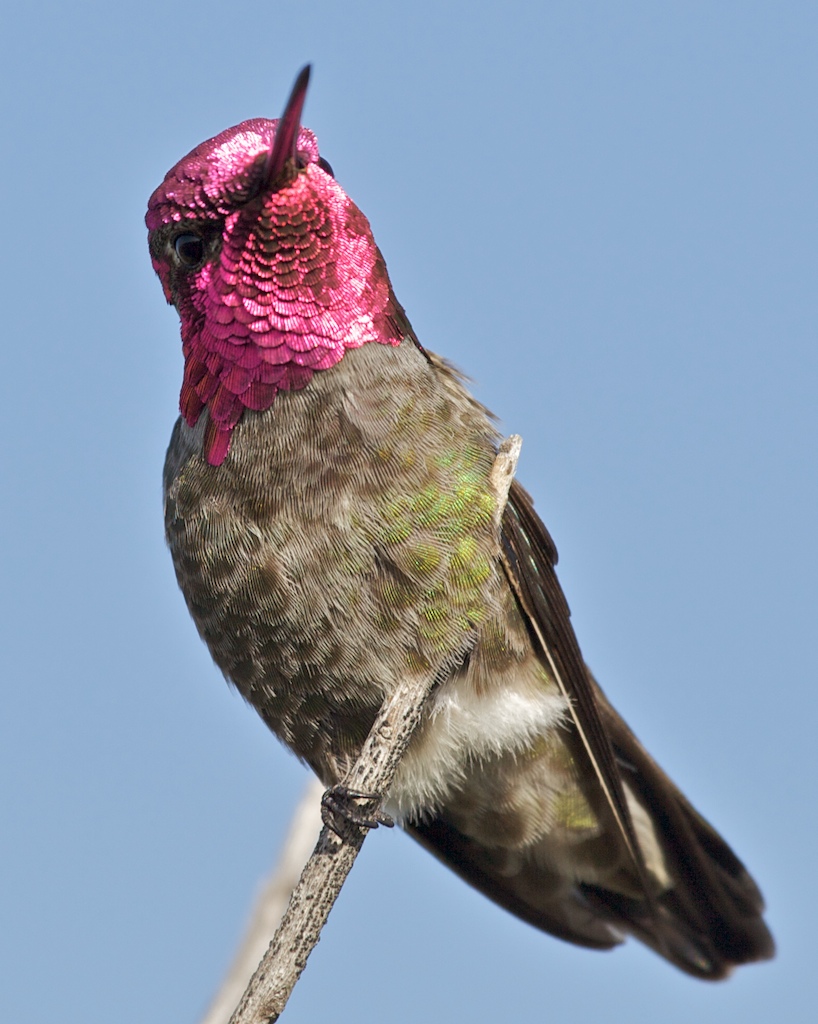
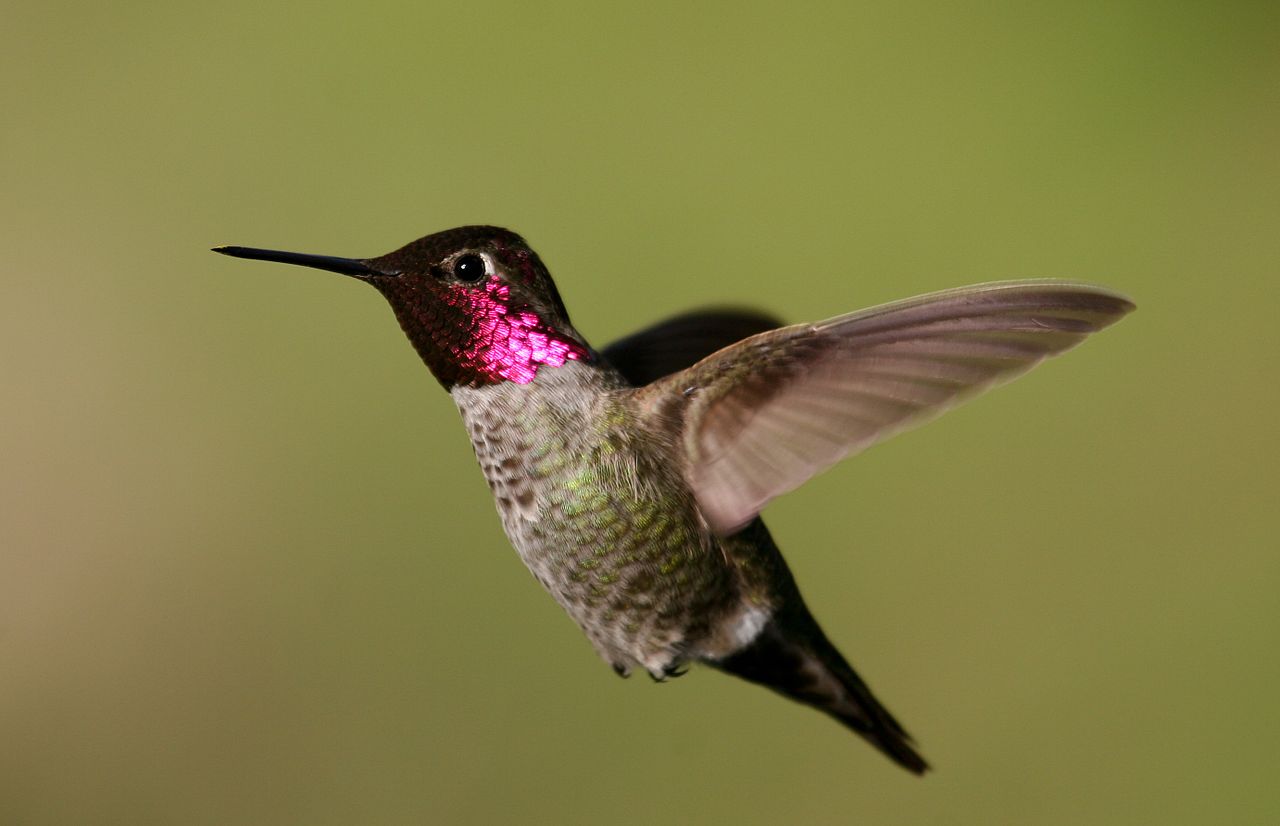
Typical plumage includes a bronze-green back, a pale grey chest and belly, and green flanks. The bill is long, straight and slender, adapted for probing tubular flowers. Adult males display an iridescent, metallic crown and gorget that appear crimson to rose-red depending on light and viewing angle; the adult male's striking head and throat are among its most diagnostic features. Females and juveniles have a greener head, a grey throat often with scattered red markings, and a dark, rounded tail with white tips on the outer feathers. Observers note the species as the only North American hummingbird whose adult male usually has a solid red crown; the shifting hues are caused by microscopic structure in the feathers, often described as iridescent.
Behavior and diet
Anna's hummingbirds feed primarily on floral nectar and obtain protein by catching small arthropods. While hovering at blooms they use a long, specialized tongue and rapid wingbeats to access nectar. They also take small spiders and other tiny invertebrates to meet protein needs, especially during breeding and molt. The species will sometimes exploit tree sap when it is available and can be aggressively territorial around rich nectar sources.
- Nectar from tubular flowers and feeders (serves as main energy source).
- Small spiders and web-building arthropods, often gleaned from foliage or bark; see spider prey.
- Flying insects and small prey captured on the wing; see insect diet.
By visiting flowers, Anna's hummingbirds act as pollinators and contribute to plant reproduction in gardens and wild habitats; their role in flower visitation is discussed further at pollination.
Reproduction and lifecycle
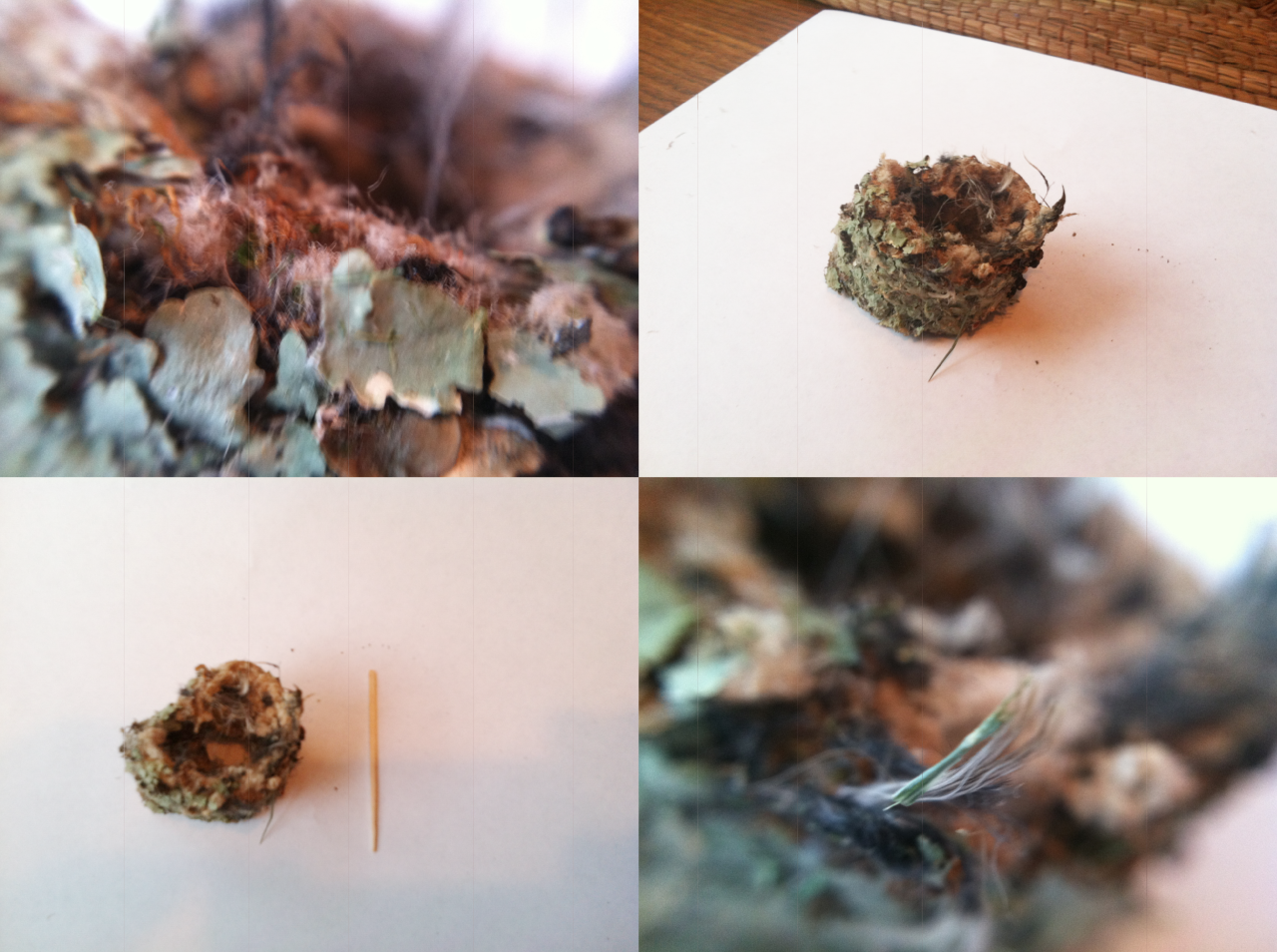
Males perform conspicuous courtship displays, including steep dives and rapid aerial maneuvers that may produce mechanical sounds from wings and tail. After courtship, the female builds a small, cup-shaped nest of soft plant fibers and spider silk, often camouflaged with lichen or bark fragments and sited on a sheltered branch or human-made structure. She alone incubates the clutch, which typically consists of two very small eggs. The female also provides sole care for the nestlings until they fledge.
Vocalizations and displays
Anna's hummingbirds use short calls and a variety of mechanical noises during territorial defence and courtship. Males produce buzzy vocal notes and dramatic display flights that draw attention to the iridescent throat patch; observers often describe both audible chips and wing- or tail-generated sounds as part of the display.
Range, habitat and status
Native to the western coastal regions of North America, Anna's hummingbird historically centred on California but has expanded northward and inland in recent decades, establishing populations in urban and suburban areas where feeders and ornamental flowers provide food year-round. It occupies gardens, parks, scrub, and open woodlands. The species is common and adaptable, benefiting from human-altered landscapes, and is not currently considered threatened. For a general species summary see species overview.
Human interactions and conservation
Anna's hummingbirds are a familiar sight at backyard feeders and in flowering gardens and are popular with citizen scientists and nature enthusiasts. Gardeners who wish to attract them are advised to plant a succession of native, tubular flowers, keep feeders clean, and provide sheltered places for nesting. While they often thrive near people, they face typical urban hazards such as window collisions, domestic cats, and habitat change. Their visibility and pollination services make them ecologically and culturally significant across their range.
For more on feeding behavior and the ecological role of the species, see links to plumage, diet and ecological notes: crown and gorget, spider prey, insect diet, and pollination.
Related articles
Author
AlegsaOnline.com Anna's hummingbird: appearance, behavior, range, and relationship with people Leandro Alegsa
URL: https://en.alegsaonline.com/art/4399