
Coyote (Canis latrans)
A resilient North American canid known for adaptability, vocalizations, and expanding range; important predator and cultural symbol with distinct traits from wolves and foxes.
Overview
The coyote (Canis latrans) is a medium-sized member of the dog family commonly found across North America. Often called the prairie wolf, brush wolf or American jackal, it belongs to the broader canid group. The English name "coyote" derives from the Náhuatl word cóyotl, reflecting its recognition by Indigenous peoples long before European contact.
Image gallery
10 Images






Physical characteristics
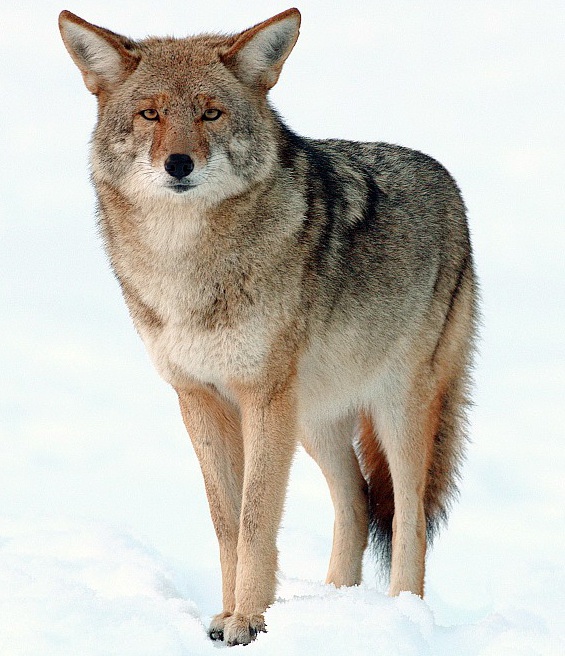
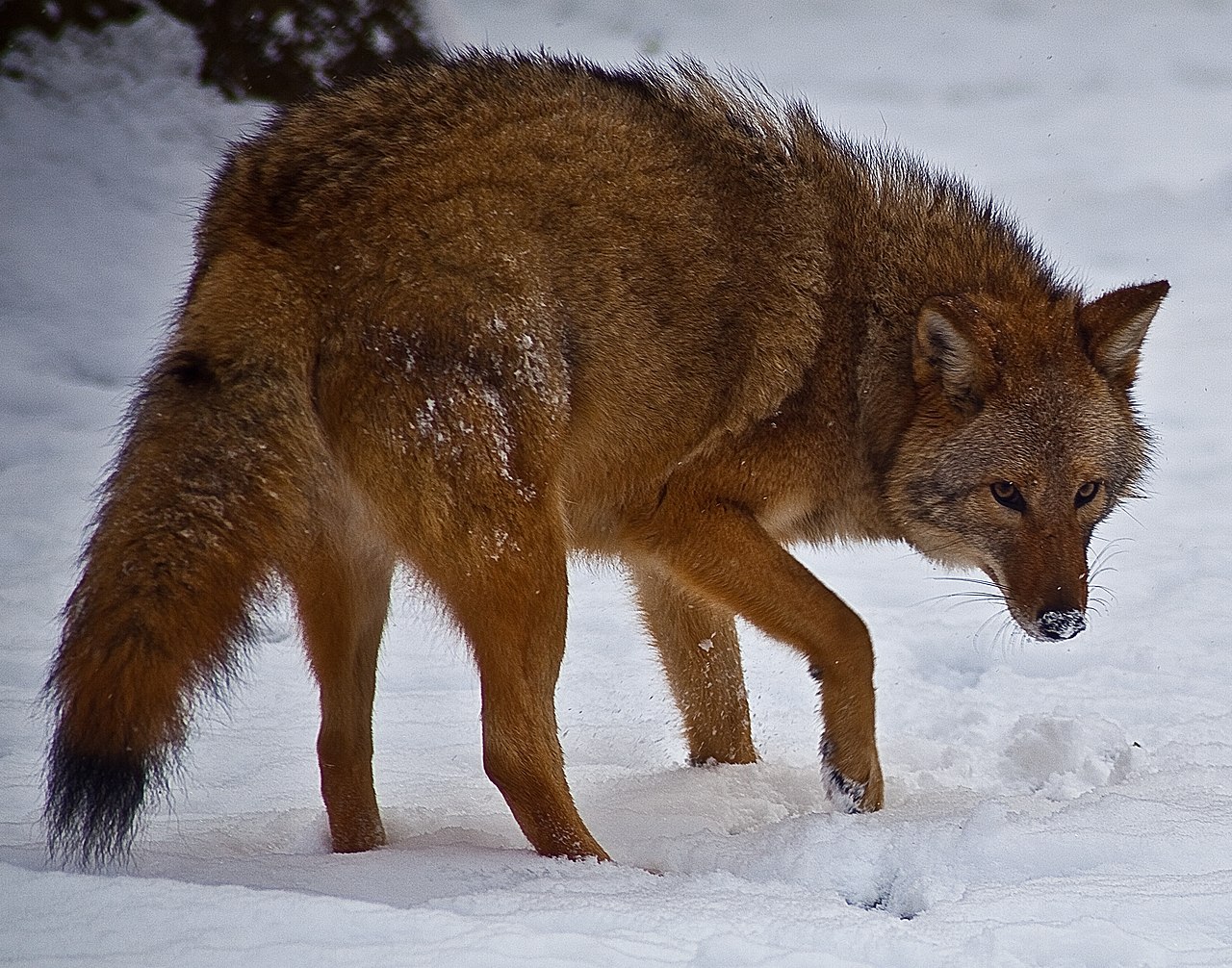
Coyotes are slimmer and generally smaller than gray wolves but larger than many foxes. Their coat color varies from grayish-brown to tawny, often with lighter underparts and a bushy tail tipped in black. Adaptations such as long legs, keen hearing, and a pointed snout help them hunt and travel over diverse terrain.
Behavior and diet
Coyotes are opportunistic omnivores and highly adaptable feeders. Their diet includes small mammals, birds, reptiles, fruits, insects and carrion. They hunt alone, in pairs or in small family groups, and they are known for a varied vocal repertoire—howls, yips and barks—that supports communication among individuals.
Range, history and expansion
Originally concentrated in the plains and deserts of central North America, coyotes have expanded into nearly all habitats on the continent, including forests, mountains and urban areas. This range expansion accelerated with changes in land use, reductions in larger predators, and their own behavioral flexibility.
Ecological role and human interactions
As mid-level predators, coyotes help control populations of rodents and other small animals, influencing ecosystem balance. They sometimes prey on livestock or pets, which brings them into conflict with people; management strategies vary from coexistence measures to control programs. Coyotes also feature prominently in folklore, art and literature across many cultures.
Distinctions and notable facts
- Coyotes can hybridize with domestic dogs and, less commonly, with wolves, creating hybrid populations in some regions.
- They display remarkable behavioral plasticity, learning to exploit suburban and urban resources while remaining wary of humans.
- The species serves as an example of how adaptable predators persist despite habitat changes and human pressures.
Related articles
Author
AlegsaOnline.com Coyote (Canis latrans) Leandro Alegsa
URL: https://en.alegsaonline.com/art/23897
Sources
- commons.wikimedia.org : Coyote
- species.wikimedia.org : Coyote
- wikidata.org : Q44299
- animaldiversity.org : Canis_latrans · web.archive.org
- biolib.cz : 1856
- eol.org : 328608
- gd.eppo.int : CANILA
- fs.fed.us : cala
- fossilworks.org : 44854
- gbif.org : 5219153
- inaturalist.org : 42051
- irmng.org : 10941214
- cabi.org : 90296