
Fox: small canids of Vulpes and related species
Overview of foxes — their classification, anatomy, behavior, diet, habitat, relationship with people, and notable species within Vulpes and related groups.
Foxes are small to medium-sized wild canids best known for their bushy tails and pointed faces. They are primarily carnivores but have flexible diets and ecological roles. Foxes commonly pursue live prey (hunting) such as rabbits and rodents, and they also take invertebrates, birds (feathered prey), eggs (eggs), fruit (soft fruit) and berries (berries). Scavenging on carrion is recorded when fresh meat is available. These dietary habits make foxes opportunistic and adaptable feeders.
Image gallery
10 Images




Classification and species
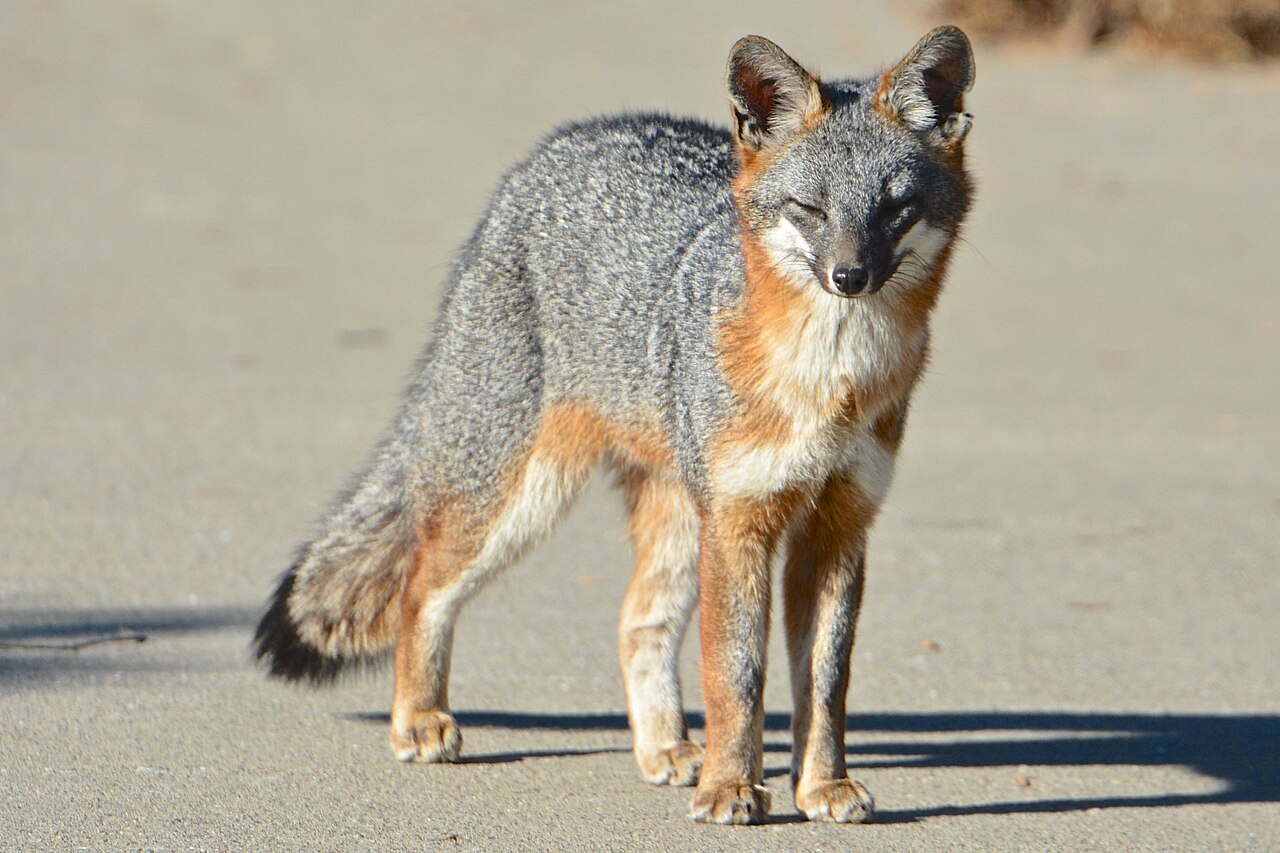
Taxonomically foxes are members of the dog family, often referred to as the dog family Canidae. The best-known group are the "true foxes" in the genus Vulpes, of which about twelve species are commonly recognized. Other small canids and some extinct relatives are also colloquially called foxes, so informal usage can include around two dozen additional taxa depending on classification.
Appearance and adaptations
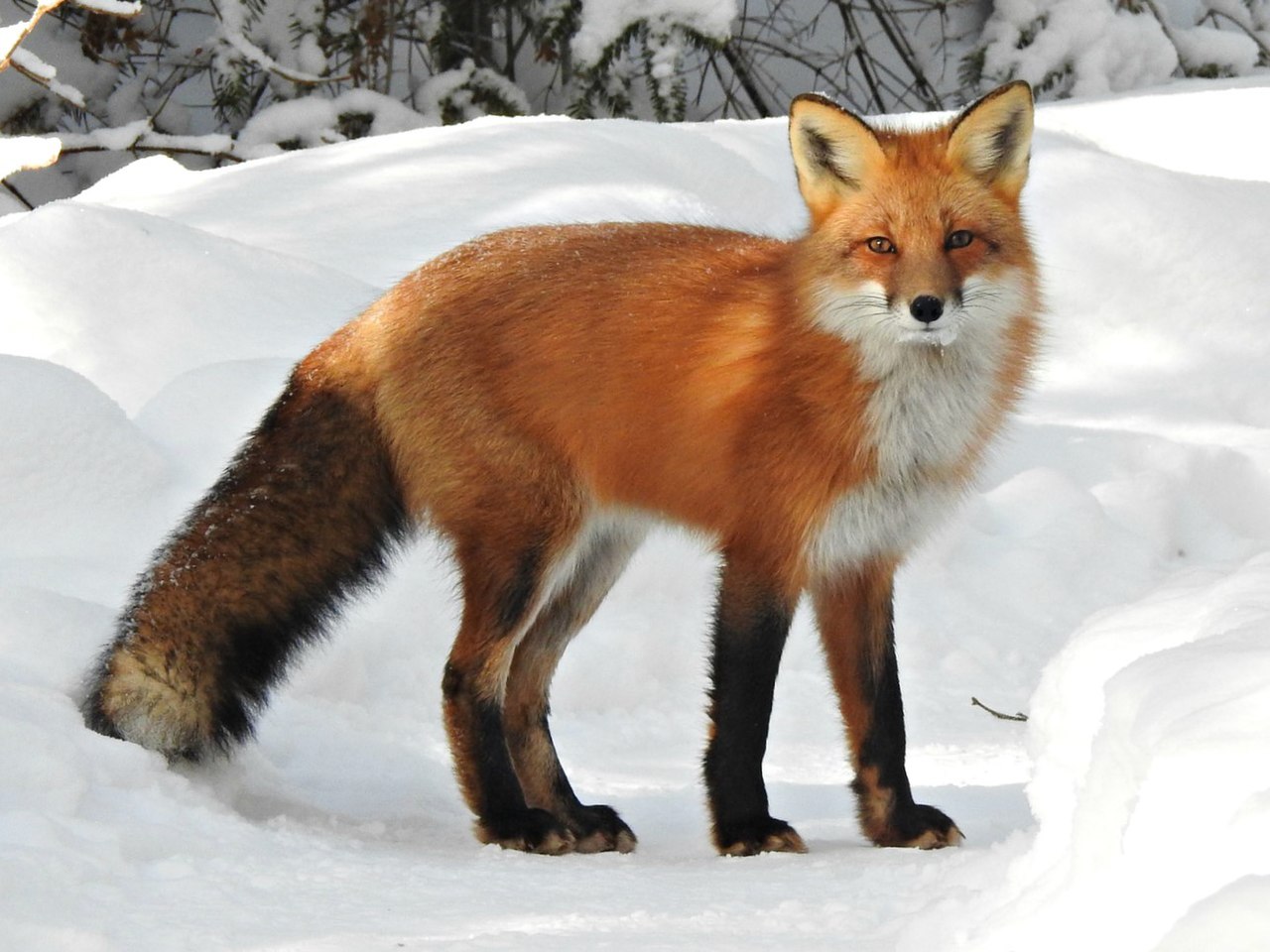
Foxes typically have a narrow muzzle, erect triangular ears and a long, bushy tail that serves several purposes. The tail helps conserve heat when the animal curls up, functions as a visible social signal to family members and aids balance during rapid movement. Fur color, size and ear shape vary between species and populations; for example, the red fox has a reddish coat with white and black markings, while arctic foxes develop dense white winter fur for insulation and camouflage.
Behavior, reproduction and social structure
Many fox species are solitary hunters but maintain home ranges and use scent marking to communicate. They are typically most active at dawn and dusk (crepuscular) though urban populations can show more nocturnal activity. Breeding systems vary; some form monogamous pairs for a season or longer, and litters of pups are raised in dens. Female foxes are commonly called vixens and males are often called dogs or reynards in older literature.
Habitat and global distribution
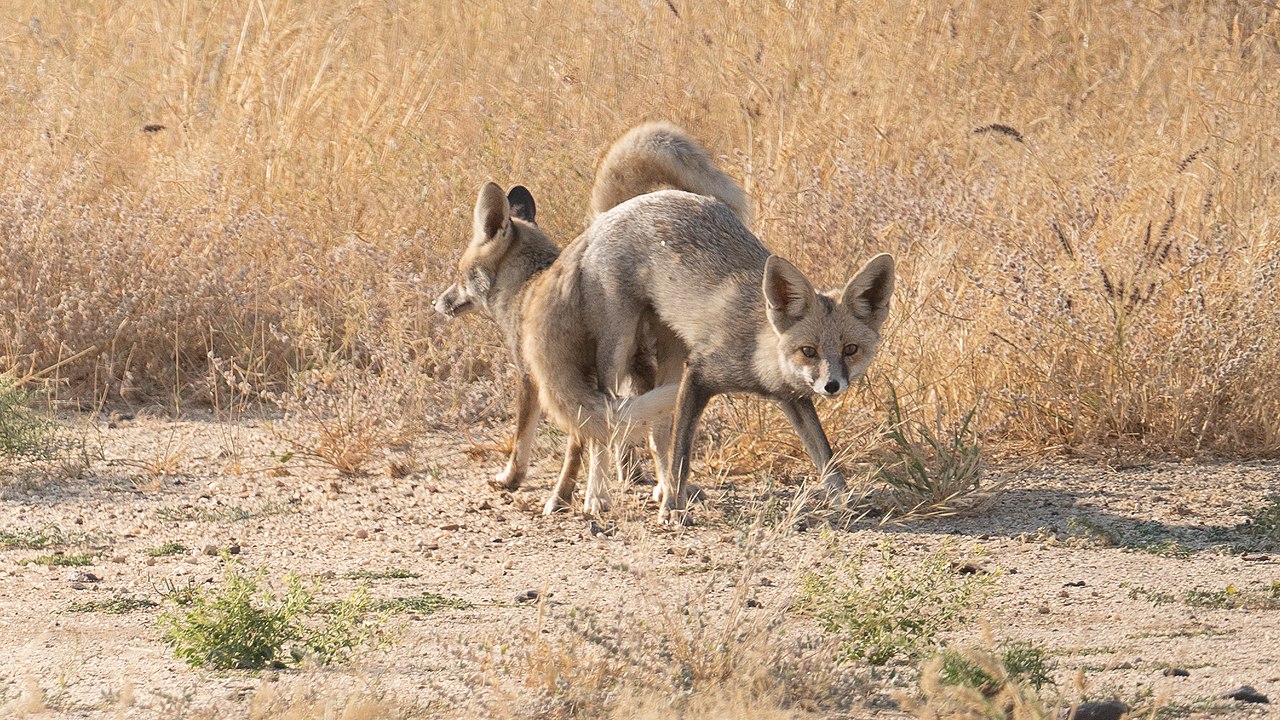
Foxes occupy a wide range of environments and are found on most continents. They live in forests, shrubland, desert and mixed agricultural landscapes, and many species adapt well to human-altered areas. They are absent from Antarctica. Foxes were not native to Australia but were introduced there in the 19th century, with significant ecological consequences.
Relationship with humans and cultural notes
Humans have interacted with foxes in many ways: as furbearers, as pests in agricultural settings, and as charismatic wildlife in urban and rural landscapes. The red fox is the most widespread species and historically was the quarry in traditional fox-hunting sports in the United Kingdom, activities that often involved riders on horses and packs of hounds but are now subject to legal regulation or bans. Conservation approaches differ by region and species, ranging from protective measures to control where they threaten native fauna.
Distinguishing species and notable facts
- True foxes (genus Vulpes) include familiar animals such as the red fox and the arctic fox; their numbers and ranges vary by species.
- Not all animals called "foxes" belong to Vulpes; common names can reflect appearance rather than close genetic relationships.
- Adaptive behavior and opportunistic diets allow several fox species to thrive in suburban and urban settings, leading to both admiration and conflict with people.
For more detailed species accounts, behavior studies and conservation status, consult field guides and regional wildlife resources: carnivore ecology, predator-prey interactions, and targeted literature on species lists and the genus Vulpes.
Questions and answers
Q: What is a fox?
A: A fox is a small mammalian carnivore belonging to the dog family Canidae.
Q: What do foxes typically eat?
A: Foxes hunt and eat live prey, mostly rabbits and rodents (squirrels and mice). They may also eat grasshoppers, birds' eggs, and even fruit and berries. Sometimes they eat carrion.
Q: What are some physical characteristics of a fox?
A: Foxes have pointed ears, narrow snouts, and bushy tails. They are swift and agile runners.
Q: How does the tail of a fox serve it in its environment?
A: The bushy tail helps keep them warm while sleeping in cold weather, serves as part of their food store for wintertime, sends signals to other family members, and helps with balance while running.
Q: Where can foxes be found?
A: Foxes can be found on all continents except Antarctica, living in forest, shrubland, and desert regions. They were not native to Australia but were introduced in some way.
Q: What is the most common species of fox?
A: The most common species of fox is the red fox.
Q: Was hunting with horses and dogs once popular for hunting foxes in the United Kingdom?
A: Yes, it was once popular for people to hunt foxes with horses and dogs in the United Kingdom; however this practice has since been banned.
Related articles
Author
AlegsaOnline.com Fox: small canids of Vulpes and related species Leandro Alegsa
URL: https://en.alegsaonline.com/art/35946
Sources
- washingtonpost.com : "Ever wonder why animals have tails?"
- arctic.noaa.gov : NOAA report
- animals.nationalgeographic.com : "Red Fox Vulpes vulpes"
- bucknell.edu : Order Carnivora
- google.com : Mammal Species of the World
- worldcat.org : 62265494
- pubmed.ncbi.nlm.nih.gov : 10396181