
Animals of New Zealand: Evolution, Endemics, and Ecological Role
An overview of New Zealand’s animals, their Gondwanan origins, distinctive bird-dominated fauna, introduced species and conservation challenges.
Overview
New Zealand’s animal life is distinctive because of the islands’ long isolation and unusual ecological history. Many endemic species evolved in the absence of terrestrial mammalian predators, producing a fauna dominated by birds, reptiles, and unique invertebrates. Modern assemblages include ancient lineages that trace back to Gondwana and later arrivals that reached the islands by flight or rafting.
Image gallery
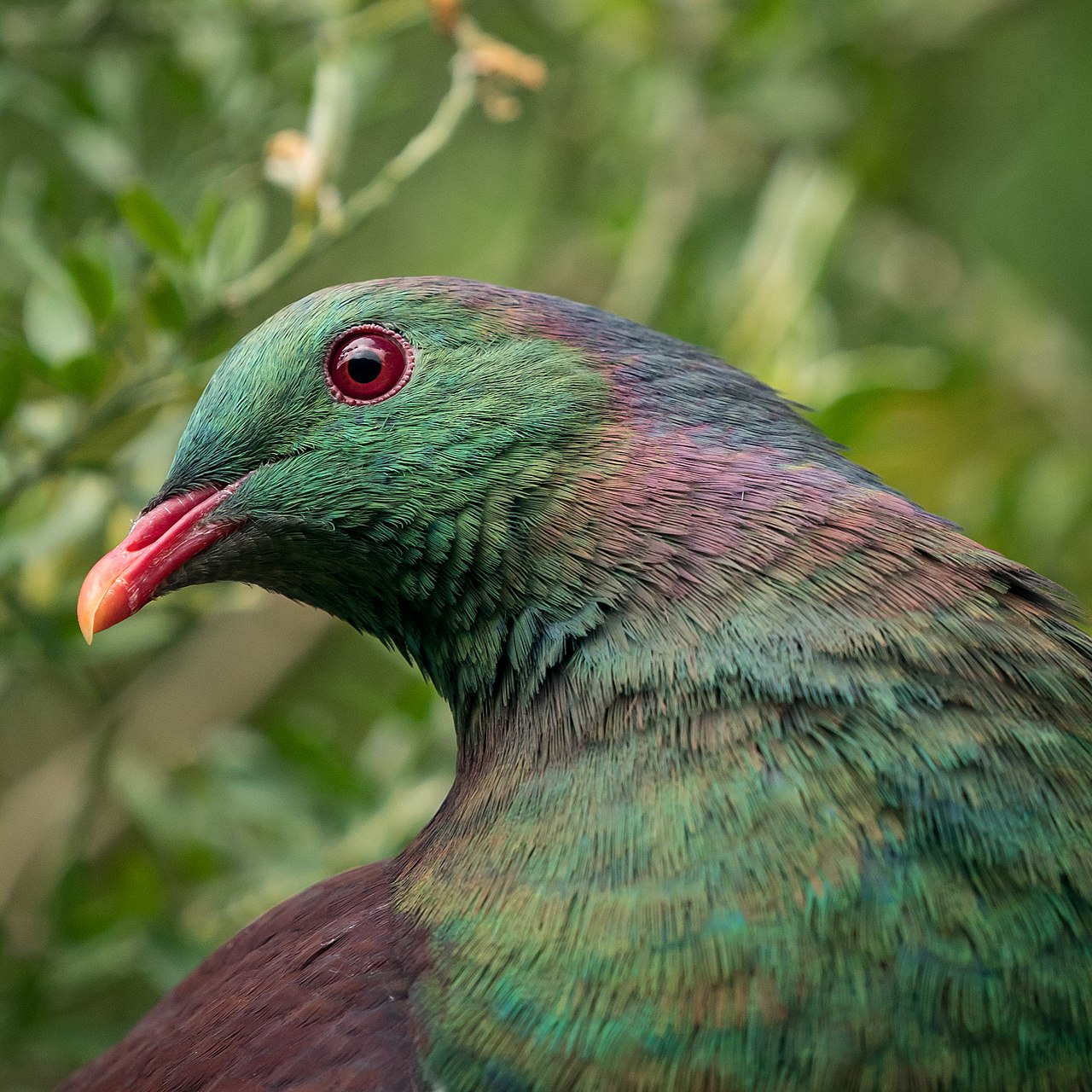
4 Images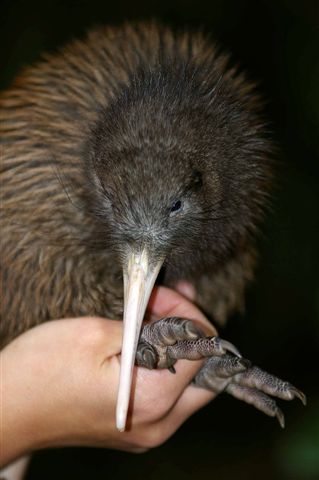


Evolutionary history and isolation
Geologically the land that became New Zealand separated from the supercontinent Gondwana tens of millions of years ago, a factor that shaped which groups persisted and which radiated in place. Flightless and ground-dwelling birds, several reptile groups, and many invertebrates show patterns of long local evolution. For context and deeper background see Gondwana and biogeography.
Notable groups and examples
Birds are the most emblematic animals. Before human arrival there were large, often flightless species such as the extinct moas and top predators like Haast’s eagle. Other well-known taxa include:
- Endemic forest and shore birds (for example, kiwi and numerous endemic songbirds)
- Flightless rails and waders that evolved reduced flight or none at all
- Reptiles such as tuatara and several gecko and skink species
- A rich invertebrate fauna including giant weta and numerous endemic insects and spiders
Readers can explore species profiles and conservation information at a general resource on New Zealand fauna: Animals of New Zealand. For a notable extinct predator, see material on Haast’s eagle.
Human impact and conservation
Arrival of humans brought mammalian predators (rats, stoats, cats, possums and others) and habitat change, dramatically altering native communities. Many bird species declined or went extinct, and conservation efforts now focus on predator control, island sanctuaries, captive breeding and habitat restoration. These measures aim to protect remaining endemics and restore ecological function across landscapes.
Distinctive features and importance
New Zealand is a case study in how isolation shapes biodiversity: flightless birds as dominant terrestrial vertebrates, survival of ancient reptile lineages, and high endemism make it important for evolutionary biology and conservation. Its story highlights how introduced species can rapidly reshape ecosystems and why active management is often necessary to preserve unique native fauna.
Questions and answers
Q: What is the history of New Zealand's animals?
A: The animals of New Zealand have an unusual history. The islands were part of Gondwana, from which they separated 84 million years ago. Some plants and animals survive from that time, and birds flew there much later.
Q: What is New Zealand well known for?
A: New Zealand is well known for its terrestrial birds, some of which were large species (the moas).
Q: What was the main predator of the moas?
A: The main predator of the moas was other birds, such as the giant Haast's eagle.
Q: How long ago did New Zealand separate from Gondwana?
A: New Zealand separated from Gondwana 84 million years ago.
Q: Are there any native mammalian carnivores in New Zealand?
A: No, for millions of years there have been no native mammalian carnivores in New Zealand.
Q: What type of animal are the moas?
A: The moas are large species of terrestrial bird.
Q: How did the moas protect themselves before predators arrived on the islands?
A: Before predators arrived on the islands, the moas had no natural predators and so had to rely on their own defenses to protect themselves.
Related articles
Author
AlegsaOnline.com Animals of New Zealand: Evolution, Endemics, and Ecological Role Leandro Alegsa
URL: https://en.alegsaonline.com/art/4282
Sources
- newscientist.com : New Scientist Webpage: Rat remains help date New Zealand's colonisation · web.archive.org
- ncbi.nlm.nih.gov : "A sphenodontine (Rhynchocephalia) from the Miocene of New Zealand and palaeobiogeography of the tuatara (Sphenodon)"
- doi.org : 10.1098/rspb.2008.1785
- pubmed.ncbi.nlm.nih.gov : 19203920
- odt.co.nz : Tuatara genome mapping | Otago Daily Times Online News
- commons.wikimedia.org : Animals of New Zealand
- doc.govt.nz : Native animals of New Zealand
- enchantedlearning.com : Animals of New Zealand