
Hypothermia: causes, symptoms, emergency care and prevention
Comprehensive overview of hypothermia: definition, stages, common signs, first aid, hospital treatments, risk factors, prevention, and when to seek urgent medical help.
Overview: Hypothermia is a dangerous medical condition in which the core body temperature falls below 35.0 °C (95.0 °F). When the body cannot preserve heat, normal metabolic and organ functions become impaired. Hypothermia ranges from mild impairment of temperature regulation to life-threatening failure of the heart and breathing.
Image gallery
7 Images




Signs and stages
Symptoms vary by severity. Typical features include shivering, slow or slurred speech, clumsiness or lack of coordination, confusion, drowsiness, and loss of consciousness in severe cases. Commonly described stages are:
- Mild: core temperature slightly below normal, active shivering and mental slowing.
- Moderate: shivering may diminish, coordination and thinking worsen, slowed pulse and breathing.
- Severe: muscle rigidity, very slow or irregular heartbeat, loss of consciousness and risk of cardiac arrest.
Causes and risk factors
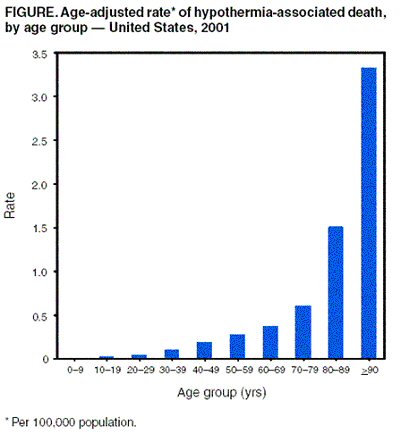
Hypothermia arises when heat loss exceeds heat production. Typical situations include prolonged exposure to cold air or water, immersion in cold water, inadequate clothing or shelter, and impaired heat generation due to age, illness, alcohol or drug use. Infants, older adults, people with certain medical conditions, and those who are wet or exhausted are at higher risk.
First aid and prevention
Immediate steps can reduce harm. Move the person out of the cold, remove wet clothing, and shelter them from wind. Rewarm gradually: use dry blankets, warm (not hot) packs to the trunk, and provide warm nonalcoholic drinks if the person is alert and can swallow. Avoid vigorous rubbing of cold limbs and do not immerse a severely hypothermic person in hot water. For any moderate or severe case, or when in doubt, seek professional care: Get medical help.
- Prevention: appropriate clothing layers, stay dry, monitor weather, avoid alcohol in the cold, and prepare for emergencies outdoors.
- First aid categories: passive external rewarming (blankets), active external (heating pads), and active internal methods used in medical settings.
Medical treatment and complications
Hospital care depends on severity. Treatments can include warmed, humidified oxygen; heated intravenous fluids; airway and cardiac support; and, in extreme cases, active internal rewarming techniques such as warmed lavage or extracorporeal blood warming. Complications can include cardiac arrhythmias, coagulopathy, infection, and long recovery for neurological deficits when prolonged low temperature caused tissue injury.
Notable facts: Hypothermia has long been recognized in cold-climate activities such as mountaineering and polar exploration and remains a preventable cause of morbidity and death. Prompt recognition and appropriate rewarming significantly improve outcomes, so awareness and early action are important for anyone exposed to cold environments.
Questions and answers
Q: What is hypothermia?
A: Hypothermia is a condition when a person's body temperature drops below normal, which means any body temperature lower than 35.0°C (95.0°F).
Q: What are the symptoms of hypothermia?
A: Someone with hypothermia starts shivering and cannot stop. They then become confused and act strange. Their words don't make sense and they may be clumsy. Sometimes they become very tired.
Q: What should a person do if they have hypothermia?
A: If someone has hypothermia, they should be wrapped in blankets and taken to a hospital. If that's impossible, they should be warmed up slowly and given a warm drink.
Q: What happens if hypothermia is left untreated?
A: If hypothermia is left untreated, the person's vital signs may deteriorate and they may become unconscious. In severe cases, it can lead to heart failure and death.
Q: How can hypothermia be prevented?
A: Hypothermia can be prevented by dressing warmly in cold weather, avoiding prolonged exposure to cold, and staying dry.
Q: What is the normal body temperature?
A: The normal body temperature is 36.5-37.5°C (97.7-99.5°F).
Q: What causes hypothermia?
A: Hypothermia can be caused by exposure to cold weather, immersion in cold water, lack of proper clothing, and certain medical conditions.
Related articles
Author
AlegsaOnline.com Hypothermia: causes, symptoms, emergency care and prevention Leandro Alegsa
URL: https://en.alegsaonline.com/art/46213
Sources
- pubmed.ncbi.nlm.nih.gov : 18788094
- pubmed.ncbi.nlm.nih.gov : 15617296
- archive.rubicon-foundation.org : "Field Management of Accidental Hypothermia during Diving"
- archive.rubicon-foundation.org : "Immersion hypothermia"
- worldcat.org : 0813-1988
- worldcat.org : 16986801
- ceaccp.oxfordjournals.org : "induced hypothermia"
- ingentaconnect.com : "Changes in manual dexterity following short-term hand and forearm immersion in 10 degrees C water"
- pubmed.ncbi.nlm.nih.gov : 14503680