
Gondwanatheria — extinct mammals of the ancient southern continents
Overview of Gondwanatheria: an enigmatic group of herbivorous mammals known mainly from teeth and jaws, recorded from the Late Cretaceous into the Cenozoic across former Gondwana landmasses and important for southern biogeography.
Overview
Gondwanatheria is the name applied to a group of extinct mammals that lived chiefly on the southern landmasses that once formed the supercontinent Gondwana. Their remains range from the Upper Cretaceous into parts of the Cenozoic, with some fragmentary records interpreted as persisting into the Miocene. The group is known primarily from isolated teeth and a few lower jaws, so most reconstructions of their biology and relationships rely on dental morphology and occasional jaw material (mammals, teeth and jaws).
Image gallery
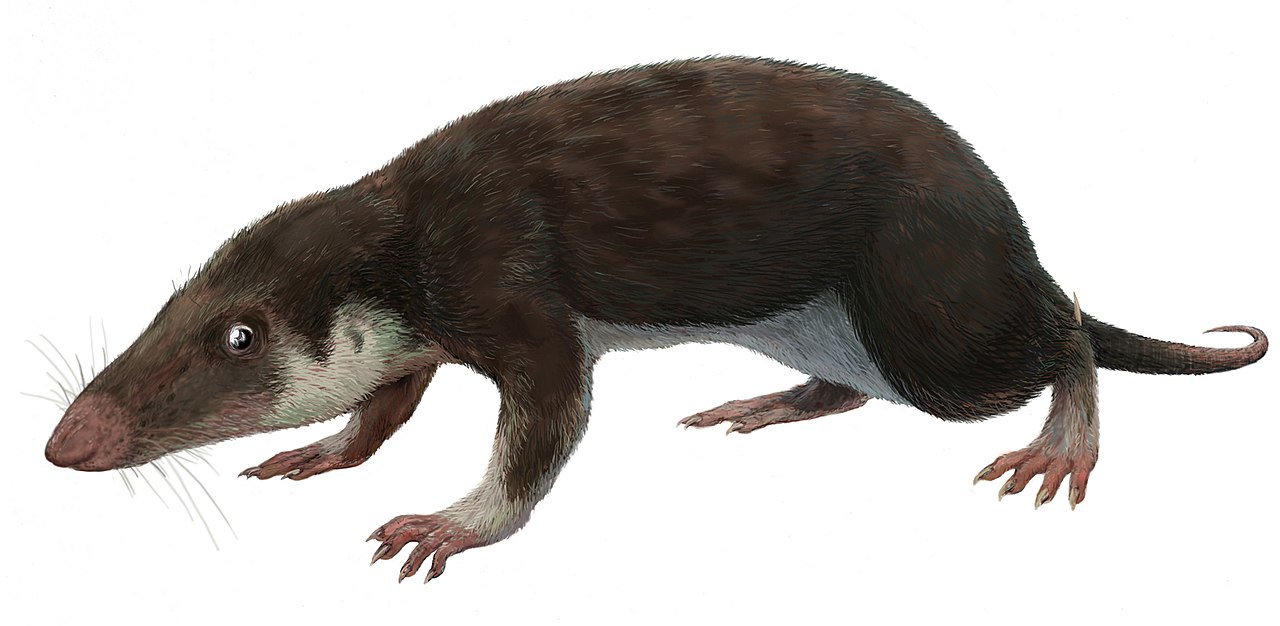
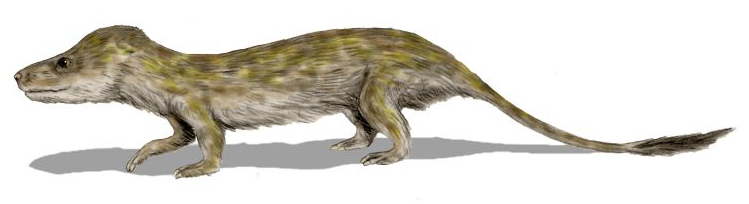
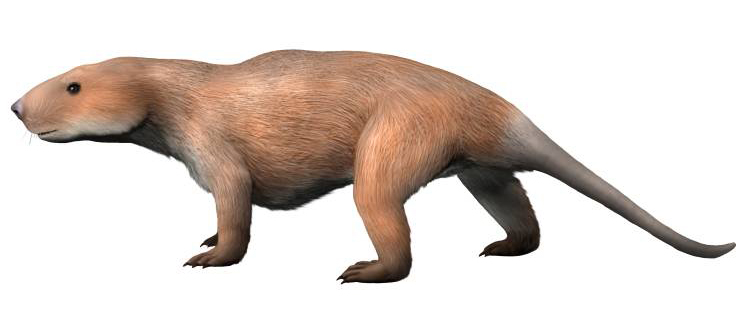
10 Images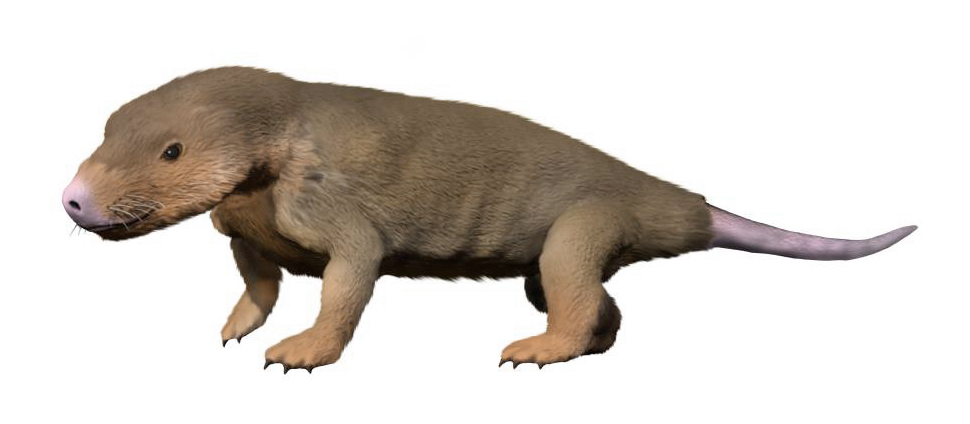


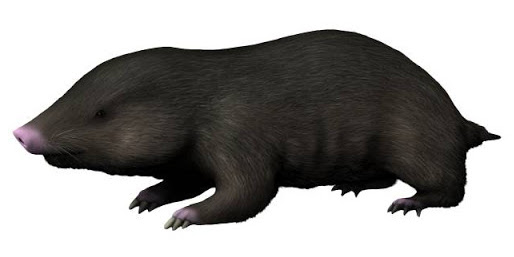
Anatomy and adaptations
Gondwanatherian fossils are dominated by cheekteeth that are highly distinctive in shape and wear pattern. Many taxa show broad, complex cusps or transverse ridges and some exhibit high-crowned (hypsodont) cheek teeth, a common adaptation for processing abrasive plant matter. These dental features strongly indicate herbivory; inferences about diet, tooth replacement and jaw mechanics are drawn almost entirely from tooth form. Where partial jaws are available, they add information about tooth implantation and muscle attachment sites, but complete skulls and postcranial skeletons remain rare.
Fossil record and geographic distribution
Fossils attributed to gondwanatherians have been reported from several southern continents. Notable occurrences include material from South America, Madagascar and India; there are also reports from Antarctica. The record is patchy and geographically scattered, reflecting both a real ancient distribution across former Gondwanan regions and the uneven nature of fossil preservation and collecting. General summaries of these finds are discussed under the heading of fossils.
Systematics and scientific debates
The taxonomic placement of gondwanatherians has been controversial. Early suggestions linked them with the multituberculates or placed them within the broader assemblage of allotherian mammals, while other workers have argued they form a distinctive southern lineage closely tied to Gondwanan biogeography. Newer, better-preserved specimens have clarified aspects of their dentition and jaw structure, but major questions about higher-level relationships remain. Ongoing study of dental microstructure and comparisons with other Mesozoic and early Cenozoic groups continue to refine hypotheses.
Paleobiology and ecology
Dental wear and form indicate that gondwanatherians consumed vegetation, and some adaptations point to diets that included tough or abrasive materials such as fibrous plants or grasses mixed with grit. In regions where they are found, gondwanatherians would have been part of diverse herbivore assemblages that included other small mammals, dinosaurs in the Cretaceous and later, a range of birds and other vertebrates. Reconstructions of their ecological role remain cautious because postcranial remains are limited.
Extinction and temporal range
The timing and causes of gondwanatherian decline are debated. Some authors have suggested that climatic shifts around the Eocene–Oligocene transition and changing vegetation patterns may have contributed to their reduction and eventual extinction in many regions. Other explanations emphasize competition with newly dispersed mammal groups or long-term faunal turnover following continental breakup. Because some fragmentary records extend into the Paleogene and perhaps beyond, their final disappearance may have been staggered across different landmasses rather than a single global event.
Significance
Gondwanatherians are important for understanding how mammal faunas on southern continents evolved in relative isolation after the breakup of Gondwana. They illustrate convergent dental evolution among herbivorous mammals and provide data for reconstructing past ecosystems, vegetation and climate on southern landmasses. Key taxa and finds from places such as South America and Madagascar have been central to debates about southern hemisphere mammal evolution and biogeography (southern continents summary).
Key points
- Known mainly from distinctive teeth and a few jaws, gondwanatherians are an enigmatic group of herbivorous mammals.
- They are recorded from the Late Cretaceous into the Cenozoic across former Gondwana regions, including South America, India and Antarctica.
- Dental characters indicate adaptations to abrasive diets; hypsodonty occurs in some taxa.
- Phylogenetic placement is debated; they may represent a distinctive southern lineage or be related to other allotherian mammals.
- Environmental change, including climate change and shifts in vegetation such as loss of lush forests, are among the factors proposed to explain their decline.
Further information and specimen reports are available in specialized literature that treats the anatomy, distribution and evolutionary implications of gondwanatherians (specimen reports, fossils summaries). For overviews of regional records see the entries for South America, India and Antarctica, and for broader context consult summaries of Gondwanan biogeography.
Related articles
Author
AlegsaOnline.com Gondwanatheria — extinct mammals of the ancient southern continents Leandro Alegsa
URL: https://en.alegsaonline.com/art/39589