
Goose (typical geese of the family Anatidae)
Geese are medium-to-large waterfowl of the family Anatidae. This article covers their taxonomy, appearance, behavior, migration, domestication, and notable distinctions from swans and ducks.
Overview
Geese are social waterfowl in the family Anatidae. They occur worldwide in a variety of habitats, especially near freshwater and agricultural land. The common English plural is "geese." Adult males are called ganders and young birds are goslings. Groups are often described as gaggles when on the ground.
Image gallery
10 Images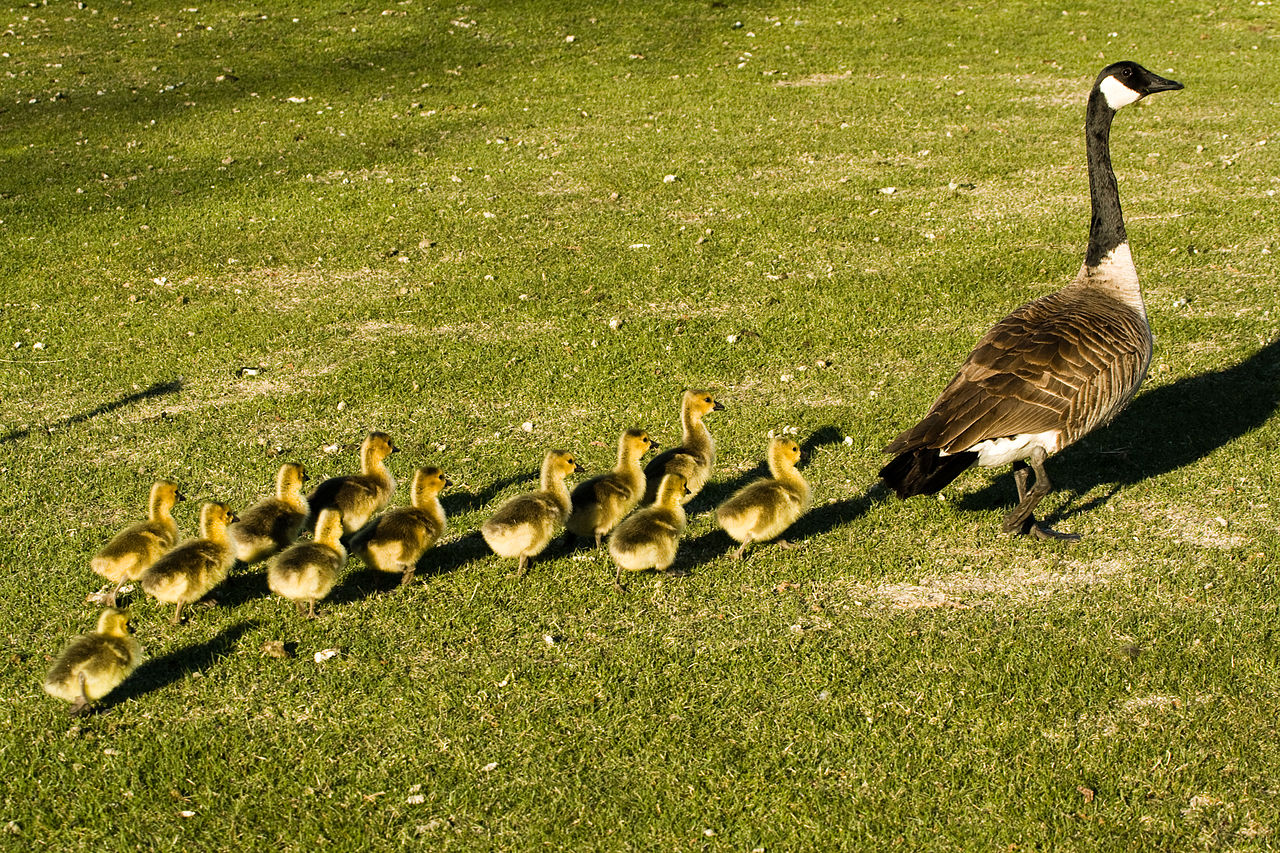



Taxonomy and related groups
Most birds called geese fall into three traditional groups of species within Anatidae. These groups are often treated as genera and are discussed collectively as the principal goose groups: Anser, Branta, and Chen. The same family also contains larger swans and smaller ducks; for comparison see swans and ducks.
Physical characteristics and behavior
Geese are typically characterized by long necks (relative to most ducks), stout bodies, webbed feet, and broad bills adapted for grazing and dredging vegetation. Plumage varies by species from mottled browns to black-and-white patterns. Vocal behavior is conspicuous: geese produce honks and cackles used for contact calls and alarm.
- Locomotion: strong swimmers and capable walkers; many species also graze on land.
- Sociality: highly gregarious, forming flocks that coordinate feeding and movement.
- Breeding: many form long-term pair bonds and defend nesting territories.
Migration and collective movement
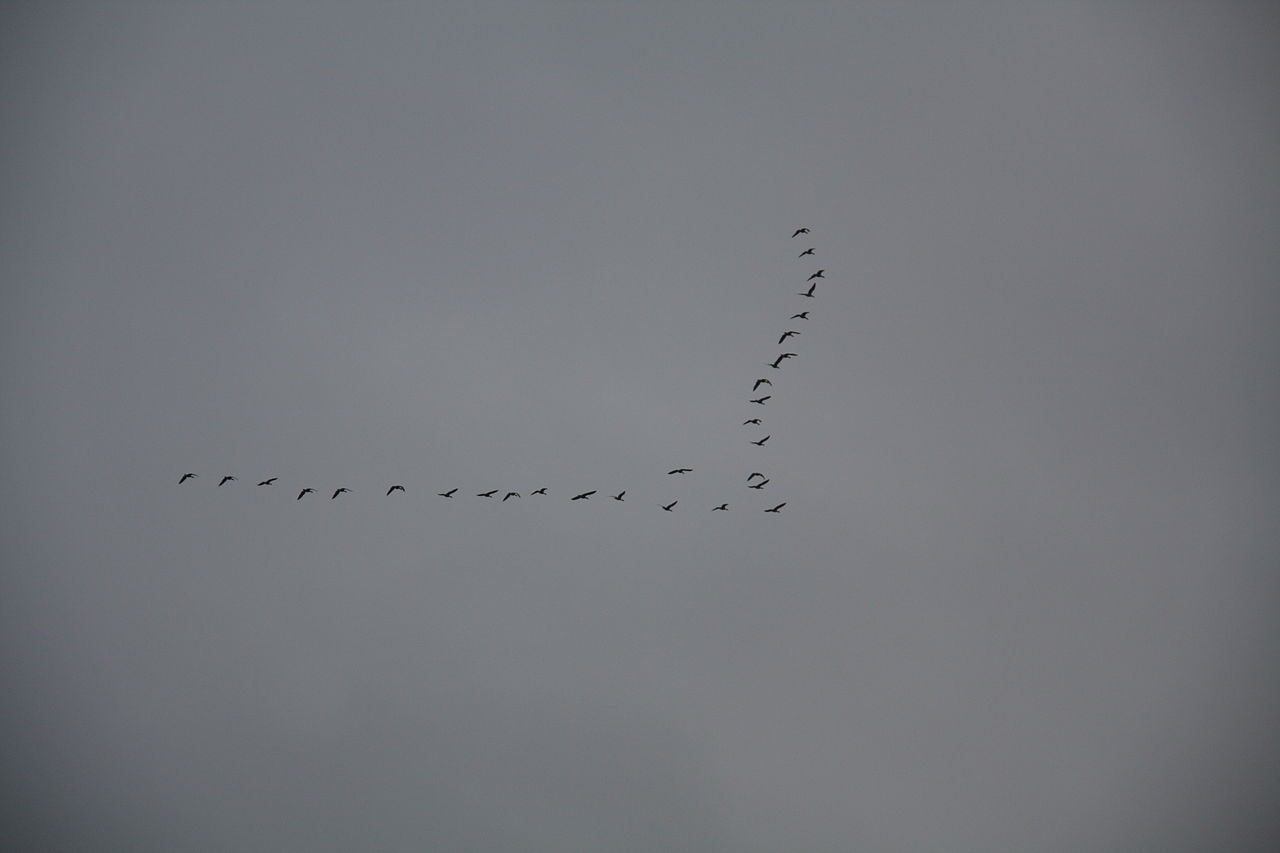
Many goose species are migratory, traveling seasonally between breeding and wintering areas. During migration they commonly fly in organized formations such as the V-shaped skein; this formation reduces aerodynamic drag and helps navigation. Their tendency to remain together and respond collectively to threats and opportunities is a hallmark of their ecology; studies and writings on flock dynamics often refer to this aspect of collective animal behaviour. Their capacity to be driven in large groups has been used historically and in modern farming contexts (herding and movement).
Domestication, uses, and human relationships
Geese have a long association with people. Several species have been domesticated for meat, liver products, down and feathers, and as guard animals because of their loud calls and territorial behavior. Domestic geese retain many behaviors of wild relatives, including grazing preferences and social organization. Goose fat and feathers have culinary and textile uses in many cultures.
Notable distinctions and facts
Compared with swans and ducks, geese are intermediate in size and often show stronger pair bonds than many ducks. Their migratory patterns make them important for nutrient transfer between ecosystems and for hunters and birdwatchers they are familiar seasonal indicators. For more on seasonal movement and traditional migration routes see migration.
Further reading and species-specific details can be found through resources linked above and by consulting regional field guides and ornithological summaries.
Related articles
Author
AlegsaOnline.com Goose (typical geese of the family Anatidae) Leandro Alegsa
URL: https://en.alegsaonline.com/art/39710