
Oligocene epoch
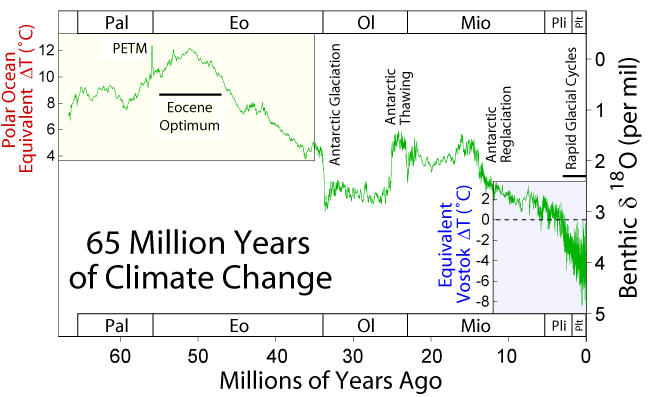
A geological epoch from about 34 to 23 million years ago marked by global cooling, Antarctic glaciation and the rise of more modern mammal and plant communities during the Paleogene.
Overview
The Oligocene is a geological epoch that forms the last interval of the Paleogene Period. It spans roughly from 34 million to 23 million years ago, following the Eocene and preceding the Miocene. Paleogeography, ocean circulation and global temperatures continued to change, shifting Earth toward climates and ecosystems that are recognizably more modern than those of the early Cenozoic.
Image gallery
10 Images



Climate and environments
The Oligocene is often described as a time of cooling and drying relative to the preceding Eocene. Large areas remained wooded, but open habitats expanded as forests gave way to more open scrub and the first widespread development of grasslands. Permanent ice sheets began to appear on Antarctica as seasonal and then persistent ice accumulated; the formation of sea ice and continental ice is a hallmark of the interval and relates to global climate reorganization.
Life and ecosystems
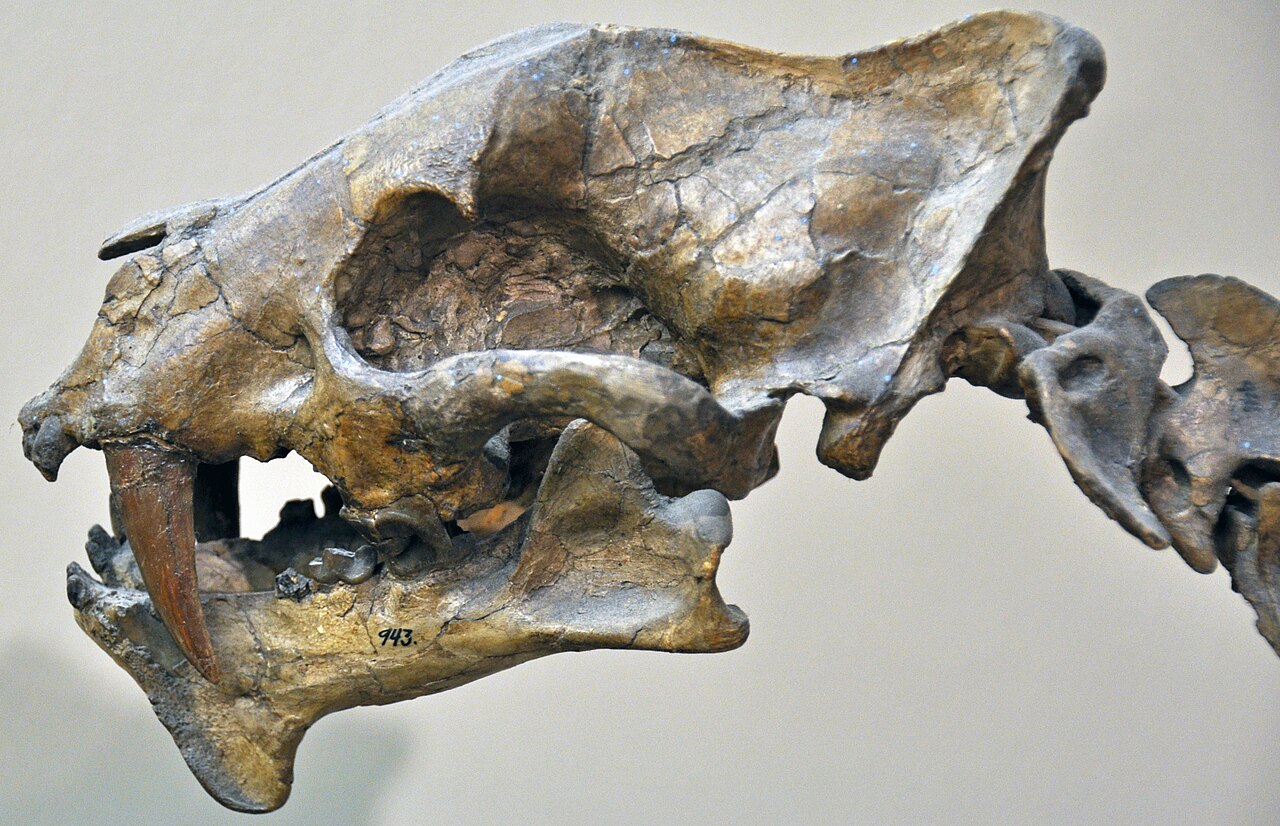
Biotic change during the Oligocene was significant but not abrupt. Many modern families of mammals, birds and flowering plants became established or diversified further. Grazing mammals adapted to more open terrain, and groups such as early ruminants and perissodactyls show evolutionary trends toward cursorial (running) lifestyles. Marine life also adjusted to changing oceans: cetaceans and other marine mammals continued to diversify while shallow-water faunas shifted with sea-level changes. Overall the epoch is seen as a transitional phase for the global biota.
Geology and plate tectonics
Tectonic activity during the Oligocene influenced climate and ocean circulation. Movements of continents and the progressive opening or narrowing of ocean gateways helped alter currents around Antarctica and at other latitudes, which contributed to cooling and ice buildup on that continent. Mountain building and regional uplifts also affected weather patterns and erosion, shaping habitats on land and sedimentation patterns in basins.
Characteristic features
- Time span: ~34–23 million years ago.
- Climate trend: global cooling and steps toward Antarctic glaciation.
- Vegetation: reduction of dense forests; spread of open woodlands and grasses.
- Fauna: diversification of modern mammal groups and adaptations to open habitats.
Importance and legacy
The Oligocene represents a key transition from the warm, greenhouse conditions of the Paleogene toward the cooler Neogene world. Changes that took place then set the stage for later evolutionary radiations and for climatic regimes that influenced Earth's ecosystems through the Miocene and beyond. Researchers study Oligocene deposits to understand how ecosystems responded to long-term cooling, tectonic shifts, and the early establishment of modern plant and animal lineages.
For further reading, consult entries on the epoch, the broader Paleogene context and climate history via these resources: geological epoch overview, Paleogene period, Eocene, Miocene, forests, grasslands, Antarctic ice history, Antarctica, climate change, biotic transitions.
Related articles
Author
AlegsaOnline.com Oligocene epoch Leandro Alegsa
URL: https://en.alegsaonline.com/art/72375