
Jaw: structure, diversity, development and function
An overview of jaws — biological structures used for grasping and processing food. Covers human anatomy, variation across animals, evolutionary origin, developmental patterns, and notable adaptations.
For the film title that shares the name, see Jaws or the movie entry Jaws (movie). In biology the word "jaw" describes a body structure that seizes, holds, cuts or crushes food. Jaws are defined by their role and mechanical action rather than by a single tissue type: they can be bone, cartilage, sclerotized cuticle, or other material depending on the animal. This article summarizes typical jaw anatomy, major variations across animal groups, developmental origins and some notable examples.
Image gallery
7 Images



Basic anatomy and function
In mammals and many other vertebrates the jaws form the bony framework of the mouth and support the teeth. The lower jaw or mandible is usually a single movable bone that articulates with the skull at the temporomandibular joint; the upper jaw or maxilla is typically fixed to the skull. Powerful muscles such as the masseter and temporalis move the mandible to bite and chew. Beyond feeding, jaws influence vocalization, facial expression and, in humans, speech mechanics. Teeth are commonly set in sockets in the jaws and are replaced or modified according to diet.
Variation across animals
Across the animal kingdom jaw-like structures show great diversity in origin and operation. Key contrasts include:
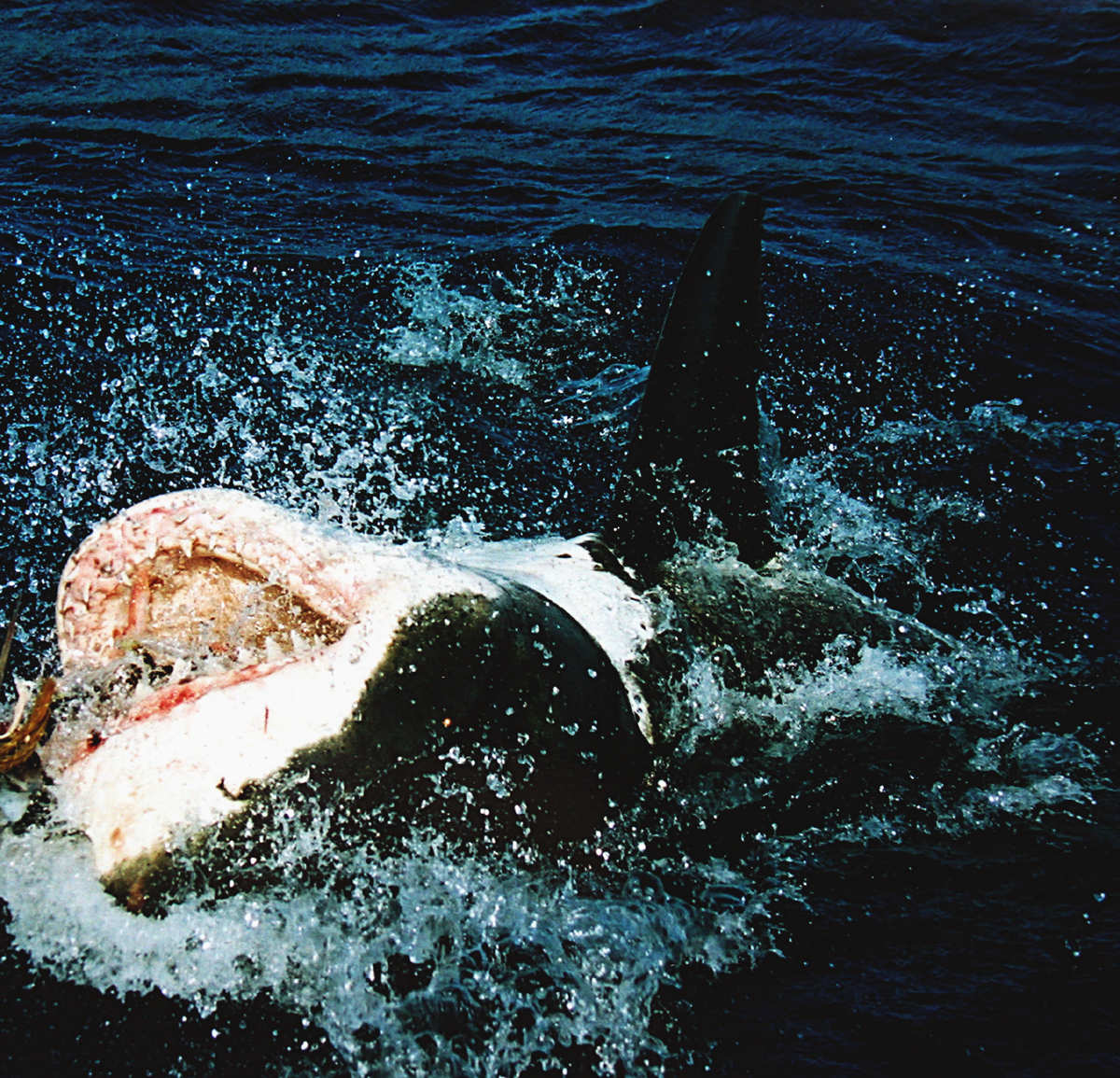
- Vertebrates: true jaws of gnathostome fishes and their descendants are skeletal elements derived from pharyngeal arch tissues; some fishes evolved additional pharyngeal jaws used to manipulate prey internally, as in moray eels.
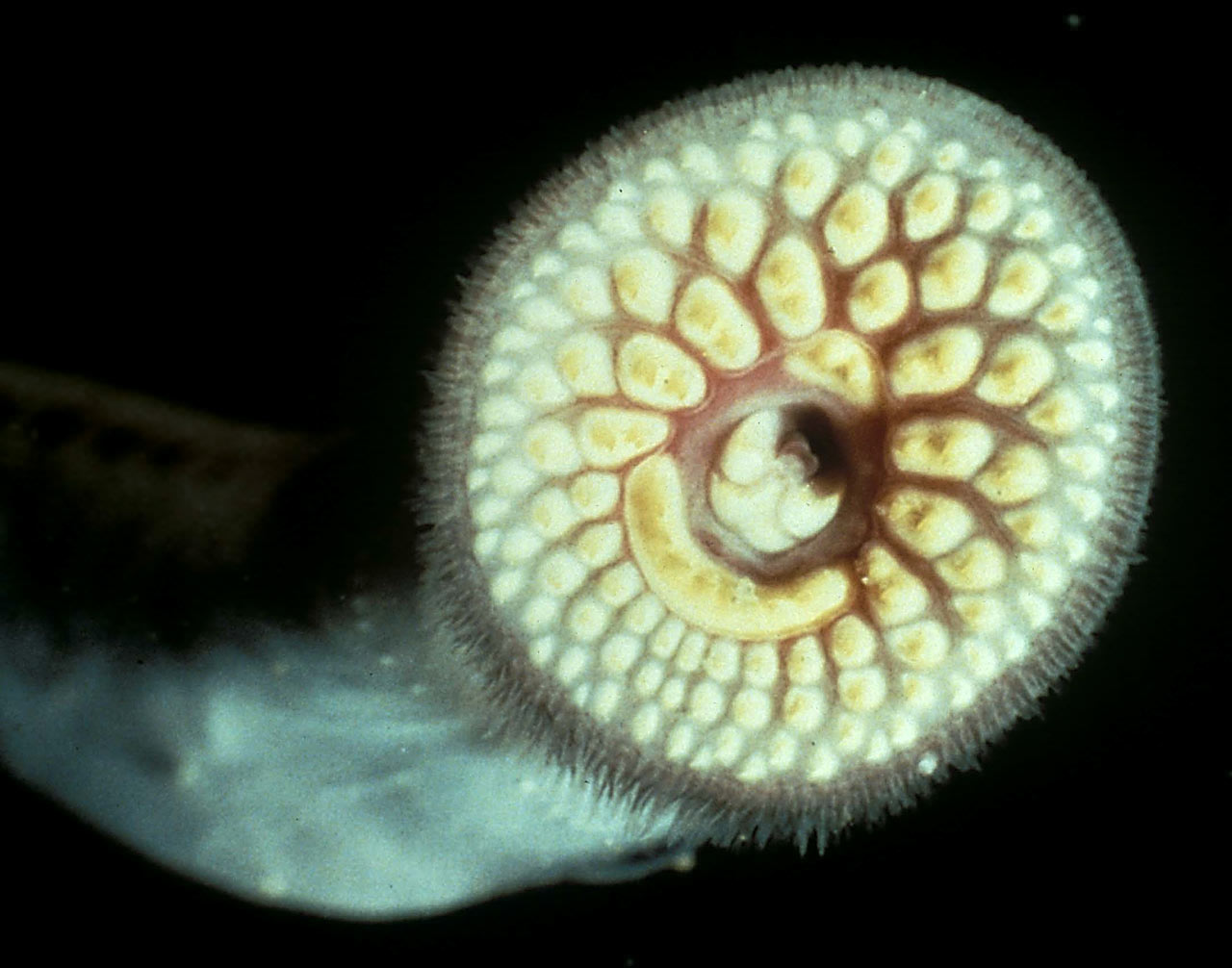
- Jawless vertebrates: lampreys and hagfish lack jaws and instead use other oral structures to feed.
- Arthropods and insects: mandibles often occur outside the mouth and move laterally (left–right) rather than vertically; they are formed from hardened cuticle and may serve for biting, grinding or defense.
- Echinoderms: sea urchins possess a complex feeding apparatus with five calcareous elements and teeth (commonly called Aristotle’s lantern), effectively five jaws in a ring around the mouth.
Development and evolutionary context
Jaws evolved early in vertebrate history and represent a major functional innovation that enabled new feeding strategies. Developmentally, jaws arise from embryonic pharyngeal arches and share a deep relationship with other head structures. Because a jaw is defined by function, similar jaw-like appendages may originate from different embryonic tissues in different animal groups. Within arthropods, for example, appendages that become jaws in one lineage may form antennae or legs in another, reflecting changes in developmental patterning rather than a single ancestral form.
Notable developmental adaptations
Some mammals show unusual jaw-related development. Marsupials and monotremes are born at an early stage of development compared with placental mammals and must feed before their permanent jaw bones are fully formed. Research has shown that in some species, including opossums and echidnas, temporary structural arrangements involving elements near the middle ear help stabilize the oral region during early feeding; these elements later contribute to the middle ear in the adult. These findings illustrate how evolution can reuse skeletal parts for different roles at different life stages.
Importance, uses and distinctions
Jaws are central to an animal’s ecology: diet, habitat use, predator–prey interactions and social behaviors often depend on jaw form and function. Paleontologists and comparative anatomists study jaws to infer feeding habits and evolutionary relationships. It is also important to distinguish jaws from other mouthparts (palps, proboscises, buccal lobes) and from structures called mandibles in human dentistry, which have specific clinical and surgical considerations.
For related topics and further reading, see entries on bones and skull anatomy (bones, skull), mouth structures (mouth), embryology (embryo), tissue types (tissue), arthropod appendage diversity (antennae, legs), broad vertebrate groups (vertebrates) and examples in marine invertebrates (sea urchins). See also notes on mammalian groups such as marsupials, monotremes and juvenile mammals in general (baby mammals, echidnas).
Related articles
Author
AlegsaOnline.com Jaw: structure, diversity, development and function Leandro Alegsa
URL: https://en.alegsaonline.com/art/49655