
Gili Trawangan: geography, history, transport and tourism
Gili Trawangan is the largest of the three Gili Islands off northwest Lombok, Indonesia. Known for diving, beaches and a car-free policy, the island’s small community relies heavily on tourism and traditional transport.
Overview
Gili Trawangan is the biggest of the trio commonly called the Gili Islands, located off the northwest coast of Lombok. The island is one of three main isles in the group and stands out because it rises more noticeably above sea level than its neighbors. Its shoreline is roughly 3 km in one direction and about 2 km across in the other, figures often cited in guides and maps (3 km, 2 km). The resident population is small relative to the tourist flow; estimates frequently place local inhabitants in the low thousands (population).
Image gallery
10 Images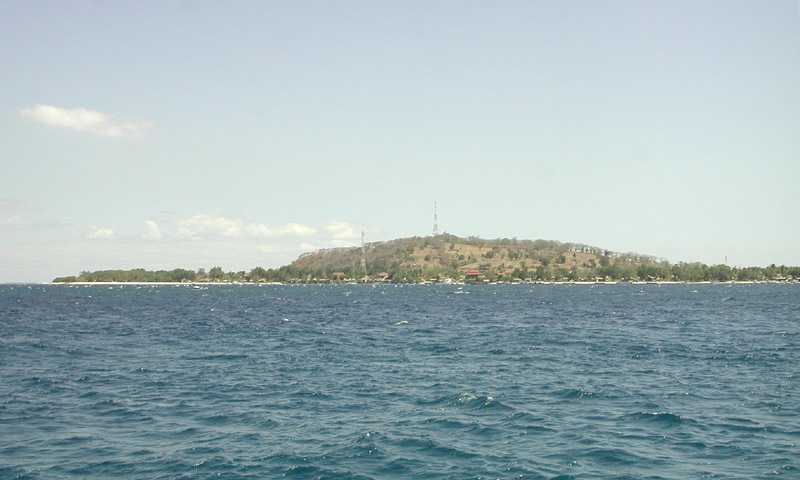


Geography and environment
The island features sandy beaches, coral reefs and shallow lagoons that support diverse marine life, making it a popular spot for snorkeling and scuba diving. Much of the island’s natural setting has been shaped by human use over the last century. Historically the landscape included thicker coastal vegetation and wildlife, and local traditions recall an earlier time when the islets were more forested and hosted wild animals such as deer (forest, deer).
History and settlement
Early permanent residents on Gili Trawangan included fishing and farming families who migrated from other parts of the archipelago, including groups from Sulawesi. Those settlers established livelihoods based on the sea and limited agriculture (fishermen, farmers). Over time the island’s role shifted as tourism developed in the late 20th and early 21st centuries, altering local economies and land use patterns.
Transport and infrastructure
One of Gili Trawangan’s best-known characteristics is the absence of motorized traffic. No cars or motorcycles operate regularly on the island (no motorized vehicles); instead visitors and residents move around by bicycle (bicycles) or by cidomo — a small horse-drawn carriage (cidomo, drawn by horse in a simple carriage). Many bicycles and other rental equipment are offered to tourists by local businesses (rented).
Economy and tourism
The island’s economy is dominated by tourism (economy) and related services. Accommodation, dive shops, restaurants and nightlife are concentrated in accessible areas — the eastern side tends to be the busiest. Tourism makes large-scale agriculture or industry impractical on such a small island, and its remoteness limits other commercial roles (industry, commerce). Access to and from the Gilis is provided by local and commercial boats; visitors normally travel by motorized boats or speedboats to reach the islands (motorized boats, traveling).
Visitors, facilities and notable facts
Gili Trawangan has developed the widest range of tourist facilities among the Gilis (tourist facilities). It is known for its coral dives, beachfront bars and a lively evening scene; various establishments market themselves with international themes, and one pub famously claims to be the smallest island in the world with an Irish bar (Irish). Practical arrangements for tourists emphasize low-impact mobility and marine recreation, while local services continue to adapt to seasonal demand.
Quick facts and tips
- Island group: Gili Islands.
- Primary transport on-island: bicycles and cidomo.
- Arrival: via motorized boats and speedboats from Lombok and Bali (traveling).
- Culture and origins linked to migrants from places such as Sulawesi and broader Indonesian seafaring communities.
Gili Trawangan’s combination of compact size, coral reefs, and a car-free environment makes it a distinctive destination in the Indonesian archipelago. Visitors should be prepared for basic island infrastructure, environmentally conscious tourism practices, and the seasonal rhythms of a community that depends heavily on visitors for its livelihood.
Related articles
Author
AlegsaOnline.com Gili Trawangan: geography, history, transport and tourism Leandro Alegsa
URL: https://en.alegsaonline.com/art/38836