
Gili Islands: overview, geography, tourism and conservation
Small trio of Indonesian islands off Lombok — Gili Trawangan, Gili Meno and Gili Air — known for beaches, reefs, car-free streets, diving and distinct island characters.
Overview
The Gili Islands are a compact archipelago of three small islands located off the northwest coast of Lombok, Indonesia. The local Sasak word gili means "small island," and the group is commonly named for its members: Gili Trawangan, Gili Meno and Gili Air. The cluster sits within the administrative and marine region surrounding Lombok and is a popular destination for international and domestic visitors. For mapped reference see coordinates noted by navigational sources here.
Image gallery
10 Images


Geography and physical characteristics
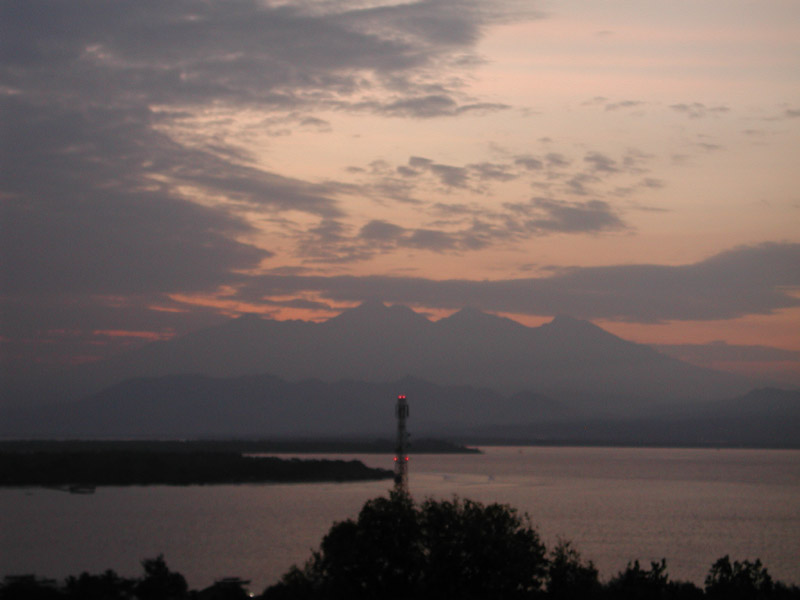
Each island is small, with low-lying terrain, sandy shores and fringing coral reefs that support diverse marine life. Vegetation tends to be sparse in coastal areas and denser toward the interior. Human settlements are concentrated along shorelines where guesthouses, restaurants and small businesses cater to tourists; many local residents live slightly inland. The islands form a distinct archipelago close to Lombok and are accessible by public and private boats from nearby ports.
Transport, infrastructure and daily life
Local regulations prohibit private motorized vehicles on the islands. Movement is primarily by foot, bicycle or the traditional horse-drawn carriage known locally as a cidomo. This car-free rule shapes the islands' atmosphere and limits urban-style infrastructure. Basic utilities and services are present but more limited than on larger islands: water, electricity and waste collection are ongoing management priorities.
Tourism, activities and character of each island
The Gilis attract visitors for beach relaxation, snorkeling, scuba diving and marine encounters. Diving sites around the islands are well known for coral formations, reef fish and frequent sightings of green turtles (Chelonia mydas). Scuba diving and snorkeling operators are abundant and a major part of the local economy; see typical dive information here. Each island has developed a distinct reputation: Gili Trawangan is the largest and most active for nightlife and guest services, Gili Meno is quieter and favored by honeymooners, while Gili Air combines relaxed beach life with easier transport connections to Lombok.
History, development and conservation efforts
The islands were historically small fishing and farming communities before tourism increased in recent decades. Growth brought economic opportunity but also environmental pressures: reef degradation, solid-waste challenges and seasonal freshwater stress. Local authorities, community groups and tourism operators have pursued initiatives to protect reefs, manage waste, limit new construction in sensitive zones and promote responsible visitor behavior. Some projects focus on coral restoration, turtle protection and reducing single-use plastics.
Practical information and distinctions
Travelers typically reach the Gilis by fast boat from Bali or by ferry and speedboat from Lombok; several operators run scheduled services. The islands' car-free policy means visitors should plan for pedestrian travel and expect to pay small fees for cidomo rides or luggage handling. Respect for local customs and attention to marine-safety guidelines enhance the experience. For regional context and administrative links see local resources Lombok and national information Indonesia; additional background on the islands collectively is available from general guides here and transport or mapping references here.
- Popular activities: snorkeling, scuba diving, island-hopping, beach relaxation.
- Best practices: avoid disturbing turtles, follow reef-safe sunscreen guidance, reduce plastic use.
- Notable distinction: the three islands offer different atmospheres—party, quiet, and intermediate—within a short boat ride of each other.
For further reading and practical resources, consult local dive operators, Lombok tourism offices and conservation organizations working in the region. Additional travel notes and seasonal advice can be found through regional guides and official sources here, here and here.
Related articles
Author
AlegsaOnline.com Gili Islands: overview, geography, tourism and conservation Leandro Alegsa
URL: https://en.alegsaonline.com/art/38834