
Mile (unit of length)
A mile is a unit of length historically rooted in the Roman mille passus. The international (statute) mile equals 1,609.344 metres; several regional and historical variants—such as the nautical mile—are also in use.
A mile is a traditional unit of distance with deep historical roots and several modern variants. In everyday use, "mile" most often refers to the statute or international mile, a land-based measure used for road signs, distances and speeds in some countries. The word derives from the Latin mille passus, meaning a thousand paces.
Image gallery
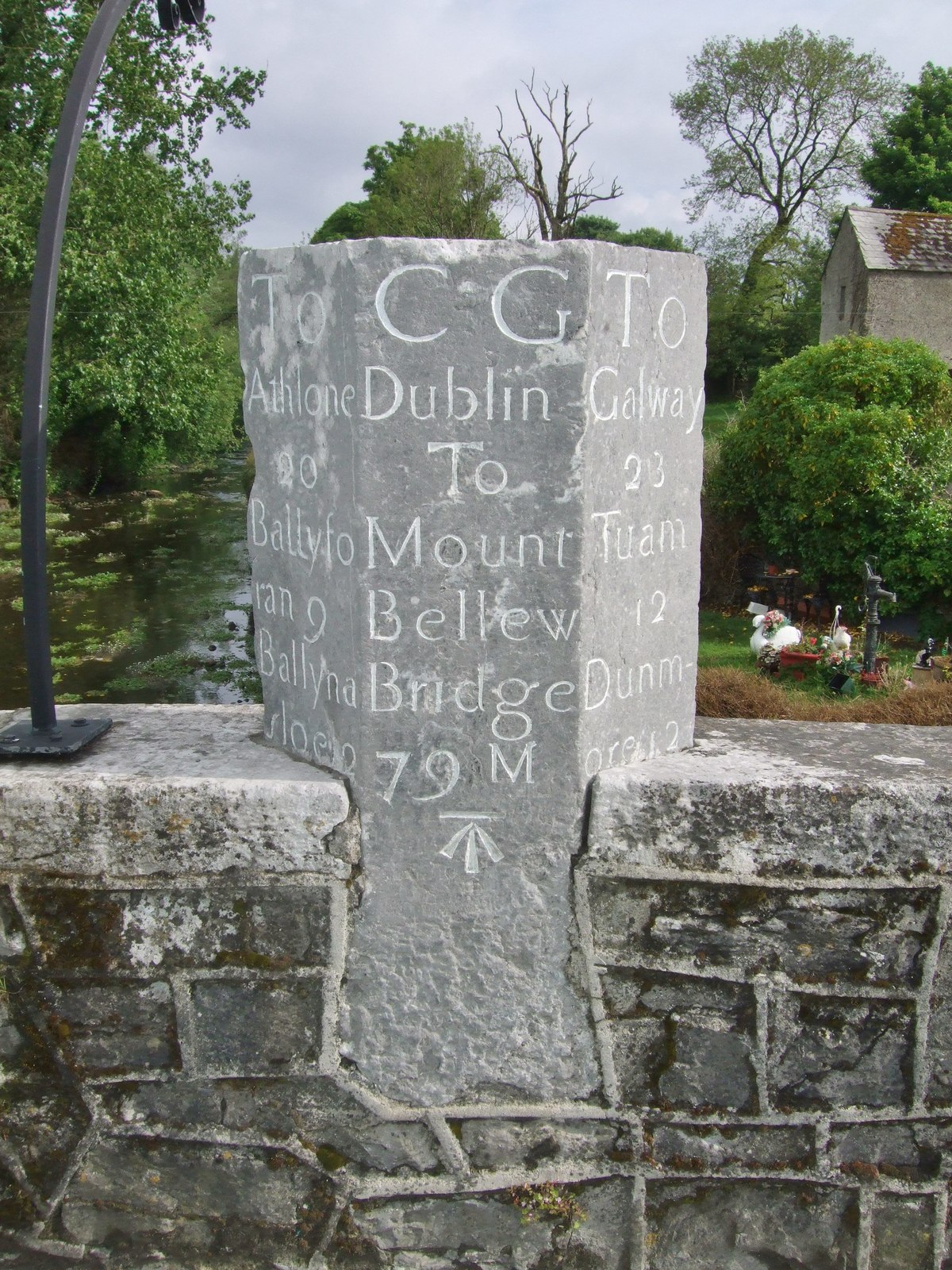
6 Images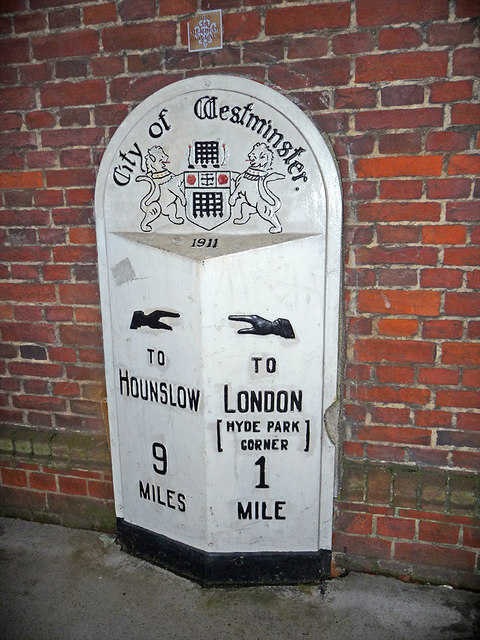



Definitions and common conversions
- International (statute) mile: defined exactly as 1,609.344 metres; equal to 5,280 feet.
- Nautical mile: used in maritime and aviation contexts; defined as exactly 1,852 metres and based on the geometry of the Earth.
- Historical and regional miles: various older forms existed (Roman mile, Irish mile, Scottish mile, etc.) and differed in length; some local variants remained in use into the modern era.
- Abbreviations: commonly written as "mi"; speed in miles per hour is abbreviated "mph."
The statute mile used in most civilian contexts grew out of English measures combining furlongs and feet: a mile equals eight furlongs, and with a furlong historically set at 660 feet, the result is 5,280 feet. The nautical mile, in contrast, relates to one minute of arc along a meridian and serves navigation and charting needs.
Historically, the concept of the mile dates to the Roman mille passus (one thousand double steps). Over centuries, many territories adapted the length according to local standards of surveying and agriculture, producing multiple definitions. Standardization came gradually as nations adopted consistent legal definitions and, in the 20th century, international agreements fixed the conversions to metric units.
Today the mile remains important for road distances and speed limits in the United States and the United Kingdom, and for informal or traditional uses elsewhere. The nautical mile is universal in shipping and aviation. The mile also endures in sport: the mile run is a classic track event with cultural and historical significance (for example, the four-minute mile is a well-known athletic milestone).
When converting between systems, the international mile-to-metre value (1,609.344 m) and the nautical mile (1,852 m) are the standard references. For precise surveying work, regional legacy units and definitions have sometimes produced tiny differences, but for most practical purposes the international definitions are used worldwide.
Related articles
Author
AlegsaOnline.com Mile (unit of length) Leandro Alegsa
URL: https://en.alegsaonline.com/art/64936
Sources
- books.google.com : The proverbs, epigrams, and miscellanies of John Heywood ...