
Kilometre: definition, conversions, history and common uses
The kilometre (km) is a metric unit equal to 1,000 metres. This article covers its definition, common conversions, history, regional usage, spelling variants and everyday comparisons such as walking pace and speeds.
The kilometre (symbol: km) is a metric unit of length equal to 1,000 metres. It is a decimal multiple of the metre and is widely used to express distances that are longer than a few hundred metres but far shorter than astronomical or geological scales. As part of the metric tradition it is commonly employed in mapping, road signage, travel distances and many scientific and engineering contexts. For a general discussion of measurement concepts see unit references; for the contexts in which it typically replaces shorter units see longer distances.
Image gallery
2 Images
Definition and common conversions
By definition, 1 kilometre = 1,000 metres. Useful approximate conversions for everyday use include:
- 1 kilometre ≈ 0.6214 miles (statute mile).
- 1 kilometre ≈ 3,280.8 feet.
- 1 mile ≈ 1.6093 kilometres, a conversion often used when comparing road distances between metric and imperial systems.
- 1 nautical mile, used in marine and air navigation, equals 1,852 metres and is therefore about 1.852 kilometres; it relates to the geometry of the Earth and latitude.
Speeds in countries using the metric system are commonly expressed in km/h (kilometres per hour). The term is sometimes written in American English as "kilometer", while "kilometre" is preferred in many other varieties of English.
History and standards
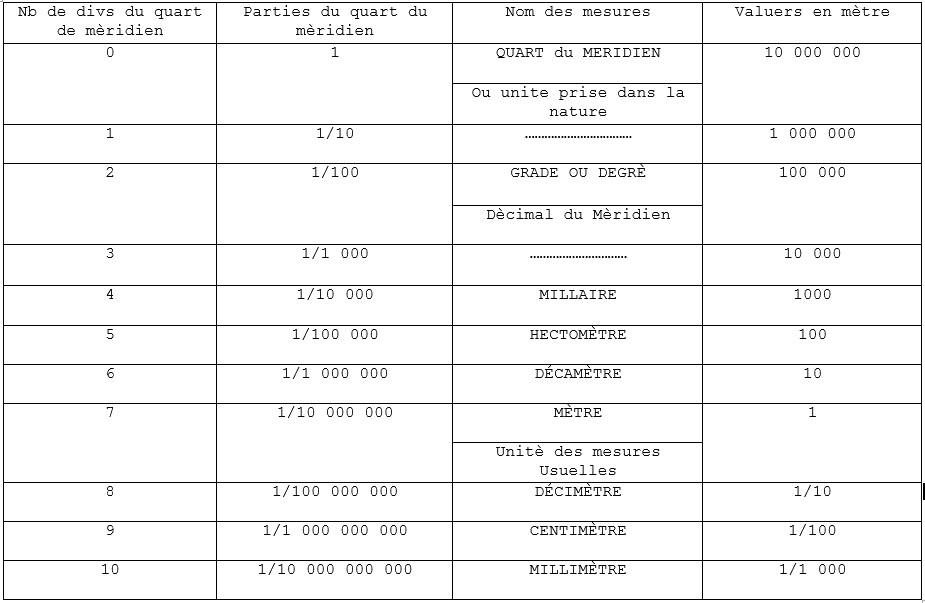
The kilometre developed from the metric system established in late 18th-century France. The original metre was conceived as a natural standard linked to the Earth's meridian; it has since been redefined with progressively greater precision. Since 1983 the metre has been defined by fixing the numerical value of the speed of light in vacuum, and the kilometre inherits that precision through its defined relationship to the metre. The word itself derives from the French "kilomètre" and from Greek roots meaning "thousand" and "measure."
Uses and regional conventions
Most countries use kilometres for road distances, public transport route measures and many consumer applications. A few countries continue to rely on miles for road signage; for example the United States uses the statute mile more commonly for roads, and the United Kingdom continues to present road distances and speed limits in miles in many contexts while using kilometres in others. Aviation and maritime navigation commonly use nautical miles for plotting courses, though local ground distances and maps are often given in kilometres.
Everyday comparisons and informal names
In everyday language a kilometre is a convenient scale for short journeys, exercise and city navigation. A healthy adult walking at a moderate pace will typically cover one kilometre in roughly ten to fifteen minutes; for planning purposes see linked walking pace estimates. In informal or military usage a kilometre is sometimes called a klick or "klicks."
Although simple in concept, the kilometre provides a practical decimal bridge between the metre and larger metric units. For technical reference and international standards consult publications on the unit system and on the modern definitions of the metre.
Questions and answers
Q: What is a kilometre?
A: A kilometre is a common unit used for longer distances on Earth. It is equal to 1000 metres.
Q: What is the international unit for measuring distances?
A: The international unit for measuring distances is the metre.
Q: Is a kilometre used in most countries for measuring road and sea distances?
A: Yes, a kilometre is used in most countries for measuring road and sea distances.
Q: What units of measurement are used in the UK and the USA for road and sea distances?
A: In the UK and the USA, the statute mile is used more than kilometres for road distances and the nautical mile for sea distances.
Q: How is the speed of cars, planes, and boats measured in kilometres?
A: The speed of cars, planes, and boats is measured by saying how many kilometres it can travel in an hour, and this is shown as km/h.
Q: How many miles is one kilometre equal to?
A: One kilometre is equal to 0.6214 miles, 1093 yards, or 3280.84 feet.
Q: How far can a healthy adult human being walk in ten minutes?
A: A healthy adult human being can walk approximately one kilometre in ten minutes.
Related articles
Author
AlegsaOnline.com Kilometre: definition, conversions, history and common uses Leandro Alegsa
URL: https://en.alegsaonline.com/art/53431