
Seedling: the early stage of a plant's life
A seedling is a young plant that emerges from a germinated seed. This article explains its anatomy, growth requirements, common types (e.g., maize, pine), uses in agriculture and forestry, and key differences.
Definition and importance
A seedling is a young plant that has recently emerged from a germinated seed and begun independent growth. Seedlings represent the vulnerable but decisive transition between seed dormancy and mature plant life. For basic identification and further reading see plant and the origin of growth in a seed.

Image gallery
10 Images





Typical structure
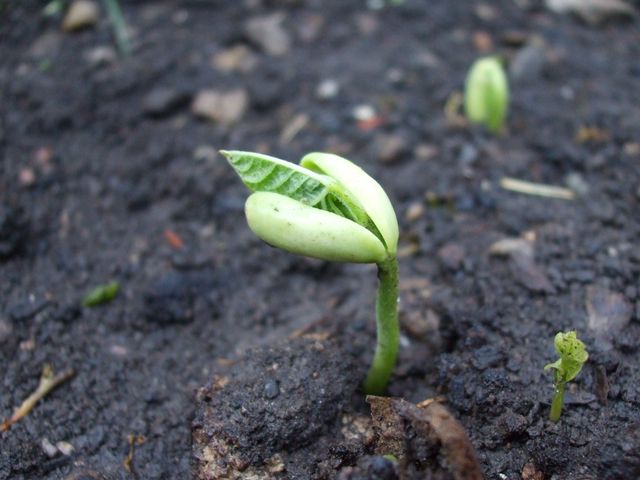
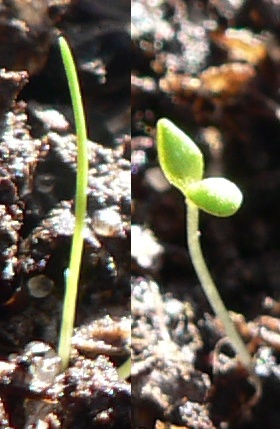
Early seedlings display a small set of recognizable parts. The radicle develops into roots, providing anchorage and water uptake; the hypocotyl lifts the young shoot above the substrate; and the plumule gives rise to the first true leaves. Many seedlings also show cotyledons, seed leaves that supply stored nutrients until photosynthesis is established.

Growth stages and requirements
Successful transition from seed to seedling depends on conditions that break dormancy and sustain growth: appropriate temperature, moisture, oxygen, light and a suitable growing medium. Germination precedes seedling establishment; once photosynthesis begins, the seedling relies less on seed reserves and more on light and soil resources.

Common types and examples
Seedlings vary by species. Monocot seedlings such as cereals (for example maize) tend to have a single cotyledon and a protected shoot structure, while dicot seedlings typically show two cotyledons and a distinct stem-leaf arrangement. See a typical maize seedling and a young pine seedling for contrasts in form and function.


Uses and practical importance
Seedlings are central to agriculture, horticulture, forestry and ecological restoration. Nurseries raise seedlings for transplanting, farmers may transplant seedlings for crop establishment, and foresters plant tree seedlings to regenerate stands. Their health and vigor at planting strongly influence long-term survival and yield.

Notable distinctions and care tips
- Monocot vs. dicot seedling structure and emergence patterns.
- Importance of avoiding damping-off disease through sanitation and adequate airflow.
- Timing of transplanting to reduce shock—usually after true leaves appear and roots fill their container.
Understanding seedlings helps gardeners, farmers and conservationists make informed decisions about sowing, propagation and restoration. Observing early growth gives clues to nutrient needs, pests or environmental stress that can be corrected before larger losses occur.
Related articles
Author
AlegsaOnline.com Seedling: the early stage of a plant's life Leandro Alegsa
URL: https://en.alegsaonline.com/art/88535