
Ginkgo (Ginkgo biloba): the living fossil tree
Ginkgo is a distinctive genus represented today by a single species, Ginkgo biloba, known for fan-shaped leaves, ancient origins, cultural uses, and resilience as a widely planted ornamental.
The ginkgo is a small genus Ginkgo of deciduous trees often cited as a "living fossil." Only one species survives today, Ginkgo biloba, which has been cultivated and naturalized beyond its native ranges. It is native to China and is widely celebrated there; the species is recognized as a national symbol and is listed as a national tree in cultural contexts.
Image gallery
10 Images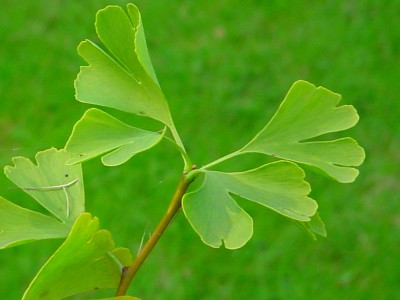




Characteristics
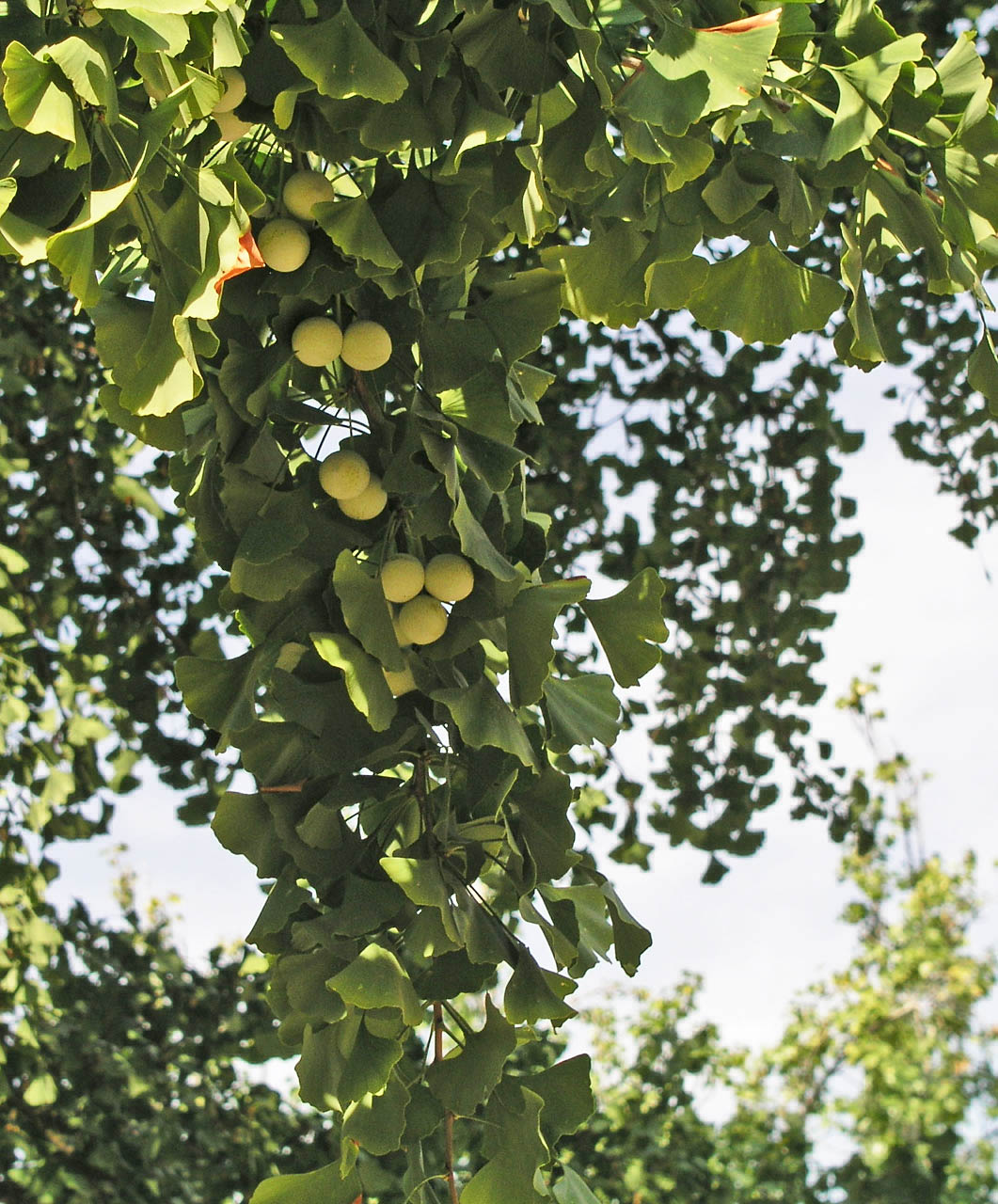
Ginkgo trees are easy to identify by their fan-shaped leaves with dichotomous (forking) veins. The foliage turns a bright yellow in autumn before falling. Ginkgo is dioecious: individual trees are either male or female. Male trees produce pollen cones; female trees bear ovules that develop into seeds surrounded by a fleshy outer layer. This coating has a strong, sometimes unpleasant odor when it decays.
Reproduction and biology
Unlike most seed plants, ginkgo retains a primitive feature: its sperm are motile and have flagella, a trait shared with cycads and unlike the majority of modern seed plants. Seeds (often called "nuts" in culinary use) are produced on female trees and have been eaten in parts of Asia after cooking and processing. Caution is advised with raw seeds and large amounts of supplements, particularly for children.
History and fossil record
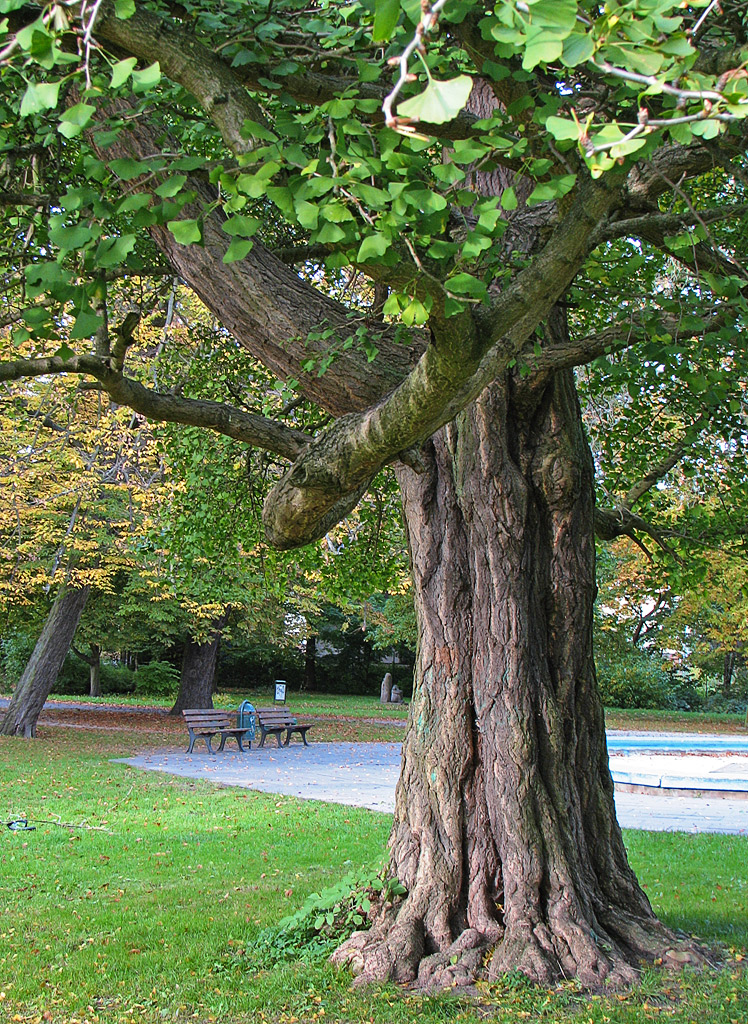
Ginkgo has an exceptionally long fossil record, with related forms known from rocks spanning many geological periods. Because it has persisted with little change for tens or even hundreds of millions of years, it is commonly referred to as a living fossil. Individual trees are long‑lived and resilient; notable specimens survived urban disasters and pollution, including some that lived through the 1945 Hiroshima bombing.
Uses and cultural importance
Ginkgo is widely planted as a street and ornamental tree because of its tolerance to city conditions, compact root habit, and striking autumn color. It figures in traditional Chinese medicine and is the source of extracts used in modern dietary supplements; scientific evidence for some claimed cognitive benefits is mixed. The seeds are used in East Asian cuisines in moderation and prepared forms.
Horticulture and distinctions
- There are many cultivated varieties selected for form, growth habit, and leaf shape; male cultivars are often preferred in urban planting to avoid seed odor.
- Ginkgo is the only living member of its order and has no close living relatives, making it of special botanical interest.
- It is commonly propagated by seed or grafting; mature trees may live for centuries under favorable conditions.
For botanical overviews and cultivation guides see general references on the genus and urban tree care, or consult specialized horticultural resources such as tree databases and regional conservation pages.
Related articles
Author
AlegsaOnline.com Ginkgo (Ginkgo biloba): the living fossil tree Leandro Alegsa
URL: https://en.alegsaonline.com/art/38896
Sources
- nature.com : Nature 423(423): 82
- iucnredlist.org : "The IUCN Red List of Threatened Species"