
Fern: biology, life cycle, habitat, history and human uses
Ferns are non-flowering vascular plants with fronds and spores. This article covers their anatomy, life cycle, ecology, fossil history, uses, and how they differ from mosses and seed plants.
Overview
Ferns are a diverse group of green plants, numbering roughly about 10,000 species in modern floras, that occupy many shaded and moist environments around the world. They belong to a broader assemblage often called Pteridophyta and are true plants rather than fungi or algae. Unlike bryophytes (mosses and their relatives), ferns have specialized vascular tissues that move water and nutrients through the organism.
Image gallery
10 Images




Anatomy and life cycle
Ferns are vascular because they possess xylem and phloem, features that place them among other vascular plants. Their typical body plan includes underground or near-surface rhizomes and roots for anchorage and absorption, and aboveground fronds (the commonly seen leaves). Fern fronds often unfurl from tight coils in a process known as circinate vernation and may have complex divisions.
Reproduction differs from seed plants: ferns do not form seeds. Instead they produce spores from sporangia, typically grouped in sori on the undersides of fronds. Spores give rise to a small, independent gametophyte stage (often called a prothallus) that produces sex cells; fertilization leads to a new sporophyte, the leafy plant normally recognized as a fern. This alternation of generations—sporophyte and gametophyte—is central to fern biology.
Structure, growth forms and adaptations
Ferns show a range of growth habits. Many have creeping rhizomes or aboveground runners called stolons that spread clones. Leaves may be simple or highly divided, and some species live as epiphytes clinging to trees while others form large groundcover. Typical plant parts are roots, stems (often modified into rhizomes), and leaves, but these parts can be arranged and specialized in many ways to suit local conditions.
- Shade tolerance: many ferns thrive in shade where direct sunlight is limited.
- Moisture needs: most prefer humid conditions and frequent precipitation or fog.
- Comparison: more ecologically versatile than moss but generally less adaptable than flowering plants in arid or exposed habitats.
History and classification
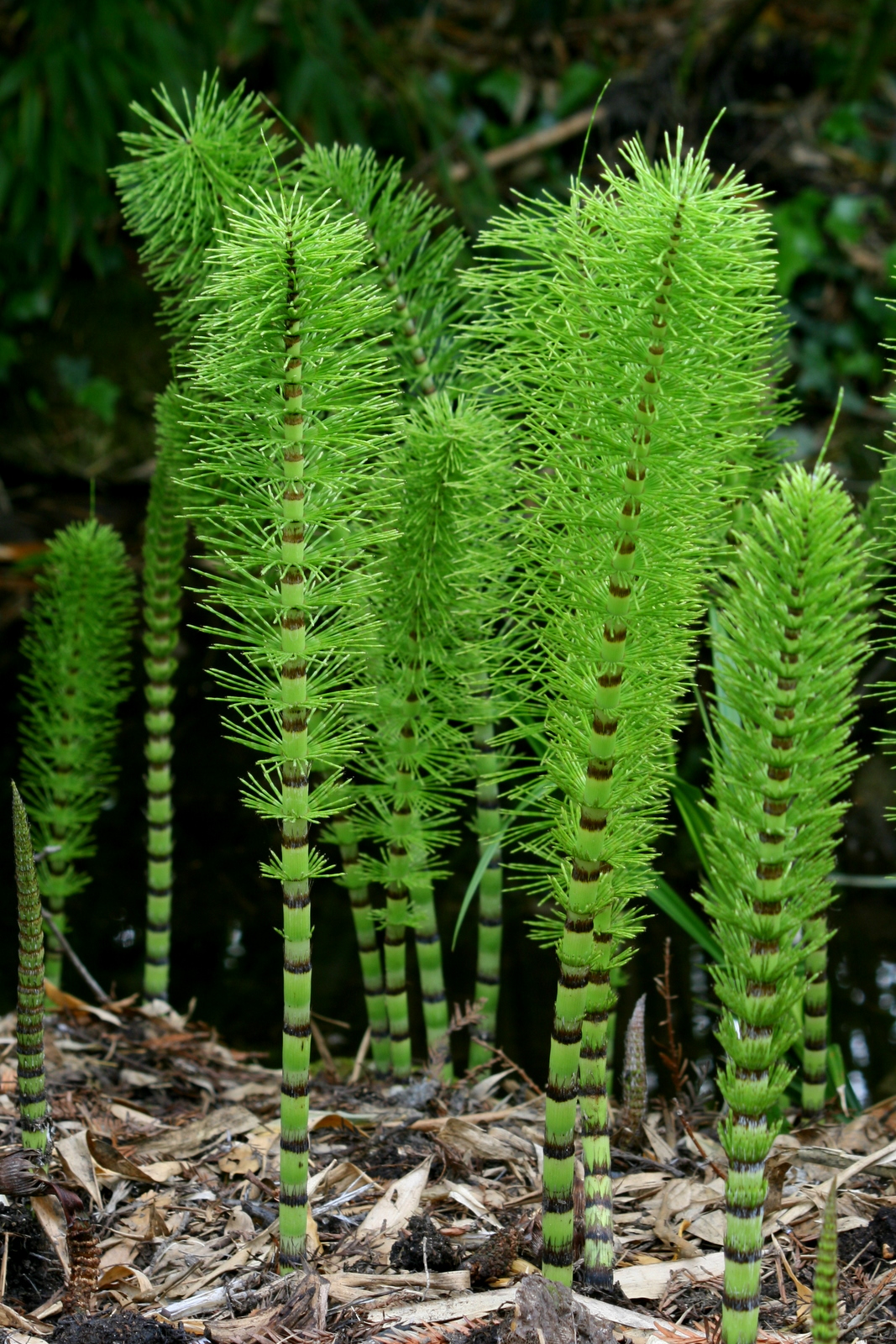
Ferns and their relatives have a deep fossil record. In the late Paleozoic, especially the Carboniferous period, fern-like plants and their kin formed extensive forests and swamps that contributed to major coal deposits. Some groups that were dominant then are now represented by only a few survivors; for example, the ancient line of horsetails was once widespread and included very tall plants, while today a single small genus remains in that lineage.
Most modern ferns fall within a clade often called the Leptosporangiata (or related class names in different systems). Taxonomy has been revised repeatedly as molecular studies refine relationships among fern groups and their relatives.
Uses, cultural notes and caution
Ferns are widely used as ornamental and landscape plants because of their foliage and shade tolerance. Some species provide edible young shoots known as fiddleheads (careful identification and preparation are necessary), while others have historical or local uses for weaving, thatching, or traditional medicine. Ecologically, ferns can stabilize soil and provide habitat for invertebrates and other plants.
Not all ferns are harmless: certain species produce compounds that are toxic or associated with health risks if consumed regularly. Gardeners and foragers should identify species correctly and consult reliable sources before use.
Notable distinctions and facts
- Ferns reproduce by spores, not seeds.
- They possess vascular tissues (xylem and phloem) unlike bryophytes (bryophytes).
- They can spread vegetatively via rhizomes and stolons and occupy niches from forest floors to tree branches.
For further reading on specific fern groups, life cycle illustrations, and horticultural guidance, consult targeted botanical resources and regional floras via links and specialist texts.
Questions and answers
Q: What is the division of ferns?
A: Ferns belong to the division Pteridophyta.
Q: How do ferns differ from bryophytes?
A: Ferns have xylem and phloem, which makes them vascular plants, whereas bryophytes do not have these features.
Q: What class do most ferns belong to?
A: Most ferns belong to the Class Leptosporangiata (or Pteridopsida).
Q: What is special about horsetails?
A: Horsetails belong to another class, the Equisetopsida, which was extremely important in the Carboniferous period and only one genus survives today.
Q: How can ferns survive in more places than mosses but not as many as flowering plants?
A: Ferns do not have waxes or special cells on their surface that keep water from evaporating so they best live in a place where there is a lot of fog or has a lot of rainfall and is in a shade that protects them from direct sunlight. This means they can survive in more places than moss but not so many as flowering plants.
Q: How did ferns reproduce during the Carboniferous period?
A: During the Carboniferous period – from 350 million years ago – ferns reproduced through spores instead of seeds.
Related articles
Author
AlegsaOnline.com Fern: biology, life cycle, habitat, history and human uses Leandro Alegsa
URL: https://en.alegsaonline.com/art/34040
Sources
- nature.com : here
- amjbot.org : here
- paferns.com : paferns.com/
- pryerlab.net : online available