
Conifer (Pinophyta): cone-bearing gymnosperms — overview and uses
Conifers are cone-bearing gymnosperm trees and shrubs in the division Pinophyta. This article covers their features, reproduction, distribution, economic uses, and key genera.
Conifers are a group of seed plants that bear cones rather than flowers and are classified among the gymnosperms. They are best known as cone-bearing seed plants and compose the plant division often called Pinophyta or Coniferophyta. All living conifers are woody and perennial, persisting year to year as trees or, in some species, as shrubs rather than large bole-forming individuals. Most familiar forms are what people call trees.
Image gallery
10 Images
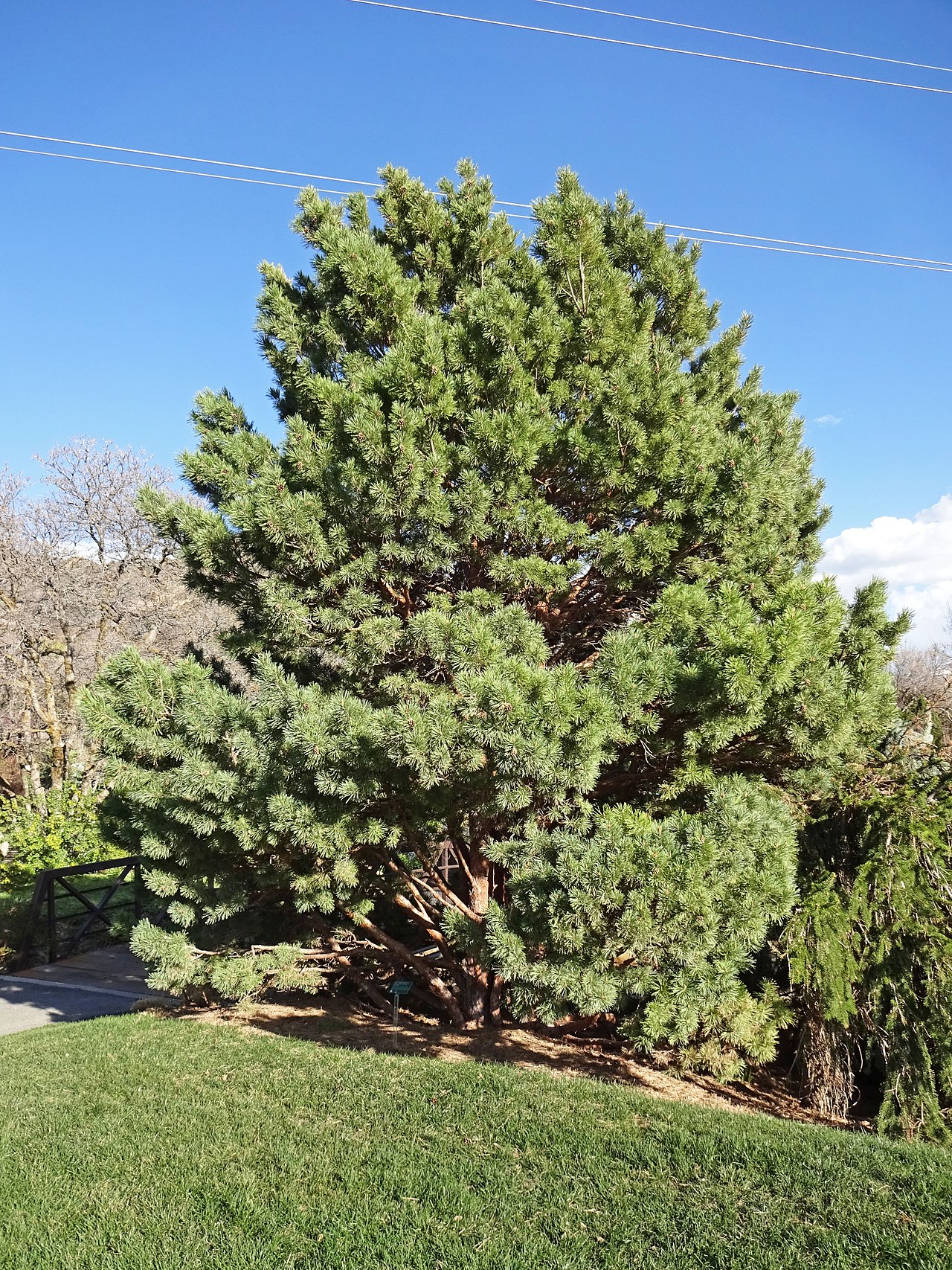


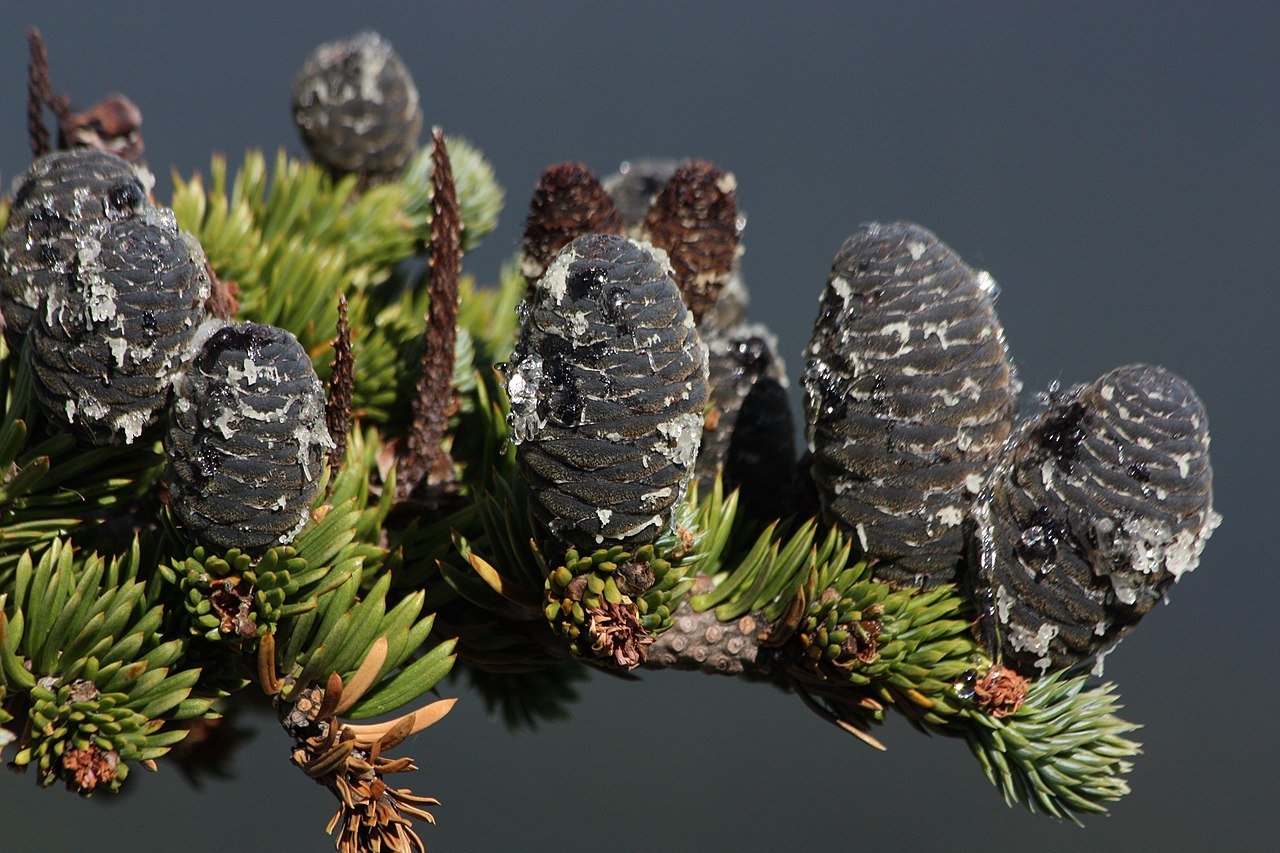
Key characteristics
Conifers display a number of distinctive features. Leaves tend to be needle- or scale-like, an adaptation that reduces water loss and helps many species thrive in cold or dry climates. Their reproductive structures are typically distinct male and female cones: pollen is produced in small male cones and seeds develop in larger female cones. Many conifers produce resinous sap that can protect tissues and has been used by humans. Wood from conifers is commonly termed softwood, though mechanical properties vary (for example yew wood is relatively hard).
Diversity and classification
Living conifers are placed largely in the order Pinales. Typical and economically important genera include pines, spruces, firs, cedars, cypresses, junipers, kauris, larches, redwoods, and yews. Estimates place the number of living species at roughly several hundred (commonly cited around 700), reflecting both widespread and narrowly endemic taxa; see species counts for details.
Distribution, habitats, and ecological role
Conifers occur across much of the globe, from temperate mountains to boreal forests and montane tropics. In many regions they dominate forest cover; for example, vast stretches of the northern hemisphere are occupied by coniferous forest known as the taiga. Their adaptability to poor soils, cold winters, and seasonal droughts makes them important in stabilizing soils, providing habitat, and supporting forest faunas. They are often the most abundant plants in particular habitats.
Human uses and economic importance
- Timber and construction: large conifers yield lumber used in building and furniture; their wood is a primary source of softwood products.
- Pulp and paper: fiber from many conifers is a main raw material for the paper industry (paper-making).
- Resins and chemicals: conifer resins and extracts have traditional and industrial uses, from adhesives to turpentine.
- Horticulture and cultural uses: ornamental species, Christmas trees, and culturally significant trees (e.g., monumental redwoods).
History and notable facts
Conifers have a long fossil record and were especially prominent in some Mesozoic landscapes. While they do not produce flowers, their reproductive biology—wind-dispersed pollen and cone-borne seeds—has proven highly successful in many climates. Botanists distinguish conifers from other gymnosperms by combinations of leaf form, cone structure, and wood anatomy. For accessible introductions and taxonomic treatments consult specialist resources or educational portals using entries such as gymnosperms overview and Pinophyta.
Note: Further reading and species guides are available through dedicated botanical references and regional floras; for example, look up genus-level accounts like Pinus and Picea, or conservation summaries for threatened conifers.
References and links: cones, seed plants, perennial growth, tree habit, shrub forms, Pinales order, cedar, cypress, fir, juniper, kauri, larch, Sequoia, Taxus, habitats, taiga, paper, softwood, species total.
Questions and answers
Q: What are conifers?
A: Conifers are gymnosperms, which are cone-bearing seed plants that are woody and perennial.
Q: What is the Division Pinophyta or Coniferophyta?
A: It is the division that includes all living conifers and they are in the order Pinales.
Q: Can conifers be found all over the world?
A: Yes, species of conifers can be found in almost all parts of the world.
Q: Which are the typical examples of conifers?
A: Typical examples of conifers include cedars, cypresses, firs, junipers, kauris, larches, pines, redwoods, spruces, and yews.
Q: What is the economic value of conifers?
A: Conifers have great economic value because their wood is mainly used for timber and paper-making.
Q: What is the wood of conifers commonly referred to as?
A: The wood of conifers is commonly referred to as softwood, except for yew wood which is actually quite hard.
Q: How many living species are there in the division Coniferae?
A: The division Coniferae contains about 700 living species.
Related articles
Author
AlegsaOnline.com Conifer (Pinophyta): cone-bearing gymnosperms — overview and uses Leandro Alegsa
URL: https://en.alegsaonline.com/art/22528
Sources
- books.google.com : books.google.com/books?id=QGmO_CtTPAEC&pg=PA13&dq=