
Embryo — early stage of development in animals, plants, and other organisms
An embryo is the initial developmental stage after fertilization, from the first cell divisions through major body-plan formation. This article outlines stages, processes, study, and biological significance.
An embryo is the initial multicellular stage that develops from a fertilised egg or egg cell and continues until a later life stage such as birth, hatching or germination. The single cell produced at fertilization is usually called a zygote, which undergoes repeated cell division to form a multicellular embryo. The term applies across many groups of living things, including plants, animals and some protists, although the timing and observable stages differ between taxa.
Image gallery
5 Images
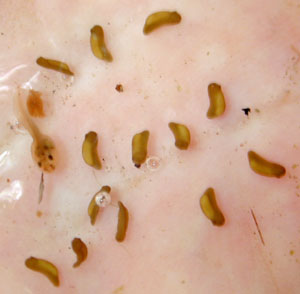
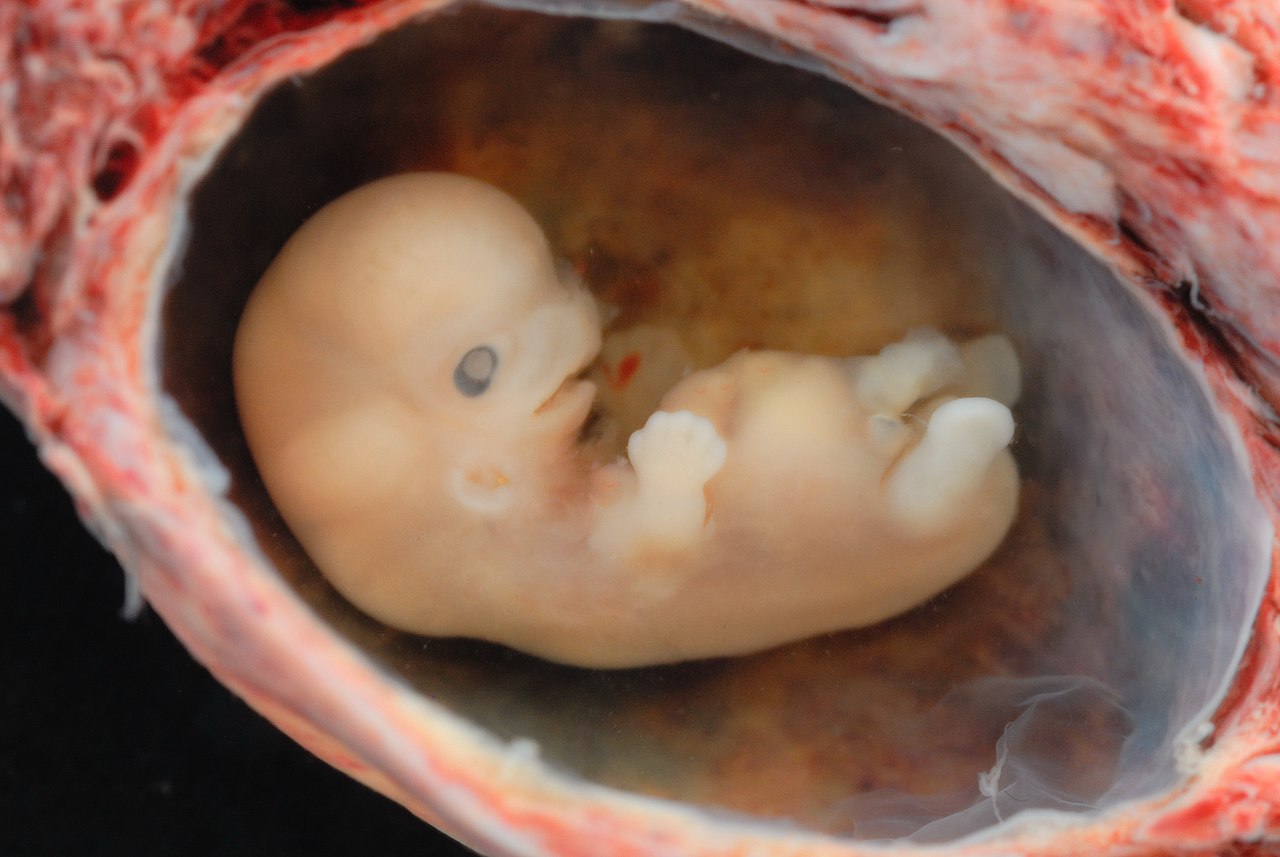


Overview of embryogenesis
Embryogenesis is the sequence of events and processes by which the zygote becomes an organized multicellular body. In sexually reproducing organisms that reproduce sexually, a sperm fertilizes an egg cell to combine genetic material in a single cell. That cell contains DNA from both parents and divides by mitosis to produce the many cells of the embryo. Development is guided by interactions among cells, gene expression, and physical forces that shape tissues and organs.
Typical stages and processes
- Fertilization: union of gametes produces the zygote and establishes the initial genome.
- Cleavage: rapid mitotic divisions that increase cell number without large growth in size.
- Blastula or blastoderm: a hollow or layered ball of cells that defines an outer layer and internal cavity in many animals.
- Gastrulation: cells migrate to form distinct germ layers that will give rise to tissues.
- Neurulation and organogenesis: formation of the nervous system and major organs through coordinated cell movements and differentiation.
- Morphogenesis and tissue differentiation: shaping of form (morphogenesis) and specialization of cells into tissues (tissue differentiation).
The exact sequence, duration and visible features vary: for example, many plants proceed to a seed stage and later germination, while birds and reptiles have embryos that develop inside eggs and later hatch. In humans, the term "embryo" is commonly used until about eight weeks after fertilization, after which the developing individual is called a foetus.
Study and practical importance
The scientific study of embryos is called embryology, a branch of developmental biology that investigates how cells form structures and how genetic and environmental factors influence development. Embryological knowledge underpins medical fields such as prenatal care, reproductive technologies (for example, in vitro fertilization), teratology (study of developmental abnormalities), and regenerative medicine. In agriculture and conservation, understanding embryonic development helps improve breeding, seed production and the care of endangered species.
There are important distinctions across life forms: some organisms develop externally in eggs, others develop internally and are born live, and some life cycles include multiple larval or juvenile stages before reaching adult form. Ethical, legal and social considerations also surround the use and manipulation of embryos in research and clinical practice, and these vary by jurisdiction and cultural context.
In summary, the embryo is a foundational biological stage during which body plans, organ systems and cell specializations are established. Its study reveals fundamental principles of biology and has wide applications in medicine, agriculture and environmental science.
Related articles
Author
AlegsaOnline.com Embryo — early stage of development in animals, plants, and other organisms Leandro Alegsa
URL: https://en.alegsaonline.com/art/31094
Sources
- britannica.com : "Embryo (Human and Animal)"