
Gabriel García Márquez: life, major works, and literary legacy
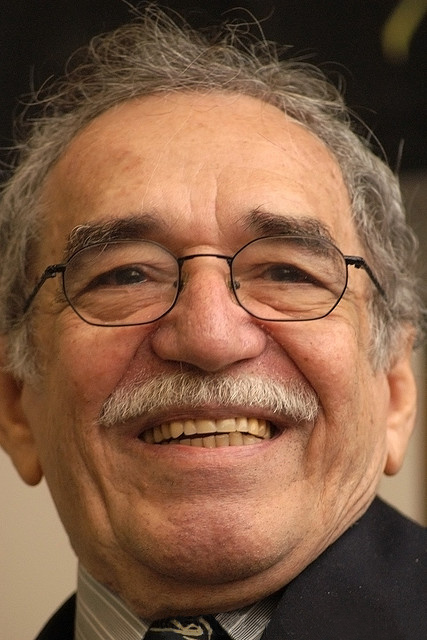
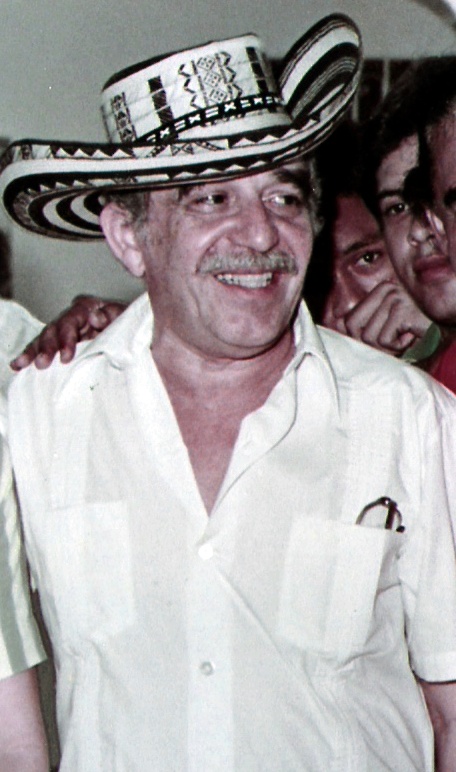
Colombian novelist and journalist Gabriel García Márquez (1927–2014), Nobel laureate known for One Hundred Years of Solitude, magical realism, and his influence on 20th-century literature.
Overview
Gabriel José de la Concordia García Márquez (March 6, 1927 – April 17, 2014), often called "Gabo," was a Colombian writer whose novels, short stories and journalism brought Latin American literature to a global audience. He worked as a journalist and as a screenwriter, and he is widely associated with the literary movement that combined realistic narrative with extraordinary events. In 1982 he received the Nobel Prize in Literature, awarded for works in which "the fantastic and the realistic are combined in a richly composed world of imagination, reflecting a continent's life and conflicts."
Image gallery
10 Images




Life and career
García Márquez was born in Aracataca, a small town on Colombia's Caribbean coast, and his childhood there profoundly shaped his imagination. He trained initially in law and journalism before choosing to pursue a writing career; his early work included reporting, short fiction and scripts. He spent much of his adult life in Mexico City, where he lived with his wife, Mercedes Barcha, and continued to write and edit. In later years he reduced his public activity and published his last book in 2004; he officially retired in 2008. From about 2012 he suffered from Alzheimer's disease and he died in Mexico City in 2014 from complications of pneumonia.
Major works
García Márquez produced novels and short stories that became central texts of 20th-century literature. His best-known titles include:
- One Hundred Years of Solitude (1967) — a multi-generational epic set in the fictional town of Macondo.
- The Autumn of the Patriarch (1975) — a meditation on power and despotism.
- Love in the Time of Cholera (1985) — a novel about enduring love and memory.
- Chronicle of a Death Foretold and other shorter works that show his range within realistic storytelling.
Themes, style and significance
García Márquez's fiction often blends social observation with the improbable. He is most closely associated with magical realism, a mode that treats extraordinary occurrences as ordinary events. His writing frequently explores solitude, historical memory and the tensions of modern life in Latin America. Satire and critique of political structures appear alongside depictions of love, family and communal violence; critics note his treatment of satire, violence and the moral consequences of power. Even when grounded in realism, his narratives permit flashes of the miraculous that deepen emotional and symbolic meaning.
Legacy and reception
García Márquez's influence extends beyond literature into popular culture, film and political discussion. "One Hundred Years of Solitude" in particular is credited with helping to bring Latin American literature to an international readership during the so-called Latin American Boom. The Nobel Prize amplified his global stature and encouraged translations of his work into many languages. He is remembered both for his distinctive narrative voice and for the ways his stories examine history, identity and the human imagination.
Further reading
Readers seeking more can consult biographies, critical essays and collected journalism that document his life in Mexico City and his origins in Colombia. Primary texts and reliable critical surveys remain the best sources for understanding his contribution to world letters.
Questions and answers
Q: What was Gabriel José de la Concordia García Márquez also known as?
A: He was also known as Gabo.
Q: When was he born and when did he die?
A: He was born on March 6, 1927 and died on April 17, 2014.
Q: Where was he concieved?
A: He was concieved in Aracataca, a small town in Colombia.
Q: What did he originally study to become?
A: He originally studied to become a journalist.
Q: What were his books mainly about?
A: His books were mainly about satire, solitude, magic realism, realism, and violence.
Q: When did Márquez win the Nobel Prize in Literature?
A: He won the Nobel Prize in Literature in December 1982.
Q: When did Márquez write his last book?
A: He wrote his last book in 2004.
Related articles
Author
AlegsaOnline.com Gabriel García Márquez: life, major works, and literary legacy Leandro Alegsa
URL: https://en.alegsaonline.com/art/37159