
Journalist: roles, types, history and modern practices
An overview of journalists: what they do, common types, skills and ethics, historical development, and how the profession adapts to digital media and public accountability.
A journalist is a professional who gathers, verifies, writes, edits and distributes information for public consumption. Working within the field of journalism, journalists aim to report the news, explain events, and hold institutions to account. They may be staff members at media outlets or operate independently as freelancers. While many functions overlap, the role requires a mix of inquiry, clear writing, timely distribution and an awareness of the audience and legal context.
Image gallery
10 Images


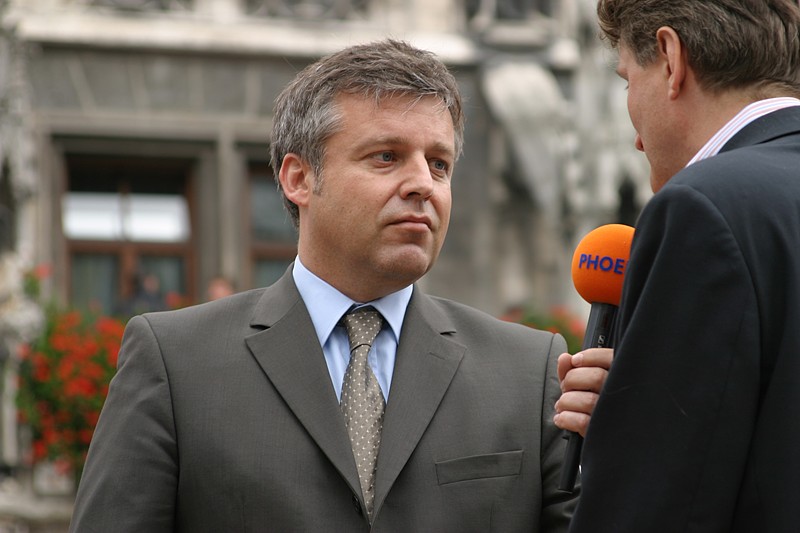


Common types and roles
Newsrooms and media organizations contain many specialized roles. Each role focuses on different stages of producing content and on different platforms:
- Reporters — collect facts, interview sources, and produce news stories for print, online or broadcast; associated with newspapers and digital news sites.
- Broadcast journalists — present and produce material for radio and television, often working to combine words, sound and visuals for live or recorded programming.
- Investigative journalists — pursue in-depth research to uncover wrongdoing or systemic problems, relying on documents, data and confidential sources.
- Photojournalists and multimedia journalists — use photography, video and audio to tell stories; increasingly expected to produce content suitable for web and social platforms.
- Editors, fact-checkers and copy editors — shape content, verify information and ensure clarity, accuracy and legal compliance before publication.
- Columnists and commentators — offer analysis, interpretation or opinion; their work is explicitly subjective and distinct from straight news reporting.
Across these roles, basic methods include researching primary and secondary sources, using public records, and conducting interviews. Journalists rely on skills such as note-taking, source evaluation, transcription, and digital research; many also work with data and mapping tools to reveal patterns in complex information.
History and evolution
The profession traces its roots to early newspapers and pamphlets, expanded through the twentieth-century rise of radio and television, and transformed again with the internet and social media. The digital era has sped up news cycles, broadened access to publishing, and enabled new forms such as livestreaming and citizen contributions. These changes have increased the need for rapid verification and new editorial practices while creating opportunities for niche reporting and direct audience engagement.
Training pathways vary: formal degrees in journalism, communications or related fields; apprenticeships, internships and on-the-job mentoring; and continuing professional development for multimedia and investigative techniques. Ethical standards and best practices are taught widely, often emphasizing verification, sourcing and the distinction between reporting and commentary.
Ethics, law and public importance
Journalists operate under ethical principles such as accuracy, independence, transparency and minimizing harm. A core expectation is truthful reporting, and many organizations have formal codes that guide conduct. Legal issues such as defamation, contempt and source protection shape how stories are prepared and published in different jurisdictions. At the same time, the profession grapples with challenges: accusations of bias, efforts to preserve objectivity, and the need to correct errors publicly.
Good journalism serves several civic functions: informing citizens, investigating abuses of power, amplifying voices that might otherwise be ignored, and providing context for complex issues. Trust and credibility are built through careful sourcing, corroboration and a commitment to the public interest rather than personal advantage. This practice depends on a social and legal environment that protects press freedom while holding journalists accountable for accuracy and fairness.
Contemporary challenges and outlook
Modern journalists confront a mix of opportunities and pressures. Digital distribution enables wider reach and innovative storytelling formats, but economic strain on traditional outlets has led to newsroom downsizing and shifts to alternative business models. The rise of misinformation and the velocity of online content increase the demand for research and rigorous reporting. Ethical interviewing techniques and source handling—skills such as careful interviewing—remain central. Professionals who uphold principles like speaking the truth while distinguishing analysis from fact help sustain the role of journalism in democratic life.
Questions and answers
Q: What is a journalist?
A: A journalist is a person who works in journalism to report the news. They may work on their own ("freelance") or for a newspaper, radio or television programme.
Q: What are the different types of journalists?
A: The different types of journalists include reporters, who research, write and report information; and newspaper reporters, who write news articles and stories for newspapers.
Q: How do reporters get their information?
A: Reporters get their information by interviewing people, asking questions and doing research.
Q: Is it important for journalists to tell the truth in their reports?
A: Yes, telling the truth is a very important part of all journalism jobs. Those who do not tell the truth may be punished like other workers who do not do their work. They can be suspended (do not work for a short time) or fired (losing their jobs).
Q: Does news reporting always show objectivity?
A: No, frequently news reporting does show bias instead of objectivity.
Related articles
Author
AlegsaOnline.com Journalist: roles, types, history and modern practices Leandro Alegsa
URL: https://en.alegsaonline.com/art/51295
Sources
- Journalists
- books.google.com : The Handbook of Journalism: All about Newspaper Work
- books.google.com : A Yankee in Meiji Japan: The Crusading Journalist
- books.google.com : The Universal Journalist
- worldcat.org : OCLC 43481682
- books.google.com : Fifty Years a Journalist
- worldcat.org : OCLC 1520155
- books.google.com : Asking for Trouble: Autobiography of a Banned Journalist
- worldcat.org : OCLC 6864121