
Alzheimer's disease: overview, causes, symptoms, treatment, and history
Comprehensive overview of Alzheimer's disease: its pathology, symptoms, diagnosis, treatment options, risk factors, prevention strategies, epidemiology, caregiving and historical background.
Alzheimer's disease is a progressive neurodegenerative brain disorder that gradually impairs memory, thinking, language and the ability to perform everyday tasks. It is the most common cause of dementia in older adults and is distinguished from normal age-related memory changes by its progressive course and underlying brain pathology. The condition typically advances through stages from mild cognitive impairment to severe dementia, altering independence, behavior and the need for care.
Image gallery
10 Images




Pathology
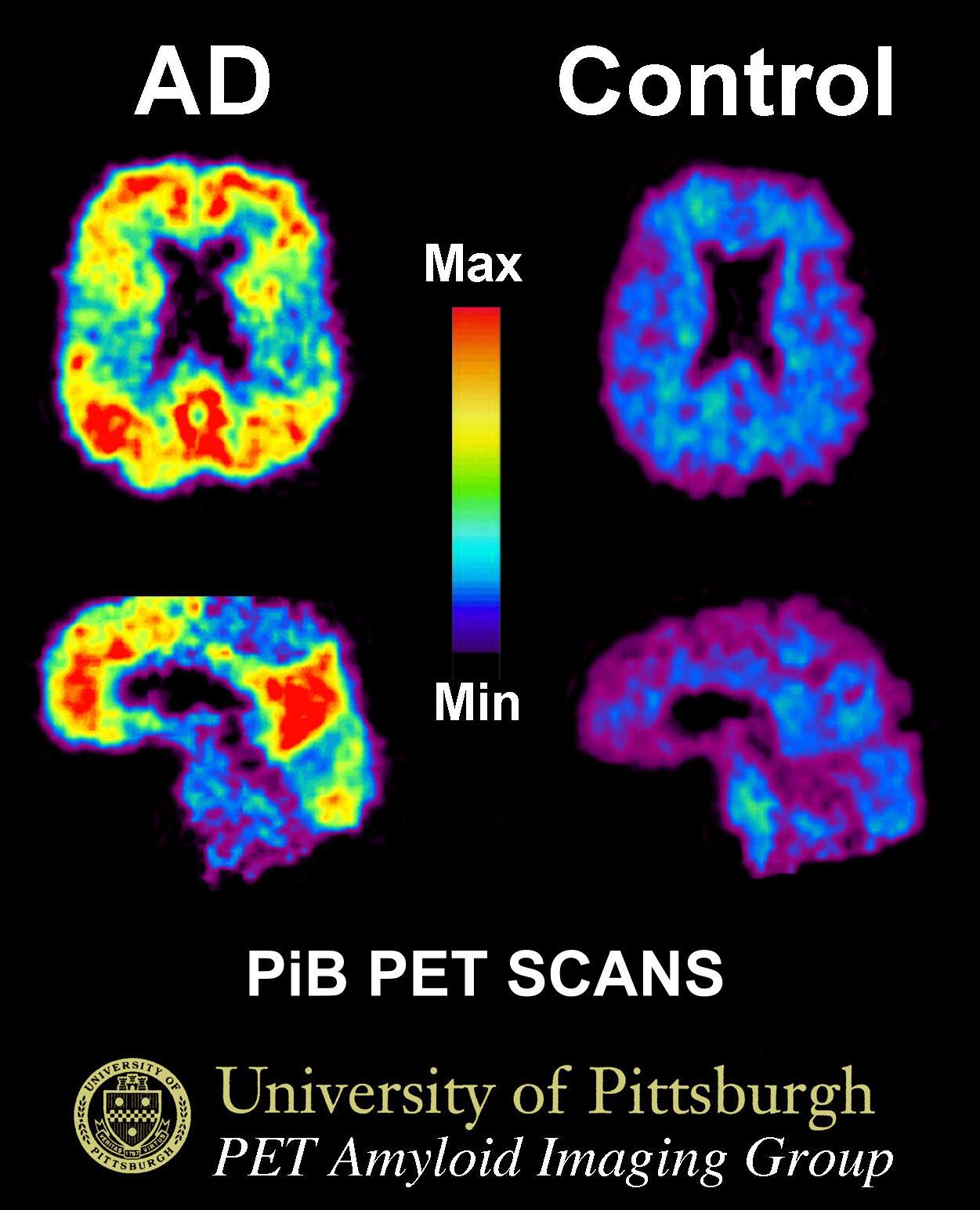
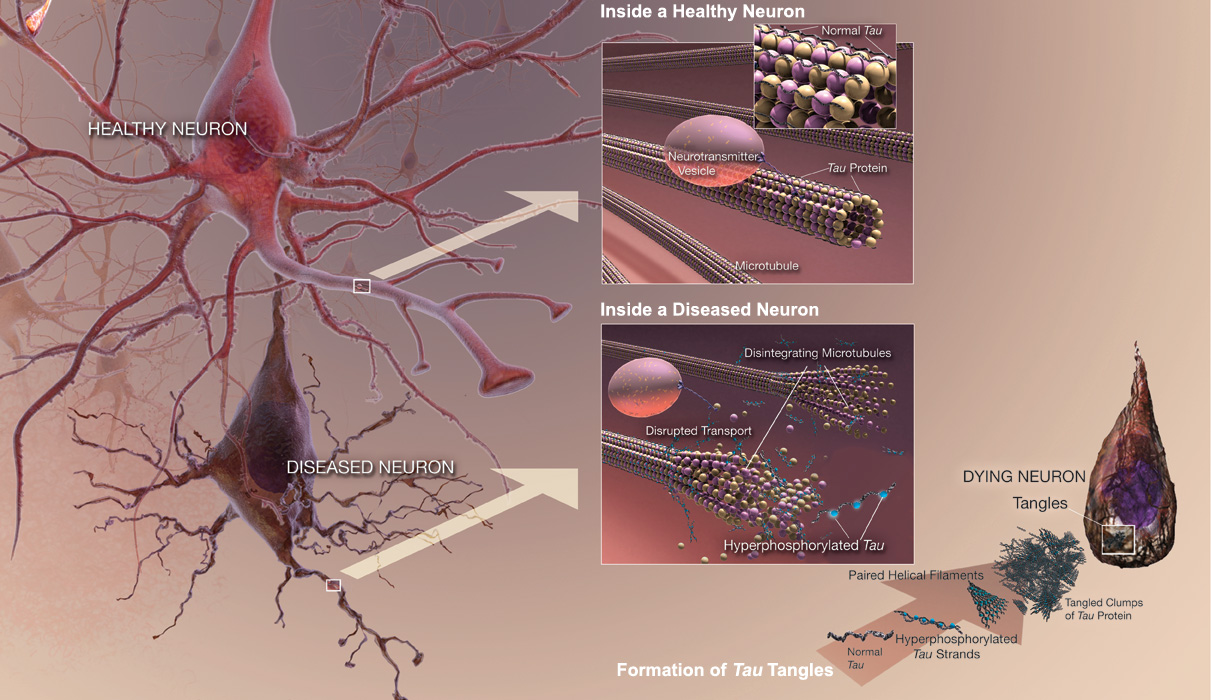
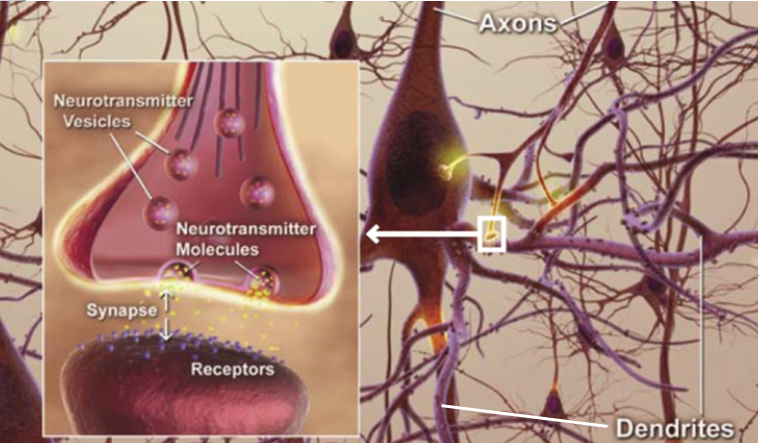
At the microscopic level, Alzheimer's disease is associated with two characteristic changes: extracellular deposits of beta-amyloid protein known as amyloid plaques, and abnormal intracellular accumulations of tau protein that form neurofibrillary tangles. These changes are linked to progressive loss of neurons and synapses, most noticeably in the hippocampus and cortical regions important for memory and language. Vascular disease, inflammation and other molecular processes also contribute to neuronal dysfunction and symptom progression.
Causes and risk factors
The exact cause of Alzheimer's remains incompletely understood; it is best viewed as a multifactorial disorder. Risk is influenced by age, genetics and environmental or lifestyle factors. Rare inherited mutations in APP, PSEN1 and PSEN2 can cause early-onset familial forms, while variation in the APOE gene, in particular the e4 allele, increases the risk of later-onset disease. Other contributions include cardiovascular health, history of head injury, diabetes, smoking and insufficient physical or cognitive activity. For general risk information see risk factor guidance.
Symptoms and clinical course
Early symptoms commonly include difficulty remembering recent events, repeating questions, trouble finding words and reduced ability to learn new information. As the disease progresses, people may develop disorientation, impaired judgment, mood and behavior changes, language difficulties and loss of the ability to manage personal care. The rate of decline varies between individuals. Some develop additional neurological signs such as movement problems or hallucinations when other pathologies coexist.
Diagnosis
Diagnosis is primarily clinical and relies on history, cognitive testing and neurologic examination. Structural imaging (MRI, CT) helps rule out other causes such as stroke or mass lesions; molecular imaging (FDG-PET, amyloid and tau PET) and cerebrospinal fluid tests can provide biomarker evidence that supports the diagnosis in selected cases. Accurate diagnosis also involves assessing functional impact and excluding reversible contributors such as medication effects, metabolic disturbances or depression.
Treatment and management
There is currently no cure for Alzheimer's disease. Available medications—cholinesterase inhibitors and NMDA receptor antagonists—may offer modest symptomatic benefits for some individuals. Research into disease-modifying therapies that target amyloid, tau and other pathways is active; some immunotherapies and novel agents have undergone clinical trials with varied results. Comprehensive care emphasizes safety, symptom management, caregiver support and planning for progressive needs.
Nonpharmacological strategies play a major role: structured routines, cognitive stimulation, physical activity, management of sleep and behavioral symptoms, and support for daily living can improve quality of life. Practical prevention and risk-reduction measures that benefit brain and cardiovascular health include regular exercise, a balanced diet, social engagement and control of blood pressure and diabetes; see prevention resources for accessible guidance.
Epidemiology and impact
Alzheimer's disease affects millions worldwide and is a leading cause of disability and dependency in older people. Prevalence rises with age, and the condition places long-term demands on families, caregivers and health systems. Public health efforts aim to improve early detection, expand support services and invest in research to discover treatments that can alter disease progression rather than only relieve symptoms.
Caregiving and support
Care for people with Alzheimer’s often requires a multidisciplinary approach involving primary care, neurology, psychiatry, social work and allied health professionals. Caregiver education, respite services and community resources are essential to maintain safety and quality of life. Legal and financial planning early after diagnosis helps families make future arrangements for decision-making and care.
History
The disease was first described by the German psychiatrist and neuropathologist Alois Alzheimer after he examined the clinical course and brain tissue of a patient, Auguste Deter, in 1906. His observations of clinical decline together with distinctive microscopic findings—neuritic plaques and neurofibrillary tangles—formed the foundation for understanding the disorder. The eponym "Alzheimer's disease" entered medical use shortly thereafter and has guided more than a century of research and clinical care.
Research directions
Contemporary research spans basic science, biomarker development, clinical trials of disease-modifying therapies and implementation studies to improve diagnosis and care delivery. Investigations explore how amyloid, tau, inflammation, vascular factors and lifestyle interact over decades to produce clinical symptoms. Early detection and interventions in preclinical stages are of particular interest because they may offer the best opportunity to slow or prevent symptomatic disease.
For introductory overviews and practical information for patients, families and caregivers, consult reputable medical organizations and specialist advocacy groups that provide accessible, evidence-based materials. Clinical teams can also advise on local services, clinical trials and supports tailored to individual needs.
Further reading and resources are available from medical libraries and dementia support organizations; for general background on brain disorders see information on dementia and for clinical care pathways consult professional guidance at clinical resources.
Questions and answers
Q: What is Alzheimer's Disease?
A: Alzheimer's Disease (AD) is a brain disease that slowly destroys brain cells and currently has no cure. It affects different parts of the brain, particularly those controlling memory, language, and thinking skills.
Q: How common is Alzheimer's Disease?
A: Alzheimer's Disease is the most common form of senile dementia accounting for up to 70% of cases. The current lifetime risk for a 65-year-old person to get Alzheimer's disease is estimated to be at 10.5%. In 2007, there were more than 26.6 million people throughout the world who were affected by AD.
Q: Are there treatments available for Alzheimer's Disease?
A: While there is no cure for Alzheimer's, there are treatments that can help some patients with the signs and symptoms so they do not affect them as badly. There are also treatments which slow down the disease so the damage to the brain does not happen as quickly. There are also certain personal habits that people can learn which may help to delay the onset of the disease.
Q: Who discovered Alzheimer’s Disease?
A: The disease was named after Alois Alzheimer, a German psychiatrist and neuropathologist who first described it after studying a patient in Frankfurt, Germany in 1906. The disease was named "Alzheimer’s" in 1910 by Dr Emil Kraepilin, a co-worker of Alois'.
Q: What are some risk factors associated with developing AD?
A: Some risk factors associated with developing AD include genetic changes; four different genes have been found which increase one’s risk of getting it. Age is another factor; clinical symptoms usually occur after age 65 but changes in the brain caused by AD may begin years or even decades before then.
Q: Is it normal for older people to develop this type of dementia?
A: No - although symptoms typically begin in older people it is not considered part of normal aging process and should not be assumed as such if noticed in an elderly individual or family member/friend..
Related articles
Author
AlegsaOnline.com Alzheimer's disease: overview, causes, symptoms, treatment, and history Leandro Alegsa
URL: https://en.alegsaonline.com/art/3184
Sources
- ncbi.nlm.nih.gov : PMID 19595937
- cnn.com : "Alzheimer's Disease Fast Facts"
- ncbi.nlm.nih.gov : ncbi.nlm.nih.gov/books/NBK9932/
- ncbi.nlm.nih.gov : PMID 7566337
- ncbi.nlm.nih.gov : PMID 19822028
- ncbi.nlm.nih.gov : PMID 17478012
- csl.psychol.cam.ac.uk : csl.psychol.cam.ac.uk
- ncbi.nlm.nih.gov : ncbi.nlm.nih.gov/pmc/articles/PMC486198/pdf/jnnpsyc00013-0099.pdf
- ncbi.nlm.nih.gov : PMID 21514248
- alz.org : World Wide Alzheimer's Disease Neuroimaging Initiative (WW-ADNI)
- brain.oxfordjournals.org : The Effects of Very Early Alzheimer's Disease on the Characteristics of Writing by a Renowned Author
- dx.doi.org : 10.1093/brain/awh341
- ncbi.nlm.nih.gov : PMID 15574466
- modernmedicine.com : Did President Reagan Have Mild cognitive Impairment While in Office? Living Longer with Alzheimer's Disease
- ncbi.nlm.nih.gov : PMID 15461232