
Pneumonia: causes, symptoms, diagnosis, treatment and prevention
Pneumonia is an infection of the lungs that inflames air sacs and reduces oxygen uptake. This article explains causes, symptoms, diagnosis, treatment, prevention and key facts.
Overview
Pneumonia is an infectious condition of the lungs and broader respiratory system. It primarily affects the tiny air sacs called alveoli, which normally transfer oxygen from the air into the bloodstream. When alveoli become swollen with fluid and cellular debris, gas exchange is reduced and breathing becomes difficult. This process involves local inflammation and often accumulation of thick fluid or pus, which together cause the typical signs of the illness.
Image gallery
10 Images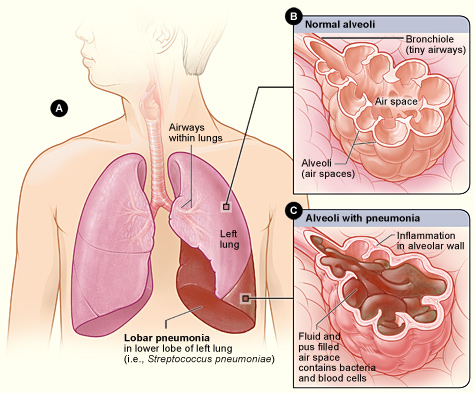



Causes and risk factors
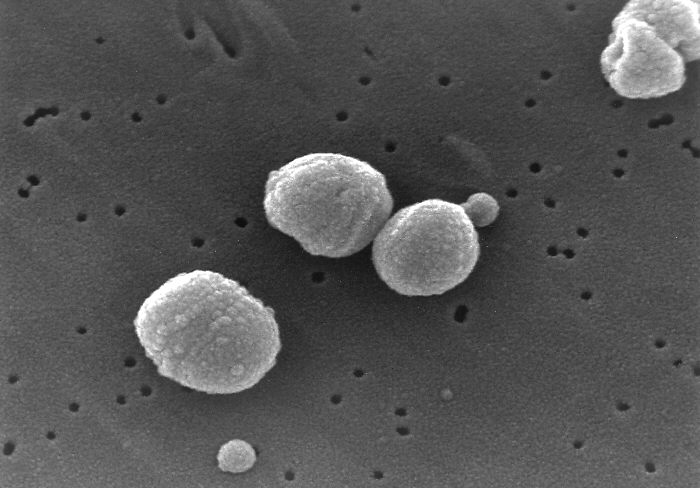
Pneumonia can be caused by bacteria, viruses, and less commonly fungi or other organisms. It may follow a chest infection or influenza, or arise after inhalation of irritants. People at greater risk include the very young, older adults, those with weakened immune systems, chronic lung or heart disease, and smokers. Hospital-acquired or ventilator-associated pneumonia are distinct clinical situations with different likely organisms.
Symptoms and complications
Common symptoms include cough, fever, rapid or difficult breathing, chest pain when breathing, and general weakness. In severe cases oxygen levels fall and complications such as pleural effusion (fluid around the lung), lung abscess, or bloodstream infection can occur. The severity ranges from mild, outpatient illness to life-threatening disease requiring intensive care.
Diagnosis and treatment
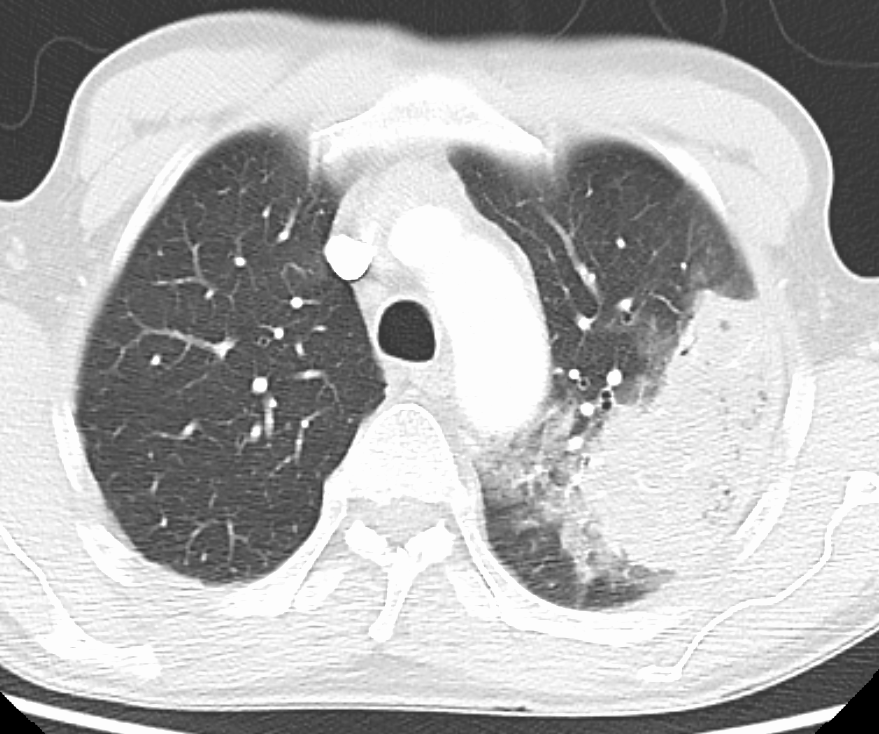
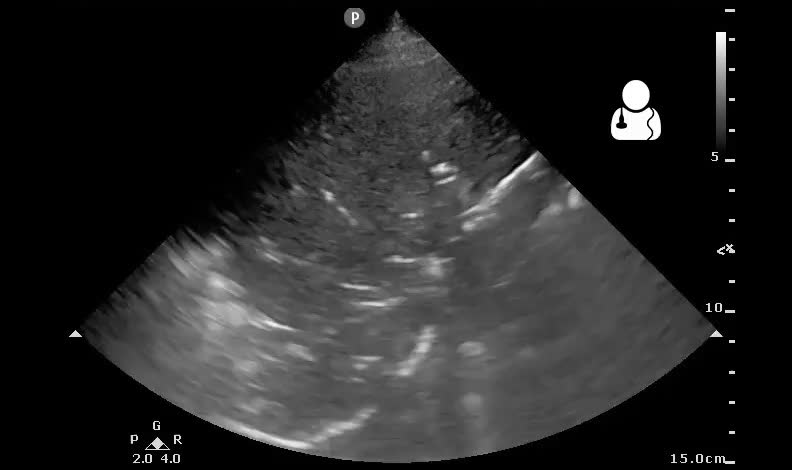
Diagnosis typically combines clinical assessment with chest imaging and laboratory tests of blood and sputum. Treatment depends on the cause: antibiotics for bacterial pneumonia, supportive care and sometimes antivirals for viral causes, and antifungals when relevant. Oxygen therapy, fluids, and respiratory support may be needed for more serious cases.
Prevention and public health
- Vaccination against common causes such as pneumococcal bacteria and influenza reduces risk.
- Hand hygiene, avoiding tobacco smoke, and early care for respiratory infections help lower incidence.
- Public health measures and access to timely medical care have greatly reduced severe outcomes compared with the pre-antibiotic era.
Understanding pneumonia involves recognizing how inflammation of the alveoli impairs oxygen uptake and how prompt diagnosis and appropriate treatment improve recovery. For more information, consult clinical guidelines or trusted health resources: overview, respiratory system reference, alveoli structure, oxygen exchange, air and breathing, inflammation mechanisms, infective fluids.
Questions and answers
Q: What is pneumonia?
A: Pneumonia is a disease of the lungs and the respiratory system.
Q: What are alveoli and what is their function?
A: Alveoli are small bulbs or sacs in the lungs that help to take out oxygen from the air.
Q: What happens to the alveoli in pneumonia?
A: In pneumonia, the alveoli become inflamed and fill up with pus.
Q: What are the symptoms of pneumonia?
A: The symptoms of pneumonia include feeling out of breath, feeling like drowning, and pain when breathing.
Q: Why is it hard to breathe for someone with pneumonia?
A: It is hard to breathe for someone with pneumonia because the inflamed alveoli can no longer absorb as much oxygen as before.
Q: Do people with pneumonia always recover with medicine?
A: No, sometimes people can still die of pneumonia even with hospital care and medicine.
Q: Can pneumonia only affect people with weakened immune systems?
A: No, anyone can get pneumonia. However, those with weakened immune systems are more at risk for developing pneumonia.
Related articles
Author
AlegsaOnline.com Pneumonia: causes, symptoms, diagnosis, treatment and prevention Leandro Alegsa
URL: https://en.alegsaonline.com/art/77550