
The Autumn of the Patriarch
A 1975 novel by Gabriel García Márquez portraying the solitude and decay of a Caribbean dictator; noted for its baroque prose, long sentences, and synthesis of real-world regimes.
The Autumn of the Patriarch is a novel by Colombian writer Gabriel García Márquez, first published in 1975. Written by the Nobel Prize–winning author Nobel Prize, the book presents an extended, often symbolic portrait of a solitary, ageing dictator who rules an unnamed Caribbean nation. Rather than a conventional plot, the work offers a mythic, cyclical account of power, memory, and decline.
Image gallery
2 Images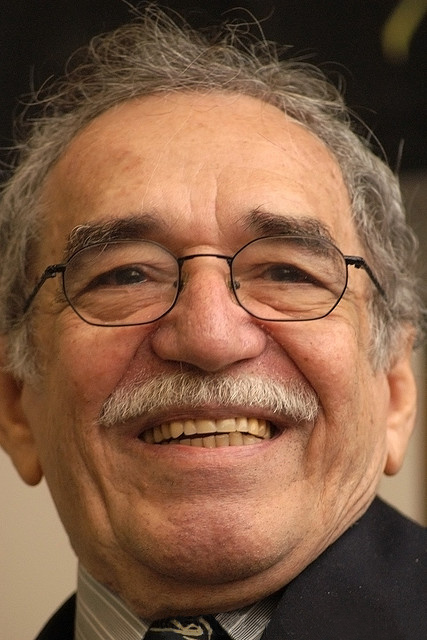

Style and narrative technique
The novel is famous for its experimental prose: long, flowing sentences, densely packed paragraphs and a voice that shifts perspective without clear chapter breaks. Márquez combines elements associated with magical realism—fantastic or heightened details woven into realistic settings—with baroque, lyrical language and a deliberate blurring of time. This style creates an impression of myth and legend as much as political history.
Themes and features
- Absolute power and its corrosive effects on the ruler and society.
- Solitude, paranoia and the construction of personal myth around authority.
- The collapse of institutions and the mingling of truth, rumor and official narrative.
- A prose structure that emphasizes repetition, accumulation and circular time.
The central figure is portrayed without a fixed name or biography; he becomes an archetype of tyranny, seen through memory, rumor and the testimony of a variety of voices. The setting remains deliberately unspecified, intensifying the book's allegorical reach.
Historical context and reception
Márquez drew on a range of historical precedents in shaping his portrait of dictatorship. Critics and readers have linked aspects of the novel to several real regimes, including those associated with Gustavo Rojas Pinilla and Francisco Franco, though the book does not claim to be a direct biography. Upon publication the work was praised for its linguistic daring while also polarizing readers who found its style demanding. It remains studied for its approach to political power and memory and is often discussed alongside Márquez's other major fiction.
For readers approaching the novel today, its value lies in the way it fuses historical resonance with a poetic interrogation of authority: an attempt to render the internal landscape of a regime as much as its public acts. Scholars continue to analyze its techniques, themes and place within 20th‑century literature.
Related articles
Author
AlegsaOnline.com The Autumn of the Patriarch Leandro Alegsa
URL: https://en.alegsaonline.com/art/97540