
Aracataca (Magdalena, Colombia)
Aracataca is a town in the Magdalena Department of northern Colombia, best known as the birthplace of Gabriel García Márquez and as an inspiration for the fictional Macondo in his works.
Aracataca is a municipality in Colombia's northern Caribbean region, located in the Department of Magdalena. It sits on low, tropical plains crossed by small rivers and waterways, within a landscape shaped by banana plantations, cattle ranches and humid floodplain ecosystems. The town functions as a local service center for surrounding rural communities and retains strong ties to traditional coastal Colombian culture.
Image gallery
10 Images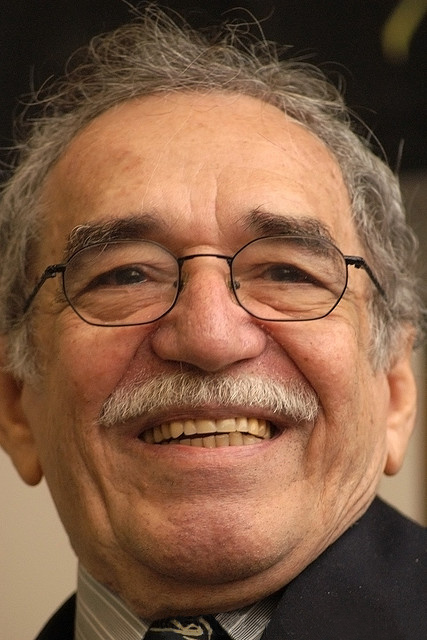


Geography and built environment
The town is characterized by flat terrain, a warm humid climate and vegetation typical of the Magdalena basin. Urban Aracataca comprises a modest historic center with markets, churches and residential neighborhoods, together with outlying settlements and agricultural estates. Transportation links are primarily by road to larger departmental centers and to the Caribbean coast.
History and development
Aracataca developed during the late 19th and early 20th centuries as part of regional agricultural expansion. Plantations—especially banana cultivation—shaped land use, labor patterns and the town's economic fortunes. Like many towns in the region, Aracataca has experienced cycles of boom and decline tied to commodity prices, infrastructure changes and internal migration.
Cultural importance and Gabriel García Márquez
Internationally Aracataca is best known as the birthplace of novelist Gabriel García Márquez. Elements of the town and its surrounding countryside are widely regarded as inspirations for the fictional village of Macondo in his major works, most famously One Hundred Years of Solitude. That association has made Aracataca a destination for literary tourism and cultural research.
Economy, tourism and local life
The local economy remains based on agriculture, small commerce and public services, with a growing niche in heritage tourism tied to the writer's legacy. Visitors may find museums, preserved family homes and guided tours that highlight sites linked to García Márquez's life and to regional history. Local festivals, cuisine and everyday customs reflect the Caribbean coastal cultural mix.
Notable facts and distinctions
- Aracataca's international profile stems chiefly from its literary connection rather than size or industry.
- The town illustrates common patterns in northern Colombia: plantation-era development, tropical landscapes and cultural syncretism.
- Heritage initiatives seek to balance tourism with community needs and the preservation of local identity.
As both a living town and a symbol in world literature, Aracataca occupies a dual role: it is an ordinary regional municipality with everyday social and economic challenges, and a place of symbolic resonance for readers and scholars interested in Latin American literature and memory.
Tags
Related articles
Author
AlegsaOnline.com Aracataca (Magdalena, Colombia) Leandro Alegsa
URL: https://en.alegsaonline.com/art/5142
Sources
- dane.gov.co : (in Spanish) DANE 2005 Census: Aracataca