
Magic realism
Magic realism is a narrative mode that interweaves realistic settings with magical elements presented matter-of-factly; used in literature, film and visual arts to explore myth, history and social critique.
Magic realism (also written magical realism) is a narrative mode or genre in which supernatural, fantastic, or magical elements appear within an otherwise realistic environment and are presented as unremarkable. In this mode the extraordinary is narrated in the same calm tone used for ordinary events, so readers encounter anomalies without the heightened wonder typical of fantasy. The operation of magic in such works is often described as the intrusion of inexplicable events into everyday life; see the phrase magical occurrences for this idea.
Image gallery
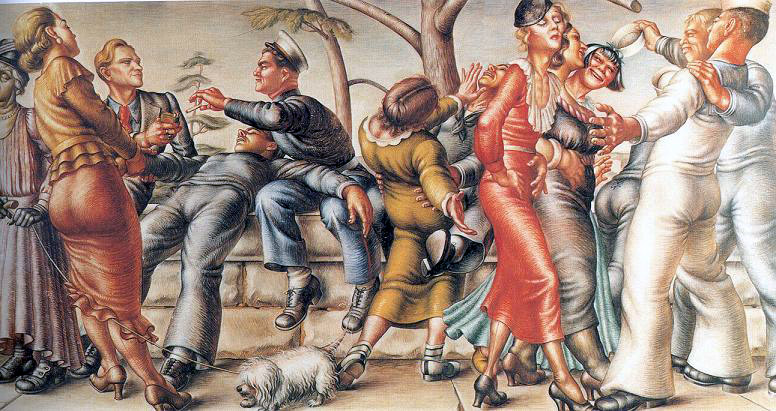
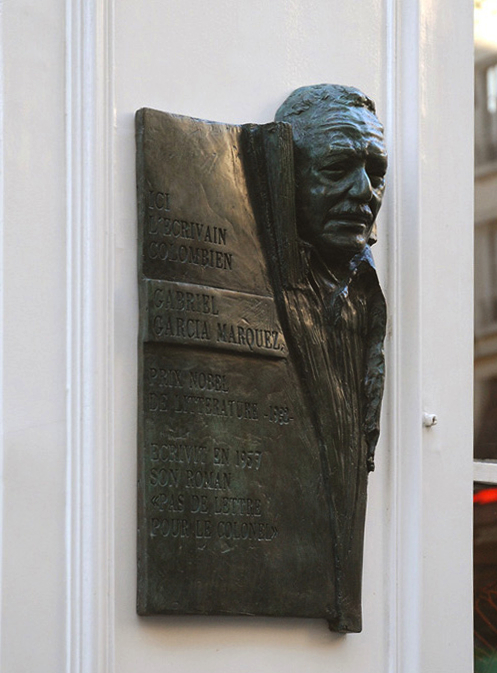
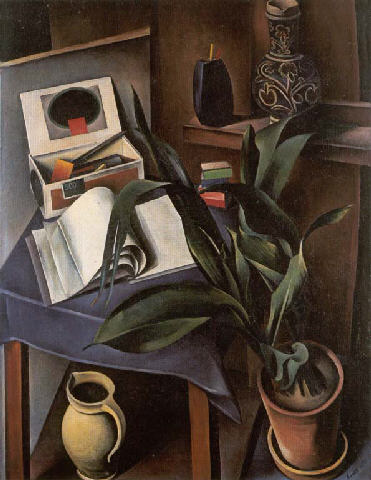
6 Images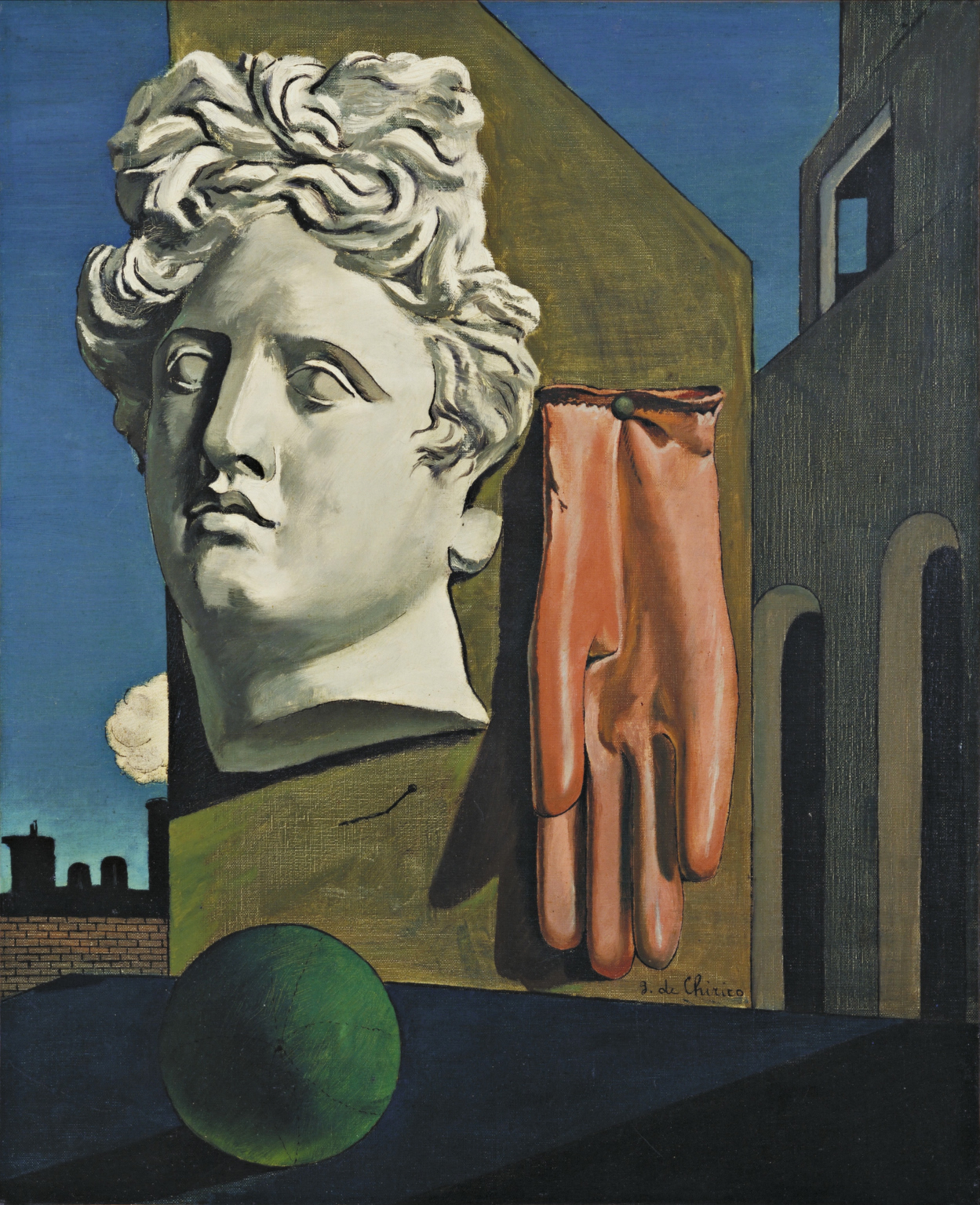


Characteristics
Works commonly identified as magic realism share a set of stylistic and thematic tendencies rather than a fixed formula. Authors tend to emphasize precise sensory detail, a steady or deadpan narrative voice, and a continuity of cause and effect that preserves story coherence even when improbable events occur. The marvelous is treated as part of the social world rather than an external spectacle. Another recurring feature is rootedness in local belief systems, folklore, or communal memory: writers often treat vernacular cosmologies as coequal with modern rationality.
- Matter-of-fact narration: The narrative voice reports the strange without shock.
- Anchored realism: A well-drawn social and historical setting anchors the reader’s expectations.
- Cultural specificity: Folklore, oral traditions, and mythic elements are integrated rather than explained away; compare mythology.
- Political resonance: The marvelous frequently illuminates power relations, history, identity, or trauma.
Origins and development
The term arose in more than one context: it was used by art critics in Europe in the early twentieth century to describe a certain ‘‘magical’’ quality in painting, and later came to describe a literary attitude. In the mid-twentieth century the label became especially associated with Latin American writers who blended modernist techniques, indigenous traditions, and social critique to produce narratives that made the marvelous feel ordinary. From there the mode spread globally and has been adapted to many languages and national circumstances.
Notable practitioners and works
Many twentieth-century writers are commonly linked to magic realism because their work treats the marvelous as part of lived experience. Important figures often mentioned include Gabriel García Márquez, whose novel One Hundred Years of Solitude brought wide attention to the mode; Miguel Ángel Asturias, who incorporated indigenous myth and social critique; and authors from other traditions such as Ernst Jünger and Mikhail Bulgakov, whose satirical supernatural episodes interrogate political life. The term is also used broadly to describe many works of fiction that combine the quotidian with the inexplicable.
Functions and uses
Writers and artists use magic realism to accomplish several aims: to validate marginalized cosmologies, to make historical trauma perceptible through metaphorical or literal supernatural events, and to defamiliarize political realities so critique can be advanced indirectly. In cinema and visual art, the same blending of realist detail and strange imagery creates atmospheres that invite alternative readings of reality. Critics and readers continue to debate the label’s boundaries, but most agree that the distinctive attitude toward the marvelous—its normalization rather than sensationalization—is the heart of the mode.
Distinctions and common confusions
Magic realism is often contrasted with fantasy, surrealism, and fabulism. Fantasy typically creates autonomous worlds governed by their own systems; magic realism retains a recognizably historical or social reality. Surrealism foregrounds dream logic and disruption of coherence, while magic realism usually preserves narrative continuity even as it permits the impossible. Fabulism overlaps with magic realism but may emphasize allegory or moral lesson to a greater degree.
Because it is adaptable and culturally inflected, magic realism resists a single authoritative definition. Readers and scholars therefore focus on practices and effects: how particular works use the marvelous to expand the range of the realistic and to open new ways of seeing political, social, and historical truths. For introductions and further reading, look for overviews of the genre and cultural studies that situate individual authors within regional and historical contexts.
Related articles
Author
AlegsaOnline.com Magic realism Leandro Alegsa
URL: https://en.alegsaonline.com/art/60596
Sources
- jstor.org : "Magical strategies: the supplement of realism"