
Satire
Satire is a creative form that exposes folly or vice through humor, irony and exaggeration across literature, visual arts and performance to provoke reflection or reform.
Overview
Satire is a mode of expression in which writers, artists or performers highlight human follies, social ills, or abuses of power by treating them with wit, ridicule or exaggeration. It appears across media and genres and ranges from light-hearted mockery to sharp political critique. Satire aims both to entertain and to prompt reflection or change by revealing contradictions between stated ideals and actual behavior. In translations of older terms the word is often traced to a Latin label, but comparable practices are found in many cultures.
Image gallery
10 Images






Characteristics and techniques
Satirical works typically employ devices such as irony, sarcasm, understatement, hyperbole, juxtaposition and caricature. These devices allow creators to expose hypocrisy without necessarily stating the critique directly. Common targets include institutions, officials and social conventions. Satire can also reinforce stereotypes when handled poorly, so its ethical effects depend on context and intent.
- Irony and reversal: saying the opposite of what is meant to expose absurdity.
- Parody and mimicry: imitating a style to show its limitations.
- Exaggeration: magnifying traits to highlight defects.
- Caricature: simplifying or distorting characters for emphasis.
History and development
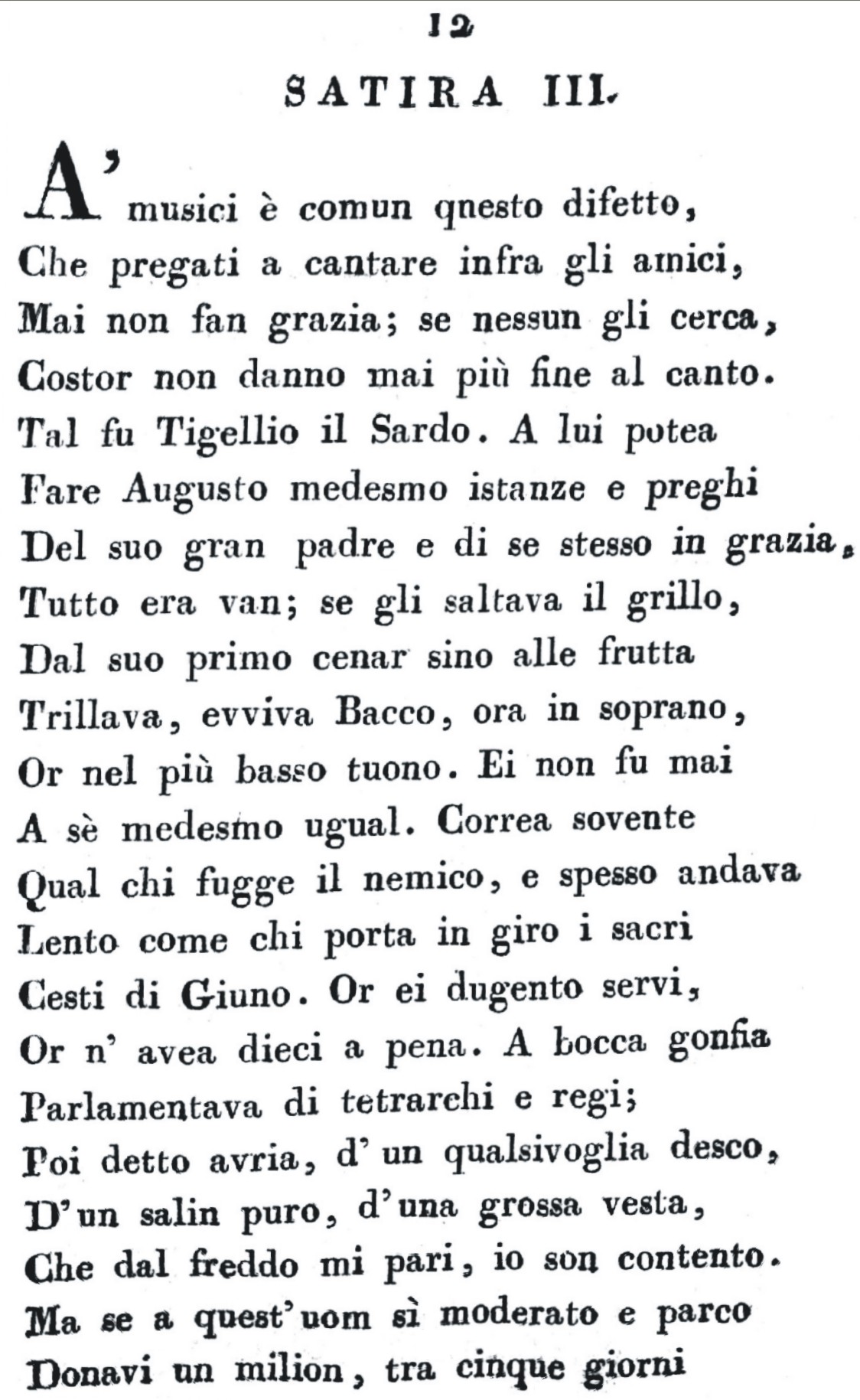
Elements of satirical practice appear in ancient theater and poetry. Greek comic dramatists such as Aristophanes used ridicule and fantasy to attack politicians and social trends. Roman writers also developed the genre, blending moral critique with literary art. In later European history satire flourished in pamphlets, newspapers and drama; writers like Swift and works such as The Beggar's Opera used satirical strategies to question contemporary manners and governance. In modern times, the approach has been adapted widely—from stage and print to broadcast and digital formats—by novelists, cartoonists and performers.
Forms and mediums
Satire is not limited to one medium. It appears in art and writing, in political commentary aimed at government, and in popular entertainment that relies on humour. It can be visual, as in satirical paintings and cartoons; dramatic, as in plays; literary, as in novels and books; musical, as in satirical songs; or audiovisual, as in television and film satire (TV or movies).
Targets, examples and practitioners
Satire commonly criticizes public figures, policies and prevailing attitudes. It may also rely on cultural stereotype for effect—sometimes problematically. Over centuries, practices and practitioners have varied by country and medium. For example, Elizabethan and 18th‑century satire influenced the shape of modern political parody; 20th‑century European theatre incorporated satirical devices (including work by German playwright Bertolt Brecht). In British comedy, figures such as Peter Cook used satire on stage and television, while contemporary satirists and hosts like Jon Stewart highlight current affairs. Satirical pieces often lampoon politicians and public institutions and are a frequent tool of comedians.
Distinctions and impact
Satire overlaps with parody, irony and sarcasm but differs in purpose and scope: parody imitates style for comic effect, whereas satire typically aims to criticize broader behavior or policy. Satire's value lies in its capacity to combine entertainment with social commentary; it can influence public opinion and encourage debate. At the same time, it raises questions about taste, limits of free expression and potential for misunderstanding, so societies often negotiate where satire fits within legal and cultural norms.
Because satire adapts readily to new media, it remains a lively method for questioning power, revealing contradictions and prompting audiences to reconsider assumptions.
Questions and answers
Q: What is satire?
A: Satire is a form of art or writing that ridicules a person, government, or institution through the use of humor.
Q: In what forms can satire be found?
A: Satire can be found in paintings, plays, books, songs, TV or movies.
Q: What is the origin of the word satire?
A: Satire is a Latin word.
Q: Who were some of the early satirical writers?
A: Aristophanes and Swift were early satirical writers.
Q: What is the purpose of satire?
A: The purpose of satire is to ridicule or criticize powerful people and institutions by pointing out ironic or bad things they are doing.
Q: Who are some modern satirists?
A: Jon Stewart and other comedians use satire frequently.
Q: What is the adjective form of satire?
A: The adjective form of satire is satirical.
Related articles
Author
AlegsaOnline.com Satire Leandro Alegsa
URL: https://en.alegsaonline.com/art/87457