
Gabriel Pierné
Gabriel Pierné (1863–1937) was a French composer, conductor and organist who wrote orchestral, choral, chamber and stage works and played a central role in Parisian musical life around the turn of the 20th century.
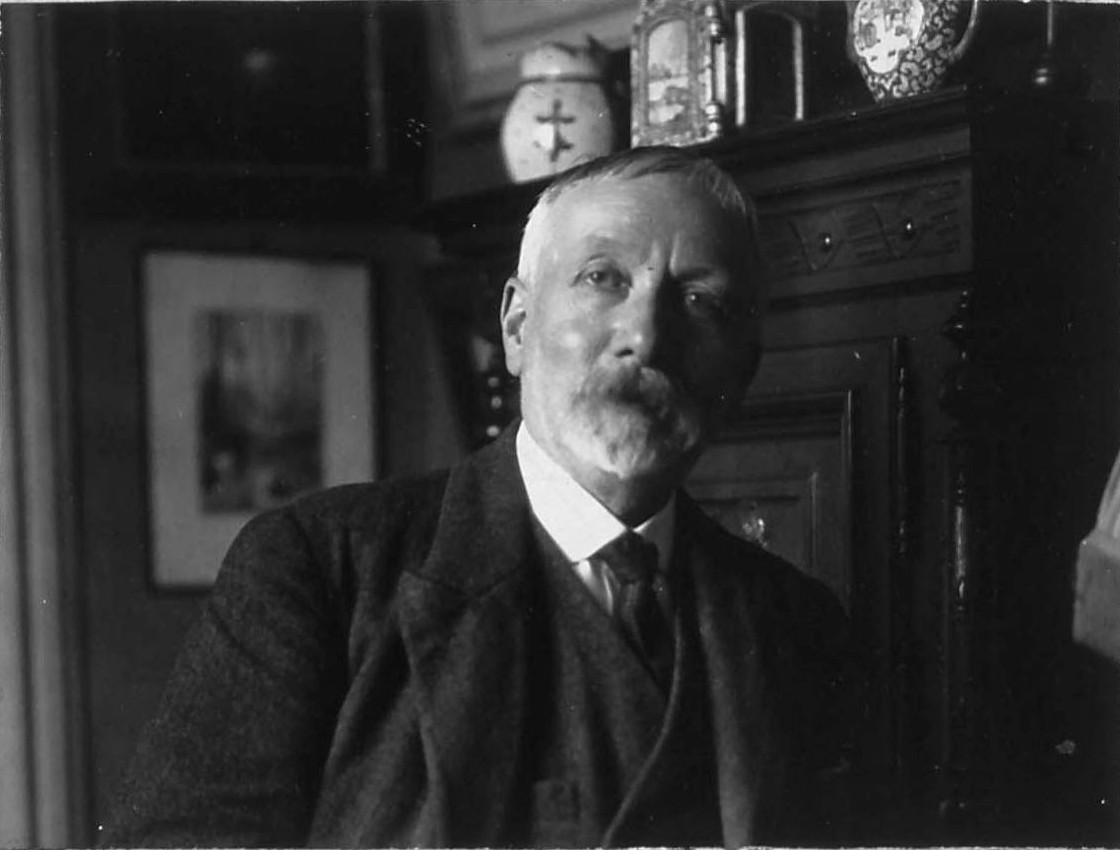
Henri Constant Gabriel Pierné (16 August 1863–17 July 1937) was a French composer, conductor and organist. Active primarily in Paris, he combined a career as a church musician with prominent conducting duties and a varied compositional output that ranges from stage and orchestral music to chamber pieces, songs and works for organ.
Image gallery
3 Images

Early life and education
Pierné trained in the French conservatoire tradition and benefitted from the musical life of Paris in the late 19th century. His formation brought him into contact with teachers and colleagues of the French school, and he developed both practical skills as an organist and a solid grounding in compositional technique.
Career and professional roles
Pierné held long-standing posts as a church organist while also serving as a conductor for major Parisian concert series and ensembles. In these roles he programmed a mixture of standard repertoire and contemporary works, helping to maintain links between established traditions and newer developments in French music. His conducting career brought him into collaboration with soloists, choruses and orchestras across Paris.
Musical style and works
Pierné's music is often described as sitting between late Romantic expressiveness and the clearer, more refined orchestration associated with early 20th-century French composers. He favoured elegant melody, transparent instrumental colors and careful craftsmanship. His output includes incidental music and ballet, orchestral suites, choral and sacred pieces shaped by his church experience, chamber works and a body of organ literature. One stage work often cited in surveys of his music is the pastoral ballet Cydalise et le Chèvre-pied, which exemplifies his decorative orchestral palette and dance-inflected rhythms.
Reputation and legacy
As a conductor Pierné introduced audiences to new compositions and helped sustain interest in both contemporary and older repertoire. His dual activity as performer and composer influenced younger French musicians and contributed to the continuity of Parisian musical institutions. Today he is remembered for the elegance and clarity of many of his pieces and for his role in the musical life of his time.
For general introductions to his life and works, and to explore scores and recordings, consult reference works and specialized studies on early 20th-century French music and the professions of composer, conductor and organist.
Related articles
Author
AlegsaOnline.com Gabriel Pierné Leandro Alegsa
URL: https://en.alegsaonline.com/art/37161