
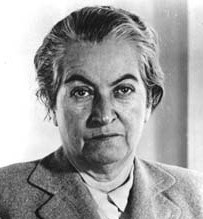
Gabriela Mistral (Lucila Godoy Alcayaga)
Chilean poet, educator, diplomat, and feminist; Nobel Prize in Literature laureate (1945). Known for poems on love, grief, motherhood, nature and social justice; author of Desolación, Tala, Lagar.
Overview
Gabriela Mistral was the pen name of Lucila Godoy Alcayaga, a Chilean poet, educator, diplomat and advocate for social and educational reform. Born in 1889 and died in 1957, she became internationally known for verse that blends personal feeling with public concern. In 1945 she was awarded the Nobel Prize in Literature, the first Latin American to receive that honor; this recognition helped bring wider attention to 20th‑century Latin American poetry and educational issues.
Image gallery
7 Images


Life and career
Mistral began her professional life as a teacher and school administrator in Chile, where she worked on curriculum and teacher training. Her experience in rural and urban classrooms informed much of her writing and public work. Over decades she also served in diplomatic and cultural posts for the Chilean government and represented her country in international forums, traveling in Europe and the Americas to promote education and literature.
Literary work and themes
Her poetry is noted for its emotional intensity and clarity. Common themes include motherhood and loss, the natural world, social injustice, faith and consolation. Mistral's voice moves between intimate lyricism and moral urgency; she used traditional forms and free verse, choosing language that is both direct and resonant. The collection major works for which she is best known address private sorrow and collective suffering alike.
Major works
- Desolación — an early collection that established her reputation for elegiac and personal poetry.
- Tala — a later book in which national and human concerns converge with vivid natural imagery.
- Lagar — work from the final period of her career reflecting spiritual testing and social critique.
- Ternura — a book of poems addressed to children and to the idea of tenderness in public life.
Influence and legacy
Mistral left a lasting mark as both a writer and a public intellectual. Her Nobel recognition helped expand global interest in literature from Latin America. Schools, cultural institutions and public memorials in Chile and beyond honor her name, and her poems remain central to Spanish‑language curricula. Scholars and readers continue to study her work for its combination of artistic craft and moral concern.
Further reading
For biographical overviews and collections of her poetry see dedicated sources and anthologies. Basic reference information, including her birth and death dates, can be found in authoritative biographies and literary histories; for curated selections and translations consult major libraries and academic editions. See also the Nobel Prize entry for context on the award year: Nobel Prize 1945. Additional biographical resources and critical essays are available via cultural archives and literary websites: biography.
Related articles
Author
AlegsaOnline.com Gabriela Mistral (Lucila Godoy Alcayaga) Leandro Alegsa
URL: https://en.alegsaonline.com/art/37168