
Love in the Time of Cholera
A novel by Nobel laureate Gabriel García Márquez about enduring love, memory and mortality set in a Caribbean port; noted for lyrical realism and a 2007 film adaptation.
Overview
Love in the Time of Cholera is a novel by Nobel Prize–winning author Gabriel García Márquez. Written in Spanish and first published in the 1980s, the book follows a lifelong, often unrequited romance that unfolds across many decades in a Caribbean port city. Though often associated with the author's familiar magical realist style, this work blends lyrical prose with a more realist examination of aging, desire and social change.
Image gallery
2 Images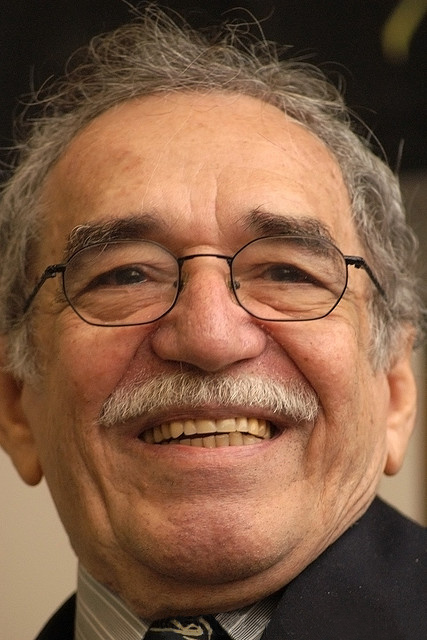

Plot and characters
The story centers on two principal figures and their entwined fates: a passionate, persistent lover and the woman he adores, who chooses a different life. The novel traces their youth, the intervening years of marriage and separation, and a late-life reunion. Secondary characters—a pragmatic physician, friends, family and lovers—help illuminate social norms and personal compromises in a changing tropical town.
Main themes and style
Major themes include the endurance and transformation of love, the contrast between romantic idealism and practical bonds, and the passage of time. Cholera, both as disease and metaphor, recurs as a symbol for passion, obsession and the risks of human intimacy. The prose is notable for vivid detail, affectionate irony and an emphasis on memory and bodily experience.
Structure and notable elements
- Nonlinear chronology that spans decades, showing characters at different life stages.
- Rich local color evoking coastal Latin America, often read as inspired by Cartagena, Colombia.
- A mix of humor, melancholy and social observation rather than overt fantasy.
Publication, adaptations and reception
The novel has been translated into many languages and reached a wide international readership. It inspired a feature film released in 2007 and remains one of García Márquez's best-known works. Critics and readers have praised its emotional range and language while noting its different tone from the author's more explicitly magical realist books.
Legacy and further reading
Today the novel is widely taught and discussed for its portrayal of long-term attachment and the social contexts that shape personal lives. For more information on the author and editions of the work, see biographical and bibliographic resources such as those linked here: further reading.
Related articles
Author
AlegsaOnline.com Love in the Time of Cholera Leandro Alegsa
URL: https://en.alegsaonline.com/art/59526