
Gothic fashion: style, history, and substyles
Gothic fashion is a dark, expressive aesthetic tied to the goth subculture. It combines Victorian, punk and romantic influences, emphasizing black clothing, dramatic makeup, distinctive accessories and varied substyles.
Overview
Gothic fashion, commonly called goth fashion, is an aesthetic defined by dark tones, dramatic silhouettes and expressive personal styling. It developed alongside the goth subculture and is used by people of many genders to signal identity, musical taste, and community affiliation. The look often foregrounds bespoke or thrifted pieces, theatrical makeup and an interest in historical or literary references.
Image gallery
8 Images


Key characteristics
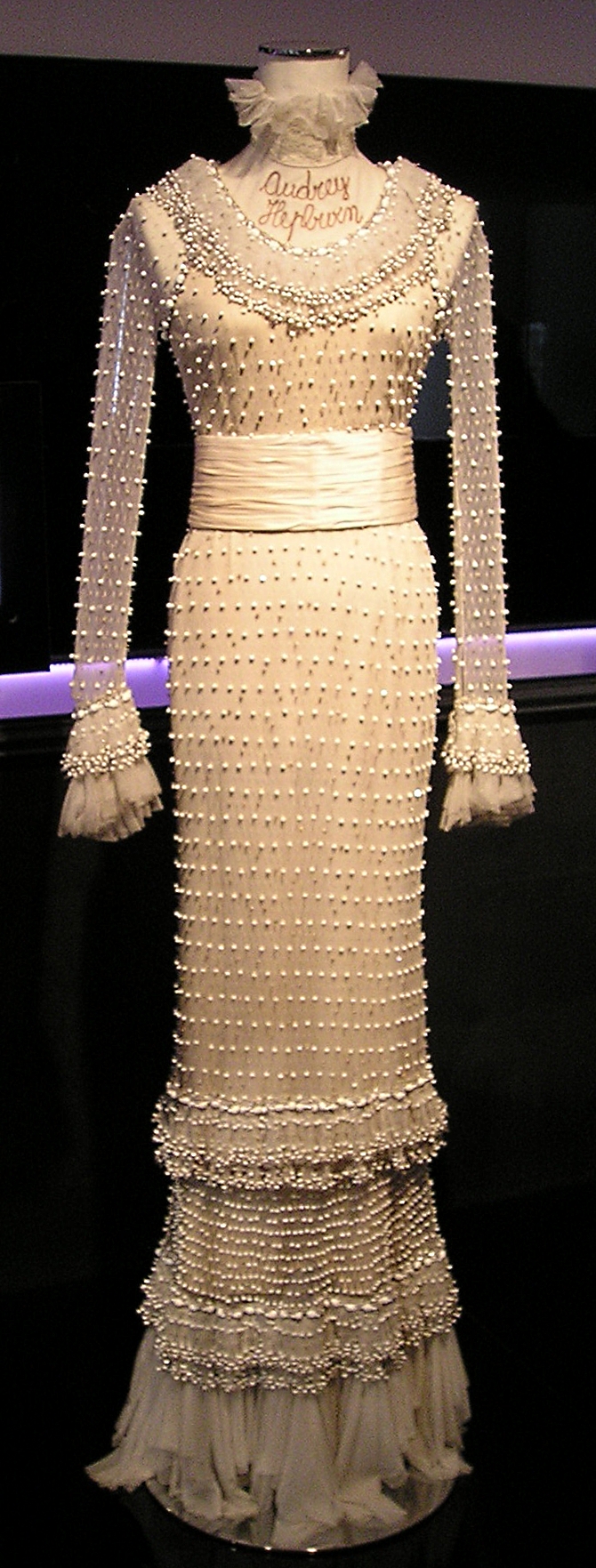
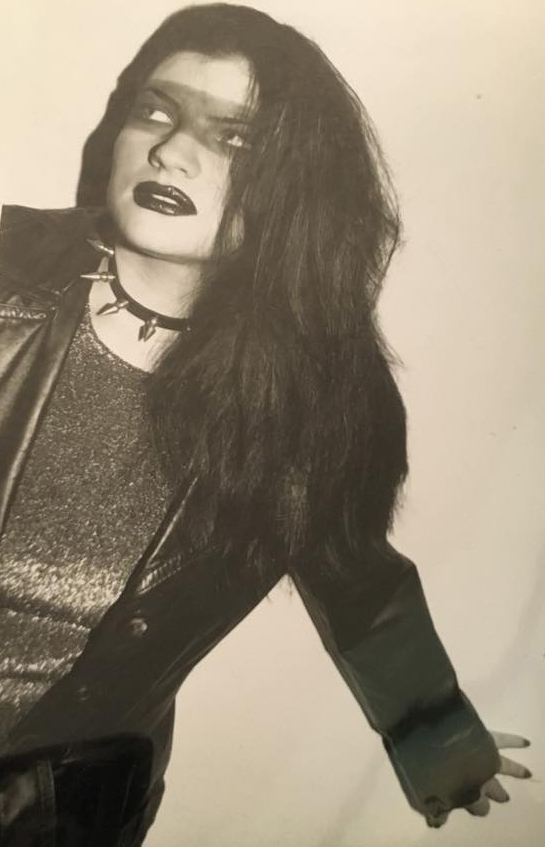
While there is no single uniform, several recurring elements are typical. Common features include dark or black garments, layered clothing, contrasting pale complexion or makeup, heavy eye makeup and dark nail polish. Footwear and fabrics range from sturdy boots and leather to flowing lace and velvet. Accessories—such as chokers, rosaries, symbolic jewelry and ornate buckles—play an important visual role.
- Typical items: long coats, corsets, fishnets, platform boots, trench coats, Victorian-inspired dresses.
- Makeup & hair: dark eyeliner and lipstick, pale foundation, dyed or heavily styled hair.
- Materials: leather, lace, velvet, PVC, metal hardware and layered textiles.
History and influences
Goth fashion emerged in the late 1970s and early 1980s from post-punk music scenes. Bands such as Bauhaus, Siouxsie and the Banshees and The Cure helped popularize an aesthetic that drew on Victorian mourning attire, romantic literature, horror cinema and punk DIY sensibilities. Over decades it has evolved, borrowing from fetish, glam and industrial styles while remaining anchored by its preference for darker palettes and evocative imagery.
Substyles and distinctions
Goth fashion includes several recognizable niches that emphasize different influences:
- Victorian/Romantic goth: lace, high collars, corsetry and historical tailoring.
- Traditional/Deathrock: punk energy, ripped garments and band-inspired looks.
- Cyber goth: neon accents, synthetic materials and industrial motifs.
- Pastel or cottage goth (offshoots): lighter palettes or rural romantic elements while keeping goth symbolism.
Cultural role and contemporary presence
Beyond concerts and clubs, goth fashion functions as a form of self-expression and community signaling. It appears in magazines, runway collections and mainstream media from time to time, and is sustained by independent designers, vintage markets and online communities. Many practitioners emphasize creativity and craftsmanship, adapting historic motifs into modern, personal wardrobes. For an introduction to garments commonly associated with the style, see examples of gothic clothing.
Related articles
Author
AlegsaOnline.com Gothic fashion: style, history, and substyles Leandro Alegsa
URL: https://en.alegsaonline.com/art/39871