
Gown: types, history, construction and cultural roles
A gown is a long garment worn for ceremony, work or sleep. This article explains common types (formal, medical, academic, nightgowns), historical development, construction and social uses.
A gown is a garment that typically covers the body from the shoulders to some point below the hips, often extending to the floor. Although commonly associated with women's formal wear, the term also applies to robes used in medicine, academia and some professions. Gowns vary widely in cut, fabric and purpose, but they share an association with ceremony, status or specific function.
Image gallery
4 Images

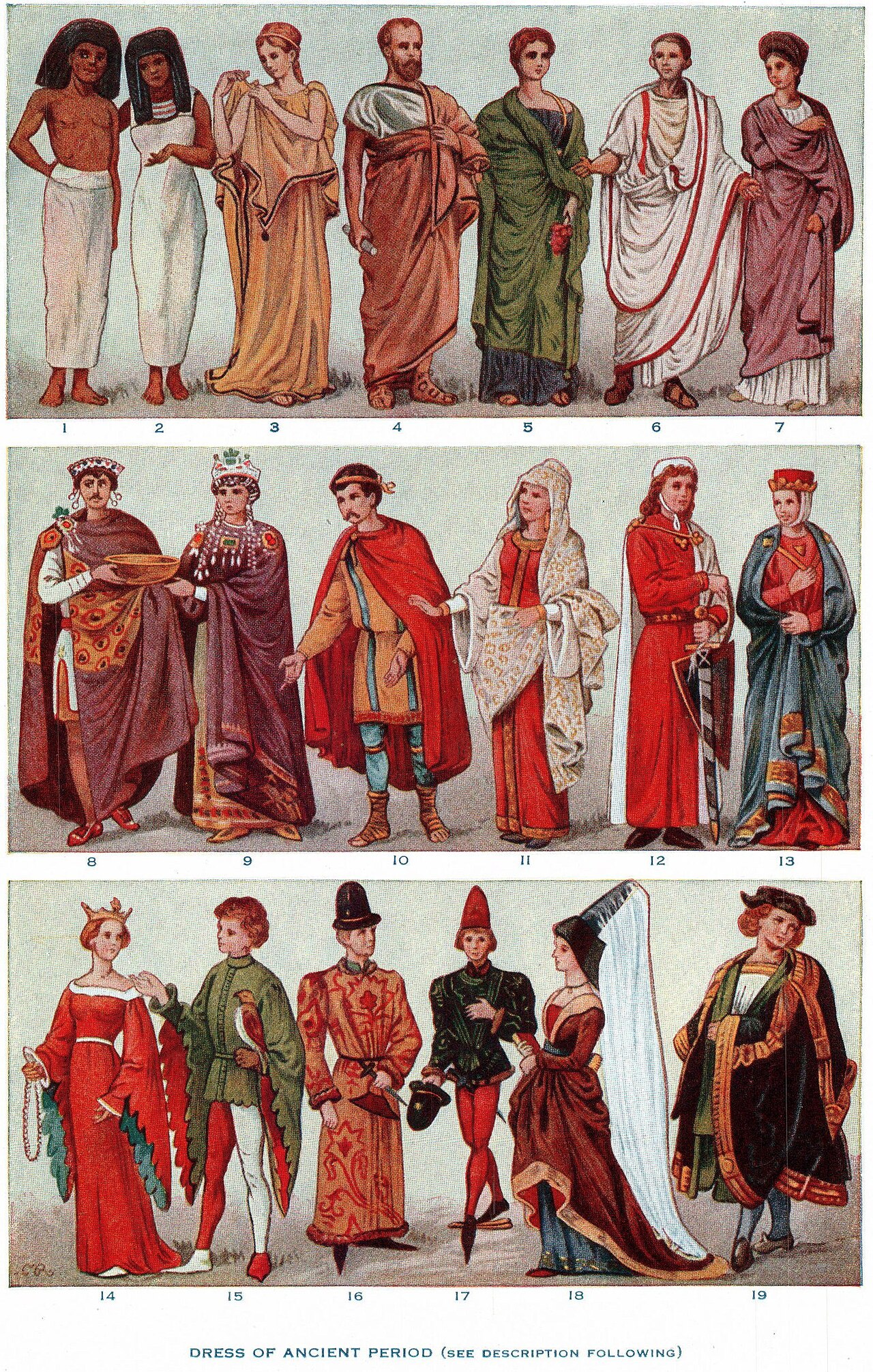

Characteristics and construction
Gowns are defined by silhouette, fabric and trim. Common silhouettes include sheath, A-line, empire and full ball shapes. Fabrics range from lightweight cotton and satin to heavier brocade and wool; decorative elements such as lace, beading and pleats alter formality. Construction details—linings, closures, sleeves and trained hems—affect how a gown moves and how it should be cared for.
History and development
The basic idea of a long, flowing garment appears across many cultures and centuries. From medieval court robes to the tailored evening gowns of the 19th and 20th centuries, gowns have tracked changes in fashion, textile technology and social norms. National and academic variations developed into distinct robes and regalia for graduations and official ceremonies.
Common types and uses
- Formal gowns: evening wear and wedding gowns worn for ceremonies and receptions (wedding customs).
- Academic gowns: robes used for graduation and university ceremonies.
- Medical gowns: patient and surgical gowns designed for hygiene and protection (hospital garments).
- Nightgowns: loose garments intended for sleep or lounging.
For more on classification and fashion terminology see formal wear and apparel.
Distinctions: "gown" overlaps with "dress" and "robe" but often implies length, formality or a specialized function. Etiquette for wearing gowns depends on context—formal events, religious services and medical settings each have established conventions. Care and repair of gowns require attention to fabric and ornamentation; professional cleaning is common for delicate pieces.
Related articles
Author
AlegsaOnline.com Gown: types, history, construction and cultural roles Leandro Alegsa
URL: https://en.alegsaonline.com/art/40021