
Department store: definition, organization, history and modern trends
An overview of department stores: what they sell, how they are organized, historical development, common formats (upmarket and discount), and contemporary challenges and adaptations.
Overview
A department store is a large retail establishment that offers a wide range of product categories under one roof rather than carrying goods from a single manufacturer or brand. Unlike specialty shops or single-brand outlets that focus on one line, a department store organizes merchandise into separate areas or departments so shoppers can find clothing, homewares, and many other items in one visit. Stores vary from upmarket flagships to value-oriented chains.
Image gallery
8 Images


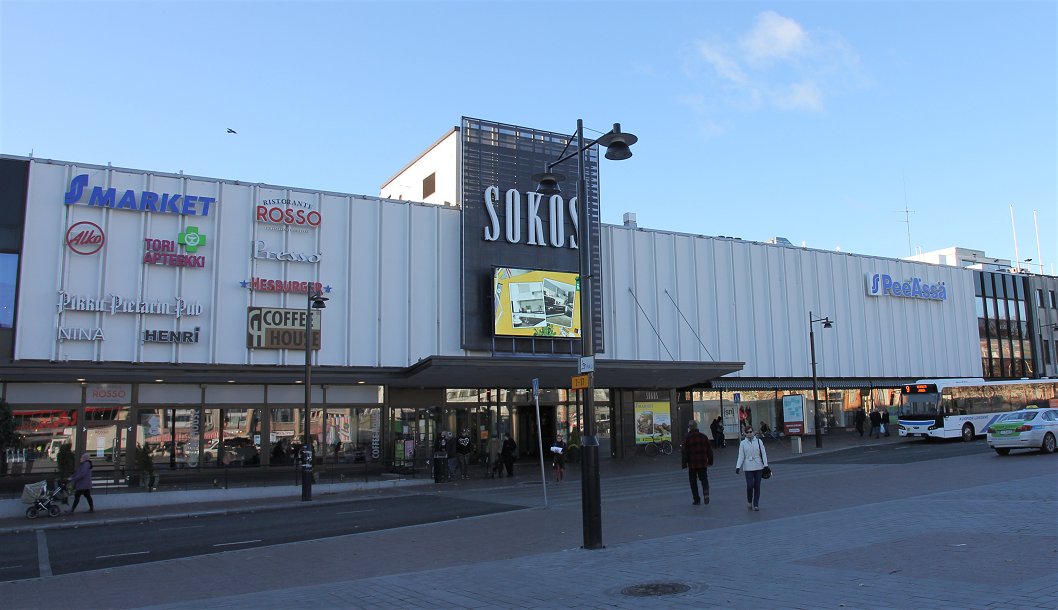

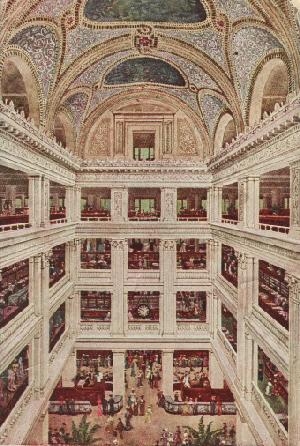
Typical departments and merchandise
Department stores commonly group products into dedicated sections. Typical examples include:
- Clothing and accessories for men, women and children
- Furniture and home furnishings
- Electronics and small appliances
- Paint and DIY supplies in stores that carry home improvement lines
- Hardware and tools where applicable
- Toiletries and cosmetics
- Jewellery and watches
- Toys, sporting goods and seasonal items
History and development
Department stores emerged in the 19th century alongside urbanization and improvements in manufacturing and transport. Early examples introduced fixed prices, elaborate window displays and a range of customer services that differed from the market stalls and small shops of earlier eras. Over the 20th century, department stores helped define downtown shopping districts and later became anchors for suburban shopping malls.
Business models and uses
Many department stores position themselves as upmarket destinations offering branded goods, personal shopping, and premium services, while others operate as discount department stores that emphasize lower prices and high volume. Modern department stores often combine in-store merchandising with catalogues, online sales and click-and-collect services to serve both local shoppers and remote customers.
Contemporary importance and trends
Today department stores face competition from specialty retailers and e-commerce. In response, many have sought to become experiential spaces with cafes, events, pop-up shops and enhanced customer service. Others have consolidated, reduced physical footprints, or focused on loyalty programs and omnichannel integration to retain shoppers. Despite changes in the retail landscape, department stores remain influential in fashion buying, holiday retailing and as social shopping destinations.
Distinctions and notable facts
Key distinctions to remember: a department store sells multiple product categories in separate departments; a specialty store focuses on a narrower range; and a discount department store prioritizes price over exclusivity. As retail continues to evolve, successful department stores balance product breadth with compelling in-store experiences and integrated online services.
Related articles
Author
AlegsaOnline.com Department store: definition, organization, history and modern trends Leandro Alegsa
URL: https://en.alegsaonline.com/art/26677