
Coureur de bois
Independent French-Canadian woodsmen and fur traders who explored North America, trading pelts—especially beaver—and helped open interior trade routes from the 17th through early 19th centuries.
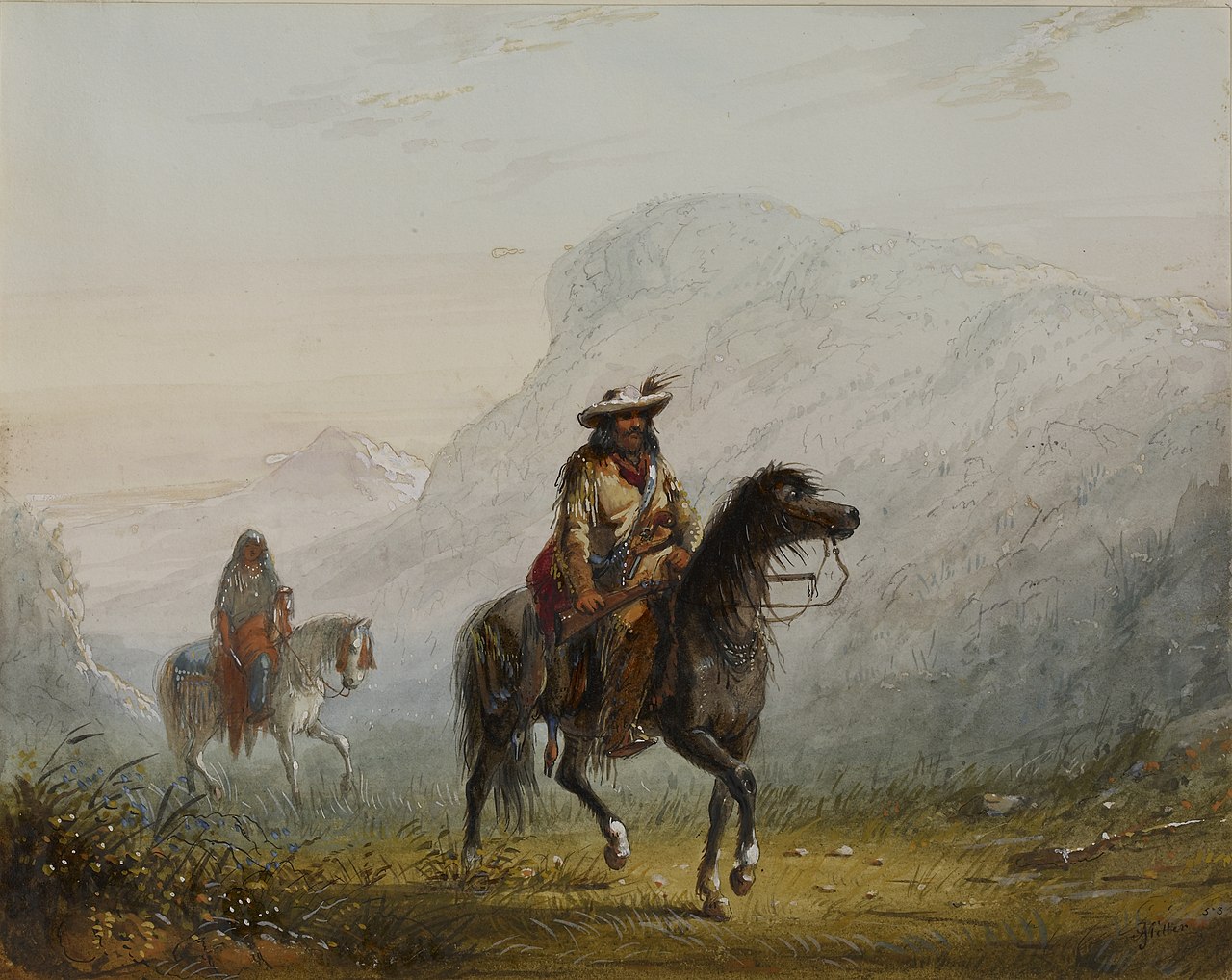
Coureur de bois (literally "runner of the woods") refers to French-Canadian men who left settlements to trap, trade, and travel deep into the interior of North America in pursuit of furs. They were a central force in the early fur trade, exchanging goods with Indigenous peoples and bringing animal pelts—most famously beaver—to market. Although the term is French, the phenomenon affected a broad region, including forests and river systems of eastern North America.
Image gallery
10 Images





Work and way of life
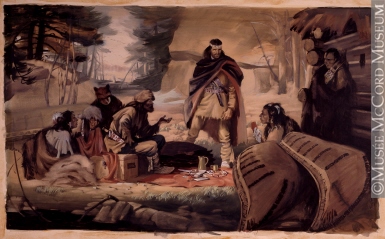
Coureurs des bois were skilled woodsmen, canoeists and negotiators. They travelled by birchbark canoe and on foot, used snowshoes in winter, and depended on knowledge of rivers, seasonal cycles and Indigenous technologies. Their trade combined trapping, bartering and long-distance transport of furs. They commonly formed close trading relationships with Indigenous communities, learned local languages, and sometimes married into local families; such connections shaped cultural exchange across the frontier.
Historical development and geography
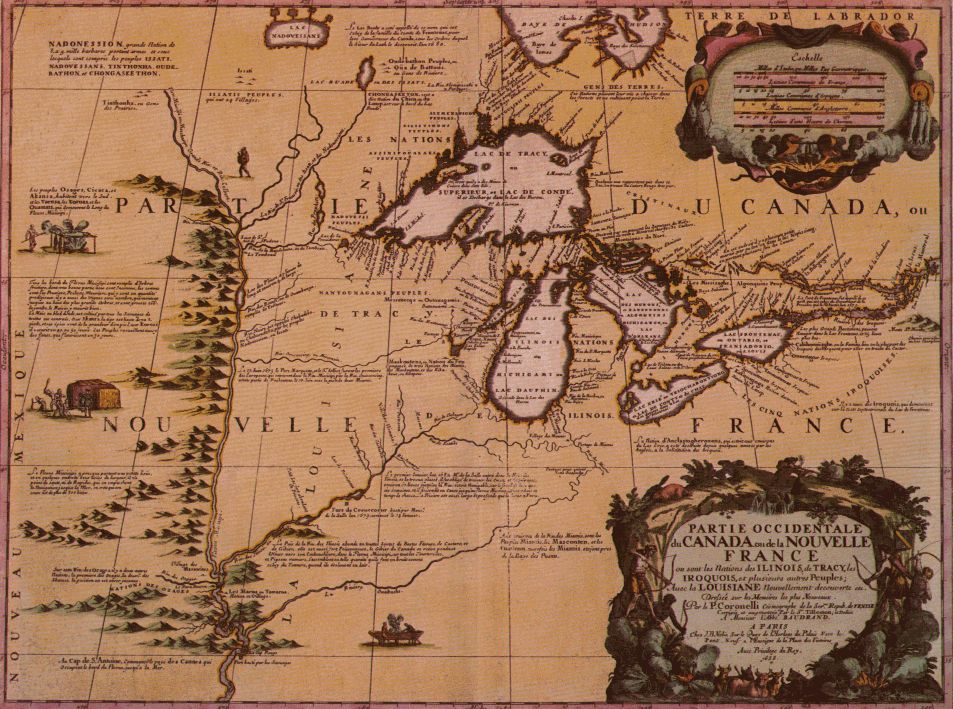
The practice began during the expansion of New France and reached its height in the 17th and 18th centuries. As commerce grew, coureurs des bois pushed farther inland and northward toward Hudson Bay, and later westward across the continent into the foothills and passes of the Rocky Mountains. By the early 19th century, their routes and skills helped open pathways all the way to the Pacific Ocean. Over time many became associated with organized companies, including the Hudson's Bay Company, which had links to Great Britain and competed for control of trade in the region.
Importance and legacy
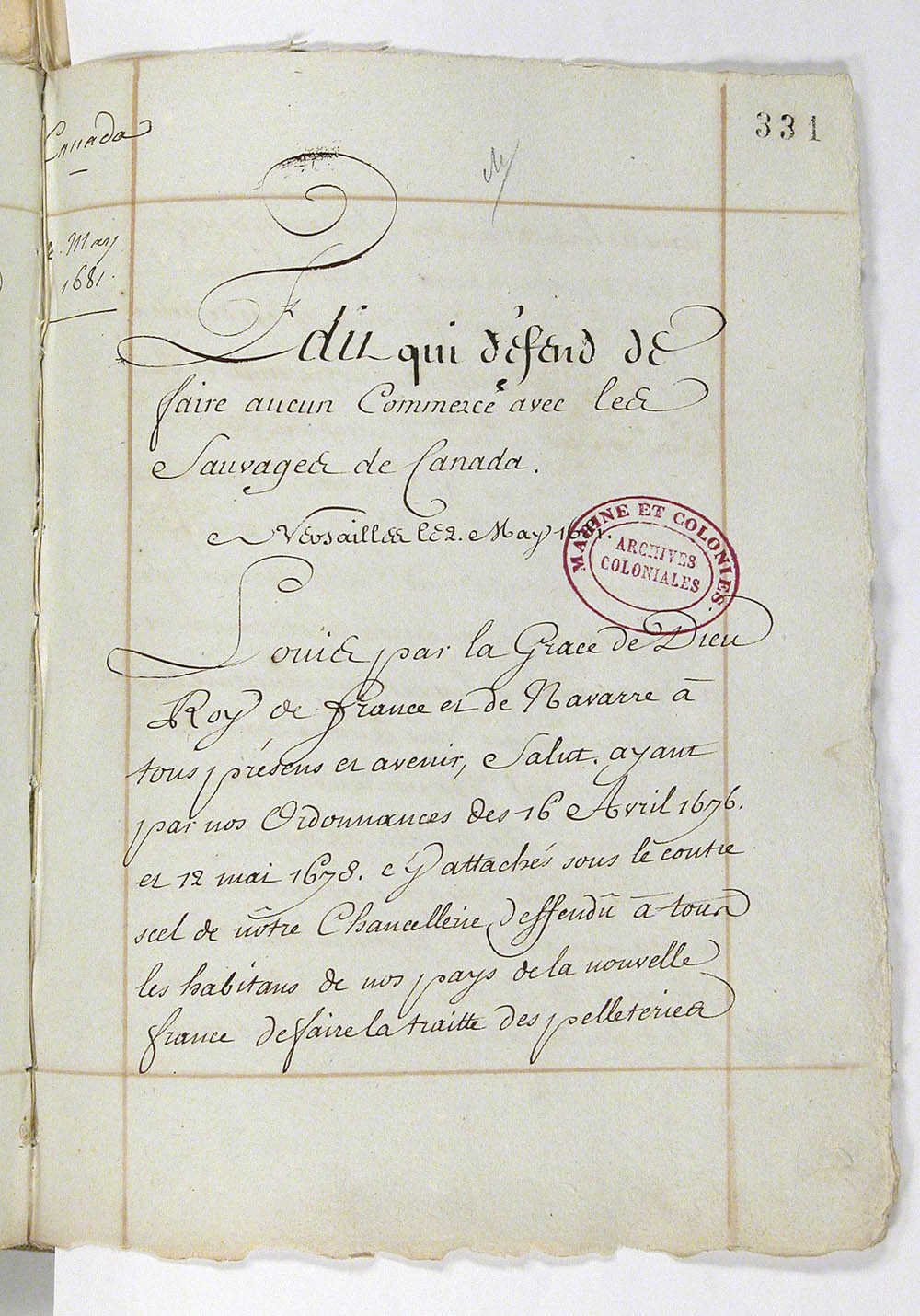
Coureurs des bois contributed to geographic knowledge, mapping of waterways and early European-Indigenous economic networks. Their activities helped found mixed-ancestry communities (often later called Métis) and influenced patterns of settlement and resource use. By the early 19th century, changing regulations, the rise of licensed voyageurs and corporate fur companies reduced the number of independent coureurs.
Notable distinctions
- Often independent and unlicensed in contrast to company-employed voyageurs.
- Operated through personal ties with Indigenous trappers rather than formal trading posts.
- Associated with both exploration and controversial impacts on Indigenous societies and wildlife populations.
Today the coureur de bois remain a prominent figure in North American history: they symbolize a period of intense cultural contact, economic expansion, and environmental change along the continent's waterways.
Related articles
Author
AlegsaOnline.com Coureur de bois Leandro Alegsa
URL: https://en.alegsaonline.com/art/23589