
Glove: types, history, materials, and uses
An overview of gloves: what they are, common materials and styles, historical development, practical uses, care, and distinctions such as mittens and gauntlets.
A glove is a garment designed to cover the human hand, typically with separate sections for each finger and the thumb. Gloves serve many purposes, from warmth and fashion to protection and hygiene. They are made in a wide range of materials and constructions to meet different needs.
Image gallery
10 Images


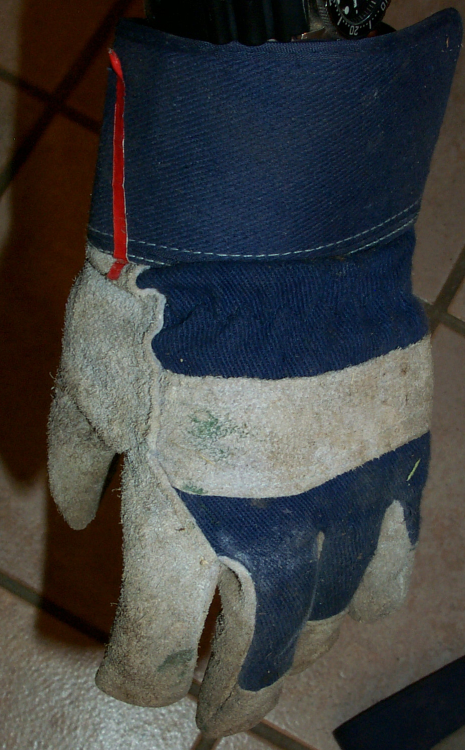


Common materials and construction
Gloves can be crafted from natural materials such as leather and wool or from manufactured materials like latex, nitrile, vinyl, neoprene and synthetic fibers. Construction elements include the cuff, palm, fingers and lining; some gloves are seamless knit, others are stitched or molded for a closer fit. Insulated gloves add padding or specialized linings for cold weather, while coated textiles improve grip and abrasion resistance for work gloves.
Types and typical uses
- Disposable gloves (latex, nitrile, vinyl) for medical, laboratory and food-handling tasks.
- Work gloves with reinforced palms and fingertips for construction, gardening and industry.
- Winter and ski gloves offering insulation and water resistance.
- Leather and dress gloves used in fashion and formal wear.
- Specialty gloves such as welding gauntlets, touchscreen-compatible gloves and sports gloves (cycling, golf).
Fit and dexterity are important considerations: tighter-fitting gloves improve fine control, while bulkier models prioritize protection or warmth.
History and cultural notes
Gloves have been used for millennia for protection, status and ritual. In many cultures they became symbols of rank or were part of ceremonial dress. The late 19th and early 20th centuries saw wider adoption of rubber and disposable gloves in medicine and industry, improving hygiene and worker safety. Gloves have also featured in social customs—from formal white gloves to the historical practice of issuing a glove as a token or challenge.
Care, selection and distinctions
Care depends on material: leather gloves usually require cleaning and conditioning, wool can be hand-washed or dry-cleaned, and disposable gloves are single-use. When choosing gloves consider material resistance (chemical, heat, abrasion), fit, dexterity and intended duration of wear. A mitten differs by enclosing fingers together for greater warmth but less dexterity; gauntlets extend the cuff to protect the wrist and forearm.
For general reference on garments and clothing categories, see related sources. Reliable selection balances protection, comfort and the task at hand.
Related articles
Author
AlegsaOnline.com Glove: types, history, materials, and uses Leandro Alegsa
URL: https://en.alegsaonline.com/art/39274