
American imperialism: history, scope, and global effects
An overview of American imperialism covering its origins, defining features, key episodes from the late 19th century, and lasting economic, military, and cultural influence.
Overview
American imperialism refers to the ways the United States has extended its power and influence beyond its borders through economic ties, military presence, and cultural reach. Historians and commentators use the term to describe both territorial expansion and softer forms of influence. For a concise framing see definitions and debates. Major dimensions commonly discussed include economic influence, military presence, and cultural power, together shaping international relations and local outcomes in many regions around the world.
Image gallery
10 Images


Key characteristics
American influence operates through several interlocking mechanisms. Economically, trade agreements, investment, and multinational corporations extend U.S. reach. Militarily, bases, alliances, and interventions project capability. Culturally, language, media, and consumer products foster norms and tastes. These strands all connect back to the political and institutional power of the United States. Historically, imperial projects often included explicit territorial expansion (expansionism), a pattern seen in many empires (imperial models) such as the British Empire, which are useful comparisons in scholarship.
Historical development
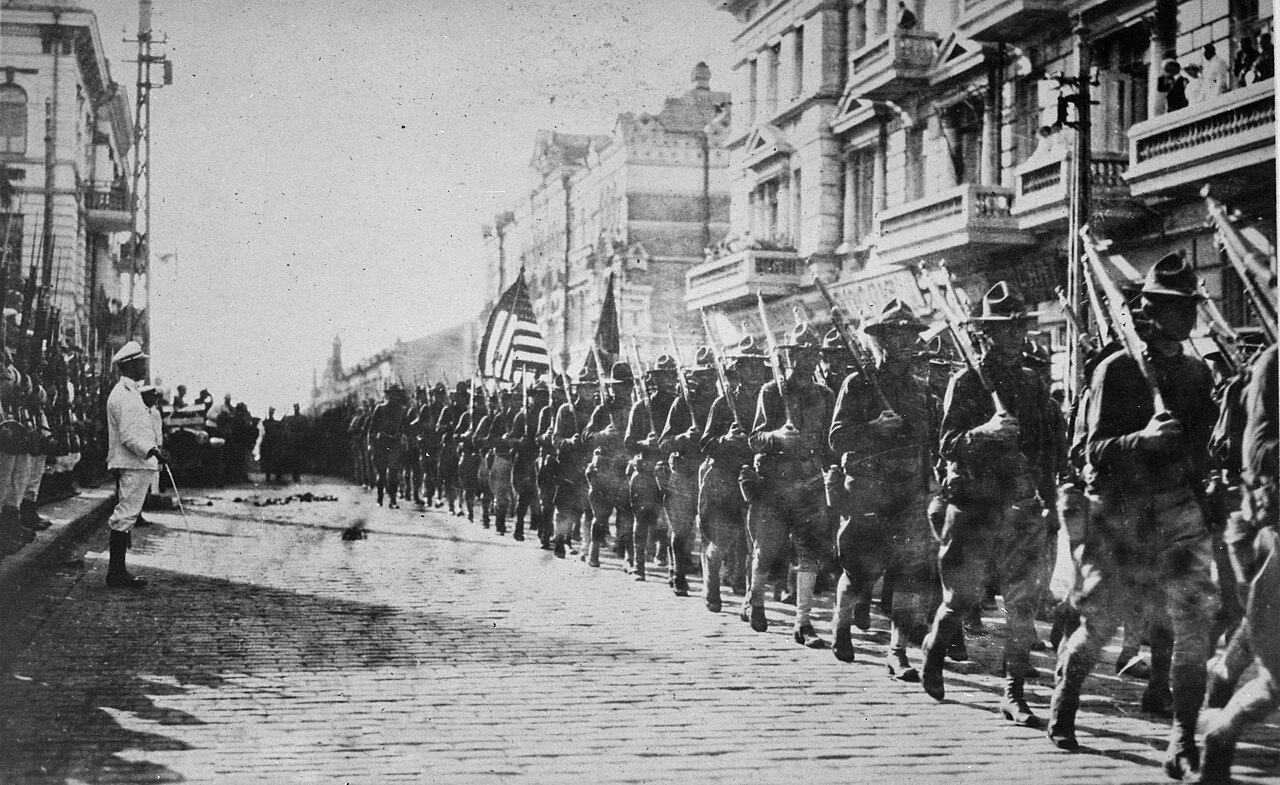
European overseas empires grew from the late 15th century onward, beginning with voyages that opened the Age of Discovery and claims on the New World. The United States followed its own trajectory: by the late 19th century its policies shifted toward outward expansion and more direct influence abroad. In the 1890s several decisive steps marked that turn. The United States formally annexed the Hawaiian Islands (Hawaii) and, after the Spanish–American War (1898), acquired or established control over territories such as Puerto Rico, Guam, and the Philippines. These events signaled a new willingness to govern and influence distant lands.
Strategic projects and doctrines
Beyond islands and colonies, the United States pursued strategic infrastructure and regional policies. The completion of the Panama Canal in 1914 exemplified efforts to reshape global trade and naval movement. Political doctrines also mattered: the Roosevelt Corollary to the Monroe Doctrine articulated a posture of intervention in the Western Hemisphere that justified actions to protect U.S. interests and to curb European influence. Over time this combination of doctrine, infrastructure, and force projected American power without always formalizing colonial rule.
Examples, consequences, and debates
Scholars and citizens debate whether to label these patterns "imperialism" and what the term implies ethically and legally. Supporters argue that U.S. involvement promoted order, trade, and modernization; critics point to coercion, unequal economic arrangements, and cultural displacement. Contemporary examples of influence include diplomatic pressure, military alliances, economic sanctions, and cultural exports. Lists of common instruments include:
- Direct territorial control or protectorates
- Military bases and interventions
- Trade agreements, aid, and investment
- Media, education, and popular culture
Legacy and distinctions
American global influence has shifted over time from overt territorial acquisition to varied forms of power projection. Distinguishing features of U.S. practice include a mix of private economic actors and state power, extensive cultural diffusion, and a network of alliances. The term "imperialism" remains contested, partly because modern forms of influence often rely on legal sovereignty of partner states rather than direct annexation. For further reading on specifics and archival materials see related resources and scholarly collections via general surveys and topic-focused links such as economic analyses (trade), military studies (defense), and cultural critiques (soft power).
Related articles
Author
AlegsaOnline.com American imperialism: history, scope, and global effects Leandro Alegsa
URL: https://en.alegsaonline.com/art/3425