
Hawaiian Islands
An overview of the Hawaiian Islands: the main islands, geological origin, human history, ecosystems, economy and cultural significance within the U.S. state of Hawaii.
The Hawaiian Islands are a volcanic archipelago in the central North Pacific Ocean. The name Hawaii is used for the entire island group as well as for the largest island. The chain includes eight main islands, numerous smaller islets and atolls, and many submerged remnants of former islands. Politically the islands form part of the U.S. state of Hawaii; statehood was granted in 1959.
Image gallery
10 Images
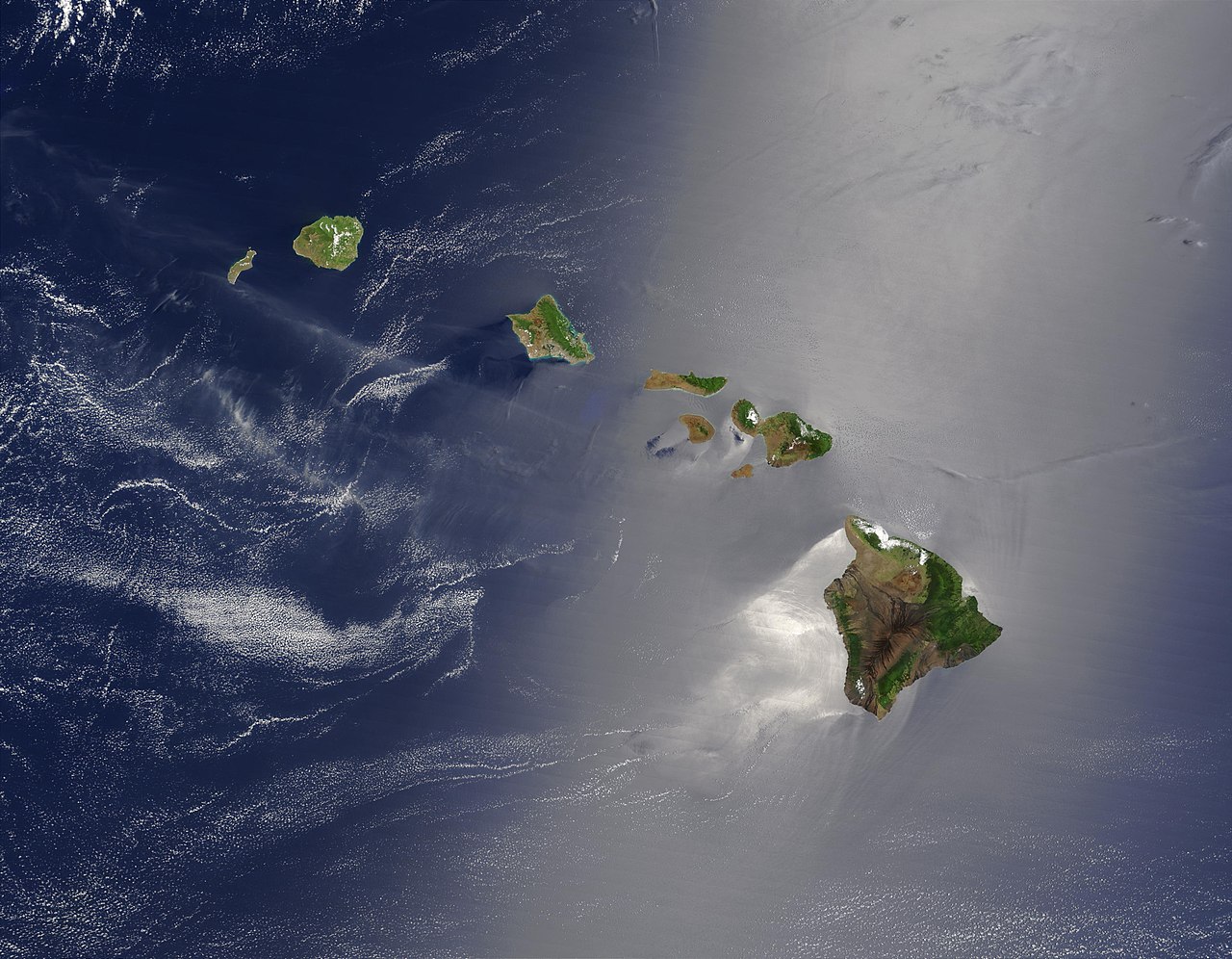



Major islands
- Niihau — privately owned and sparsely populated.
- Kauai — deeply eroded, known for dramatic cliffs and valleys.
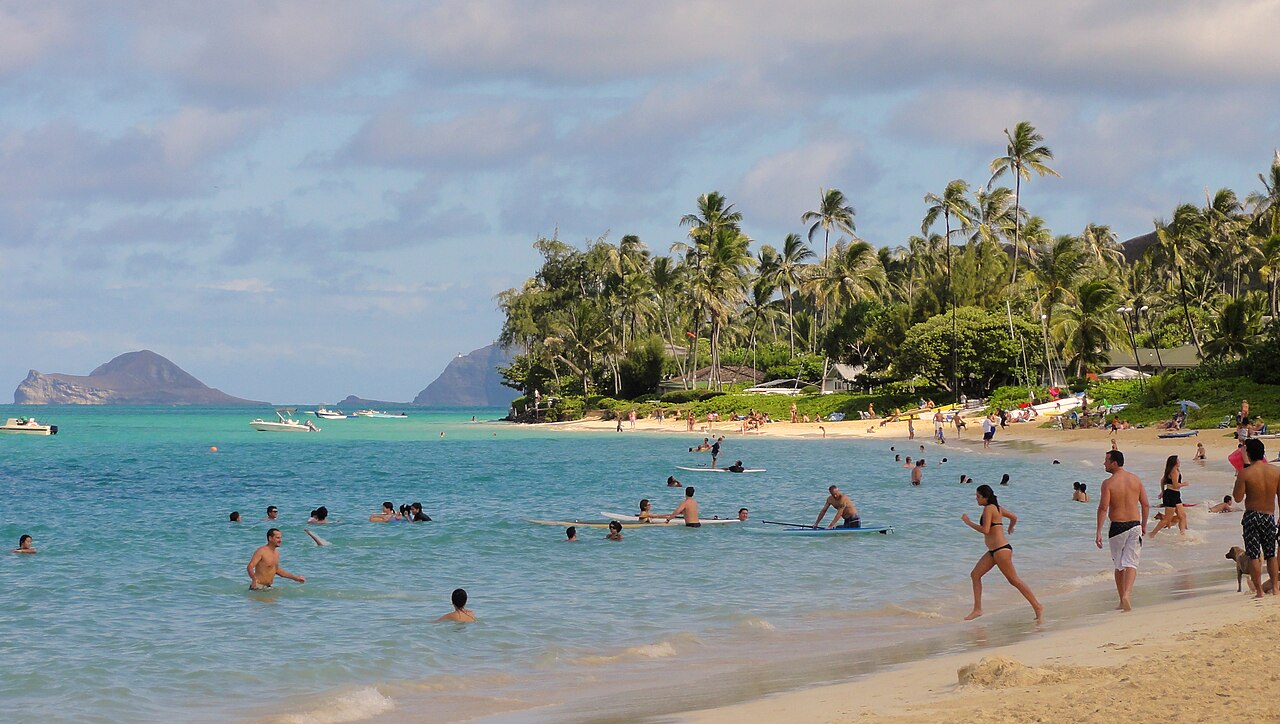
- Oahu — the population and political center, home to Honolulu.
- Moloka'i — noted for rural landscapes and traditional communities.
- Lana'i — small, with a mix of private and resort ownership.
- Kaho'olawe — uninhabited, historically used for military training and undergoing restoration.
- Maui — diverse terrain from beaches to high volcanic slopes.
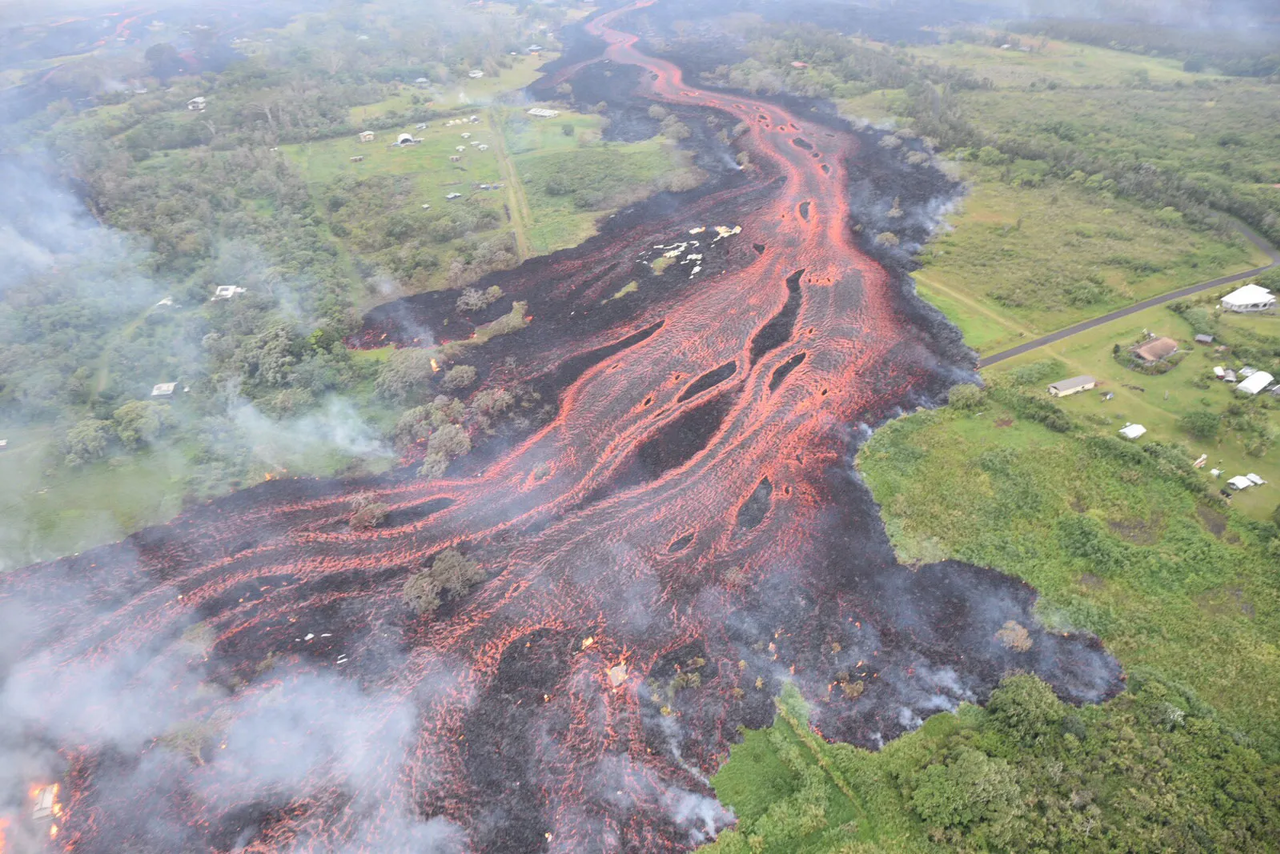
- Hawaii (the Big Island) — the youngest island with active volcanism.
Geology and formation
The islands were formed by volcanic activity as the Pacific Plate moved over a stationary hotspot. This process produced a chain of volcanoes that emerge above sea level as islands and, farther northwest, sink and erode into submerged features. The full underwater line of volcanoes is called the Hawaiian–Emperor seamount chain. Many older summits have become flat-topped seamounts, or guyots, and some former islands now lie below the waves as submerged remnants.
History and people
Polynesian voyagers settled the islands centuries ago, bringing crops, livestock and cultural practices that evolved into a distinct Native Hawaiian society. European and American visitors arrived in the late 18th century, and the islands later became an independent kingdom before being annexed by the United States. Today the archipelago blends Native Hawaiian traditions with influences from Asia, Europe and the mainland U.S.
Ecology, economy and significance
The islands host a high number of endemic species but are ecologically vulnerable to invasive plants, animals and habitat loss. Conservation efforts focus on native forest protection, reef health and species recovery. Economically, tourism dominates, supported by agriculture (historically sugar and pineapple) and a significant military presence. Hawaiian culture — language, hula, navigation and community values — remains central to the islands’ identity and to ongoing discussions about stewardship and sustainable development.
For further reading and detailed maps, see specialized references and resources linked here: archipelago overview, geological chain, and individual island pages such as Kauai or Hawaii.
Related articles
Author
AlegsaOnline.com Hawaiian Islands Leandro Alegsa
URL: https://en.alegsaonline.com/art/42919