
Philippines: an archipelagic nation in Southeast Asia
An archipelagic country in Southeast Asia of over 7,600 islands, the Philippines has diverse cultures, complex geography, a history of Spanish and American rule, and a contemporary role in regional affairs.
Overview
The Philippines is an island country and archipelago in Southeast Asia, located in the western Pacific Ocean. It comprises more than 7,600 islands, often counted as 7,641, grouped broadly into three main geographical divisions: Luzon, the Visayas, and Mindanao. The capital region centers on Manila, while other major cities serve as regional hubs. The population is ethnically and linguistically diverse; Filipino (based on Tagalog) and English are official languages alongside many regional languages and dialects. As an island state, the Philippines is shaped by maritime trade, migration, and its relationships with neighboring states.
Image gallery
10 Images


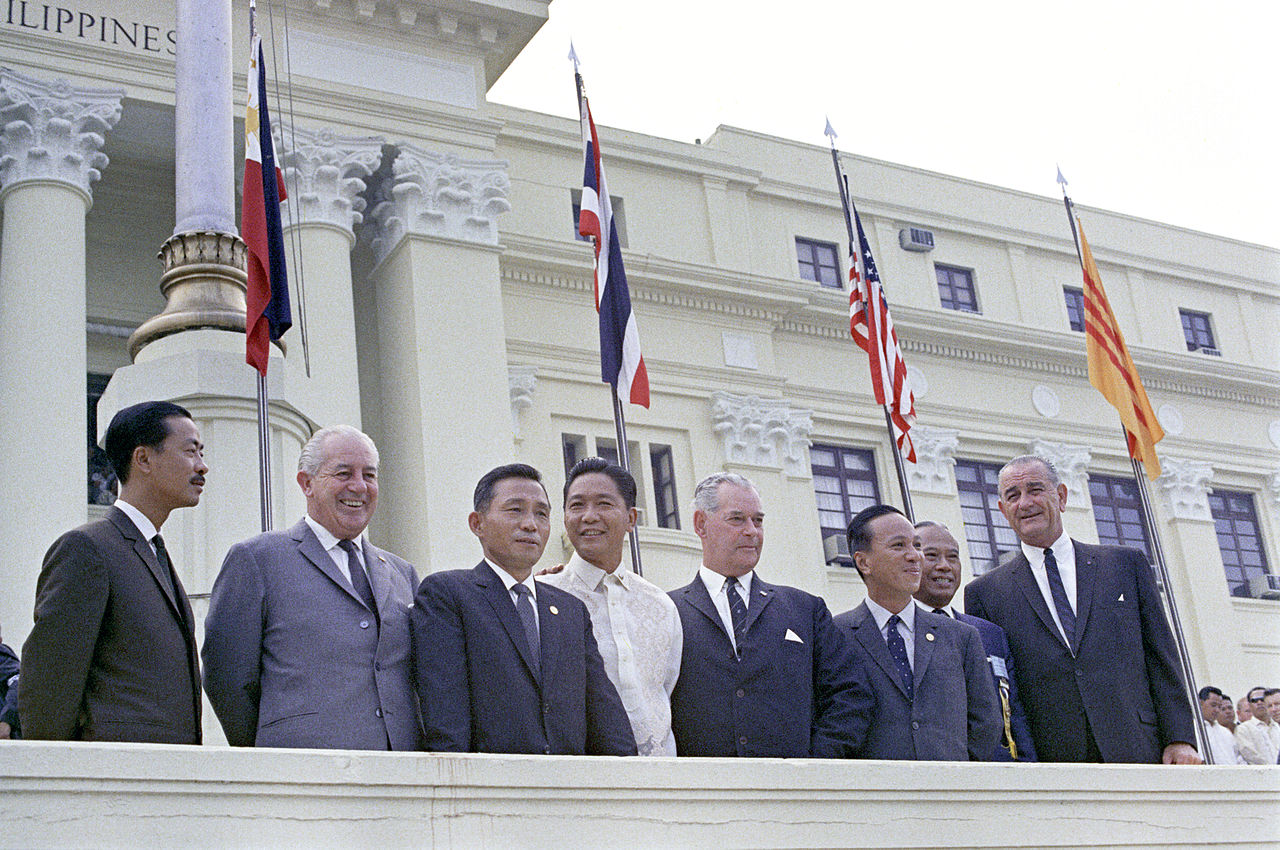


Geography and climate
The archipelago is bounded by several seas and bodies of water: to the east lies the Philippine Sea, to the west the South China Sea, and to the south the Celebes Sea. Nearby landmasses include Borneo to the southwest, Vietnam to the west across parts of the South China Sea, and Taiwan to the north. The islands range from high volcanic mountains and plateaus to coral reefs and low-lying atolls. The climate is tropical and maritime, with distinct wet and dry seasons in many areas but notable regional variation. The country lies along the Pacific Ring of Fire and is therefore subject to earthquakes, volcanic activity, and frequent tropical cyclones.
History in brief
Indigenous peoples inhabited the islands for millennia, developing varied societies and trade connections across Island Southeast Asia. European contact began in the 16th century; Spain administered much of the archipelago for several centuries, introducing Catholic Christianity and administrative institutions. Later, the United States held sovereignty in the first half of the 20th century and influenced education, law, and infrastructure. The Philippines became fully independent in 1946 and has since developed a republican system of government while navigating postcolonial economic and political challenges.
Politics and administration
The Philippines is a democratic republic with executive, legislative, and judicial branches. The country is divided into provinces, highly urbanized cities, municipalities, and barangays (local communities) for governance. National politics reflect a mix of regional interests, political families, party groups, and civil society organizations. The state maintains diplomatic and economic ties with many countries, including former colonial powers such as Spain and the United States, as well as island neighbors such as Palau.
Population, religion, and culture
The Philippines has a culturally rich society shaped by indigenous traditions and centuries of external influence. The majority of Filipinos are Christian, largely Roman Catholic, a legacy of Spanish-era missions; the country and East Timor are notable among East Asian states for having large Christian majorities. There are also significant Muslim communities, particularly in parts of Mindanao, and various indigenous belief systems. Festivals, music, dance, cuisine, and everyday practices show a blending of native, Asian, Spanish, and American elements.
Economy and society
The economy combines agriculture, manufacturing, services, and a growing information and services sector. Overseas workers and a global diaspora contribute substantial remittances that support many households. The country is rich in marine and terrestrial biodiversity, and its extensive coastlines support fisheries and maritime activity. Urbanization, infrastructure development, and demographic trends shape policy priorities in education, health, and economic diversification.
Environment and biodiversity
As an archipelago with varied habitats—from rainforests and volcanic highlands to coral reefs—the Philippines is one of the world’s biologically rich areas. Many plant and animal species are endemic, but habitat loss, overfishing, pollution, and climate change have created conservation challenges. Protected areas, community-based stewardship, and national policies aim to balance development and environmental protection.
Natural hazards and resilience
The country routinely faces natural hazards: powerful typhoons, seasonal flooding, earthquakes, and volcanic eruptions. Disaster preparedness, early warning systems, and community response are important aspects of public administration and local planning. Efforts to build resilience include infrastructure standards, coastal management, and integrated disaster risk reduction programs.
International relations and maritime issues
Because of its location, the Philippines is an active participant in regional organizations and maritime affairs. Territorial and maritime disputes in parts of the South China Sea and surrounding waters are significant for diplomacy, security, and economic access. The nation works with neighbors and partners on fisheries, conservation, and maritime safety in the broader Philippine Sea and Pacific region.
Travel, tourism, and cultural sites
The archipelago attracts visitors for its beaches, natural landscapes, and cultural heritage. Popular destinations include volcanic lakes, coral atolls, colonial-era churches, and vibrant urban centers. Sustainable tourism initiatives emphasize protection of fragile ecosystems and support for local communities. Travelers typically transit through major airports near Manila or other regional gateways.
Further reading and connections
- Geography and seas: eastern boundary — Philippine Sea; western — South China Sea; southern — Celebes Sea.
- Historical ties and influence: colonial periods involving Spain and the United States.
- Regional neighbors and links: Borneo, Vietnam, Taiwan, and nearby island states such as Palau.
- Religion and society: see resources on Christian communities and the Church’s cultural role; comparative notes with East Timor.
- General reference on the state as an island country with complex archipelagic geography.
The Philippines is a nation of geographic contrasts and cultural dynamism: a maritime crossroads with a global diaspora, complex ecology, layered history, and an evolving role in regional affairs. For focused topics—language, biodiversity, law, or regional security—consult specialist sources and official national materials accessible through the links and references above.
Questions and answers
Q: Where is the Philippines located?
A: The Philippines is an island country in Southeast Asia in the Pacific Ocean.
Q: How many islands does the Philippines have?
A: The Philippines has 7,641 islands.
Q: What is the capital city of the Philippines?
A: The capital city of the Philippines is Manila.
Q: Which countries have colonized the Philippines and Palau?
A: Spain (1521–1898), and the United States (1898–1946) have colonized the Philippines and Palau.
Q: What is the religion of the majority of the people in the Philippines?
A: The majority of the people in the Philippines are Christians.
Q: When did the Philippines become independent?
A: The Philippines became independent when the United States left in 1946.
Q: Which countries and seas border the Philippines?
A: The Philippines is surrounded on the east by the Philippine Sea, on the west by the South China Sea, and on the south by the Celebes Sea. Borneo island is a few hundred kilometers to the southwest, Vietnam is to the west, and Taiwan is directly north.
Related articles
Author
AlegsaOnline.com Philippines: an archipelagic nation in Southeast Asia Leandro Alegsa
URL: https://en.alegsaonline.com/art/76475
Sources
- gov.ph : "Republic act no. 8491" · web.archive.org
- psa.gov.ph : "Philippine Population Density (Based on the 2015 Census of Population)"
- databank.worldbank.org : "World Development Indicators"
- cia.gov : "East & Southeast Asia :: Philippines" · web.archive.org
- psa.gov.ph : "Highlights of the Philippine Population 2015 Census of Population"
- imf.org : "Report for Selected Countries and Subjects"
- data.worldbank.org : "Gini Index"
- hdr.undp.org : "Human Development Indices and Indicators: 2018 Statistical update"
- brianlucas.ca : "Which side of the road do they drive on?"
- gov.ph : "Presidential Decree No. 940, s. 1976" · web.archive.org
- news.mb.com.ph : "Filipino Sign Language declared as nat'l sign language of Filipino deaf" · web.archive.org