
Monroe Doctrine: U.S. policy on the Western Hemisphere (1823)
The Monroe Doctrine (1823) declared the Americas closed to new European colonization and intervention. It defined a hemispheric stance for U.S. foreign policy and influenced diplomacy and interventions for centuries.
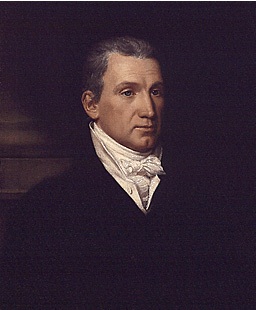
The Monroe Doctrine was announced in 1823 and became a defining statement of early American foreign policy. Proclaimed during the presidency of James Monroe, it articulated a U.S. position that the nations of the Western Hemisphere should be free from new European colonial ventures and that attempts by European powers to extend their political influence in the region would be viewed as hostile to the interests of the United States. Although brief in wording, the doctrine shaped diplomatic practice and was invoked repeatedly in later American policy debates.
Image gallery
10 Images


Core principles
- Non-colonization: Opposition to establishment of new colonies in the Americas.
- Non-intervention: Resistance to foreign interference in the affairs of independent American states.
- Reciprocal restraint: The United States generally avoided meddling in European conflicts or existing colonies.
These principles were presented as protective of newly independent states in South America and elsewhere in the hemisphere, many of which had loosened ties with the Spanish Empire in the wake of upheavals created by the Napoleonic Wars and the Peninsular War. At the time, Spain and other European powers debated whether to reassert control, prompting concern in Washington and among some Latin American leaders.
Origins and immediate context
The doctrine emerged from a mix of idealism about republican self-determination and pragmatic security concerns. The United States lacked a large navy and depended in part on the maritime power of the United Kingdom to deter aggressive moves by other European states. Diplomats such as John Quincy Adams advised a clear public position; the declaration was therefore as much diplomatic signaling as binding law. It was presented as a unilateral policy statement rather than a multilateral treaty.
Implementation, reactions, and evolution
In practice the Monroe Doctrine relied on shifting balances of power and American willingness to assert leadership in the hemisphere. The Spain and other European governments received the policy with varying degrees of skepticism or acquiescence. Over time the doctrine was expanded in scope: later interpretations—most notably the Roosevelt Corollary and Cold War-era uses—translated the original statement into broader claims of U.S. authority to intervene in regional affairs when American leaders judged stability or security to be at risk.
Legacy and significance
Historians view the Monroe Doctrine as a milestone in U.S. diplomatic identity. It established the idea of a Western Hemisphere sphere of influence and influenced both protective rhetoric toward neighboring states and controversial interventions. Latin American reactions have ranged from appreciation for support against recolonization to criticism of U.S. dominance. The doctrine remains a touchstone in discussions about sovereignty, hemispheric relations, and the limits of unilateral policy declarations in international law.
For further context and primary texts, readers can consult general histories of American foreign policy and collections of early 19th-century diplomatic correspondence. Contemporary analyses examine how the doctrine was used, adapted, and contested in later decades and different geopolitical circumstances.
Related articles
Author
AlegsaOnline.com Monroe Doctrine: U.S. policy on the Western Hemisphere (1823) Leandro Alegsa
URL: https://en.alegsaonline.com/art/66150