
Annexation
Annexation is the unilateral incorporation of territory by one state into another, often following occupation or a political act; it raises legal, historical, and diplomatic issues under international law.
Overview
Annexation is the act by which one state proclaims sovereignty over land that was previously outside its jurisdiction. The term derives from older languages and concepts; see the Latin roots for its linguistic origin. In practice annexation can follow military conquest, political declaration, or administrative integration.
Image gallery
9 Images




Key characteristics
Typical features include a unilateral claim of sovereignty, extension of the annexing state's domestic law and institutions, and changes to borders and governance. Annexation is often distinguished from temporary occupation: occupation may involve control without a formal claim of sovereignty, while annexation asserts permanent authority. For discussion of military control, see occupation.
Legal and diplomatic context
Since the mid-20th century international law has increasingly rejected acquisition of territory by force. The United Nations and customary norms emphasize respect for sovereignty and the inadmissibility of annexing territory obtained through aggression. Questions of recognition, the rights of affected populations, and remedies—such as non-recognition, sanctions, or negotiated settlement—are central to the diplomatic response.
History and examples
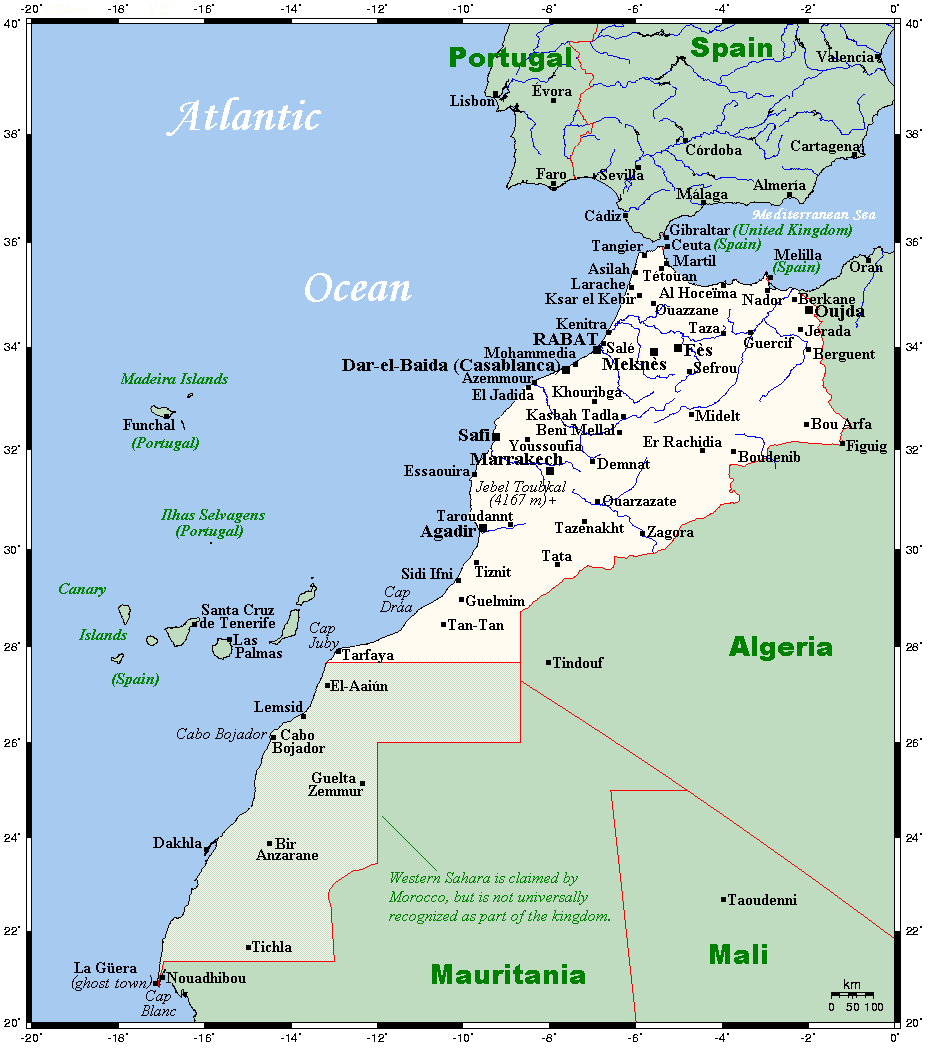
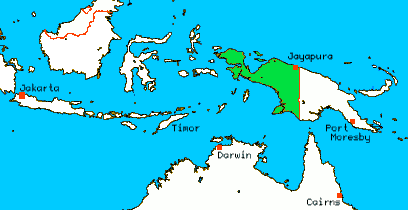
Historically annexation was a common method of state expansion in empires and colonial systems. Modern examples include widely reported cases such as the incorporation of certain regions after military campaigns or political agreements. Annexations have produced long-running disputes between the annexing state and the state claiming the original sovereignty; compare the legal claims of the annexing state with competing claims to the territory.
Distinctions and consequences
- Annexation vs cession: cession transfers territory by treaty or sale, typically with mutual consent.
- Annexation vs secession: secession is a part of a state's population breaking away to form or join another state.
- Consequences include altered citizenship, property disputes, and international responses that can affect trade and security.
Understanding annexation requires attention to history, law, and politics: it remains one of the most sensitive forms of territorial change because it directly challenges the existing order of states and the rights of people living in the affected area.
Related articles
Author
AlegsaOnline.com Annexation Leandro Alegsa
URL: https://en.alegsaonline.com/art/4452