
Fishery (fisheries)
A fishery is any operation that raises, catches, processes or manages fish and other aquatic organisms. Fisheries include wild capture and aquaculture and have ecological, economic and cultural importance worldwide.
Overview
A fishery is an enterprise, place or activity focused on obtaining aquatic organisms for food, trade, recreation or conservation. Fisheries range from a family-run pond or river netting to large industrial fleets and commercial aquaculture farms. Some fisheries remove fish from wild populations, while others produce fish through controlled breeding and rearing.
Image gallery
10 Images




Types and components
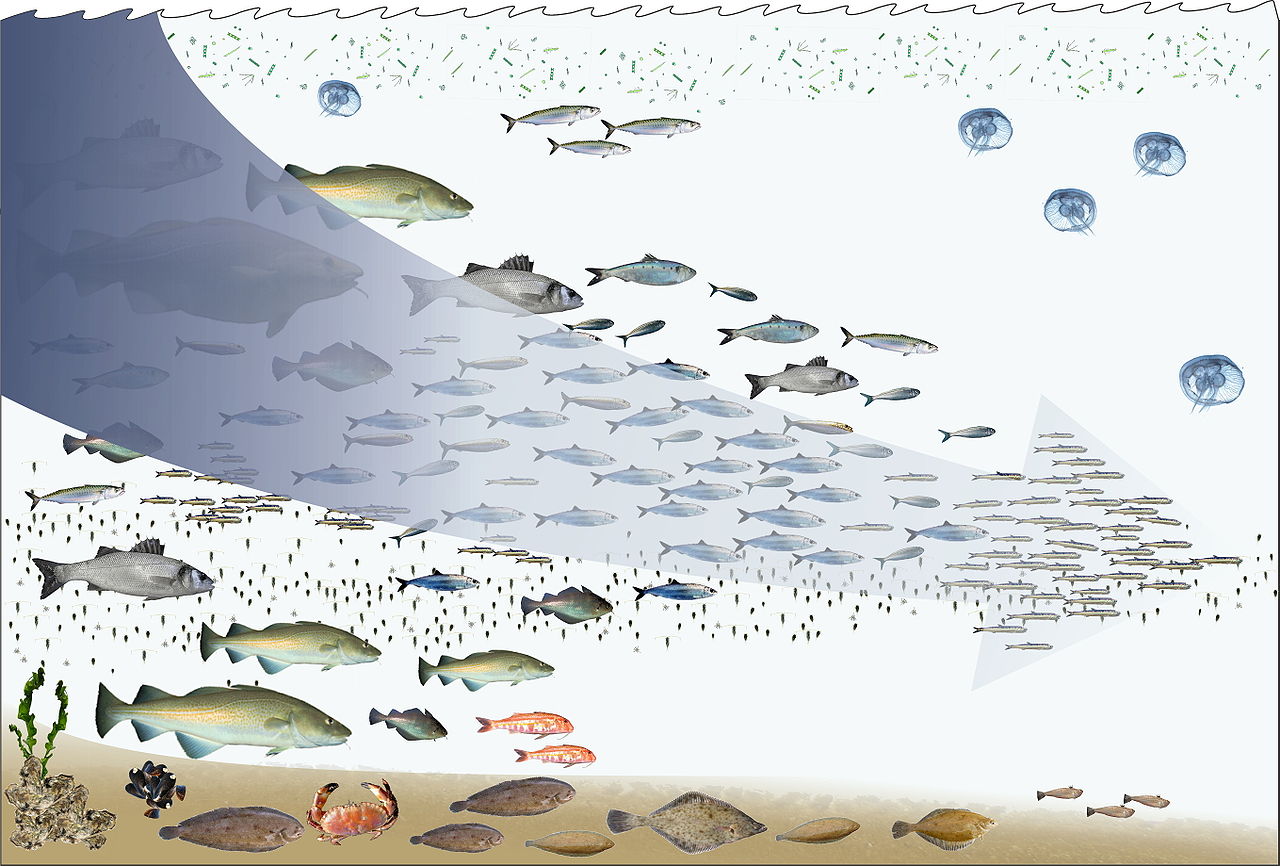
Fisheries are commonly grouped by method and setting. Capture fisheries harvest wild stocks in oceans, rivers and lakes. Aquaculture, or raising fish, produces species in pens, tanks or ponds. They also vary by scale—small-scale artisanal operations, recreational fisheries, and large-scale commercial ventures all follow different practices and regulations.
How fisheries work
- Target species selection and stock assessment to estimate populations.
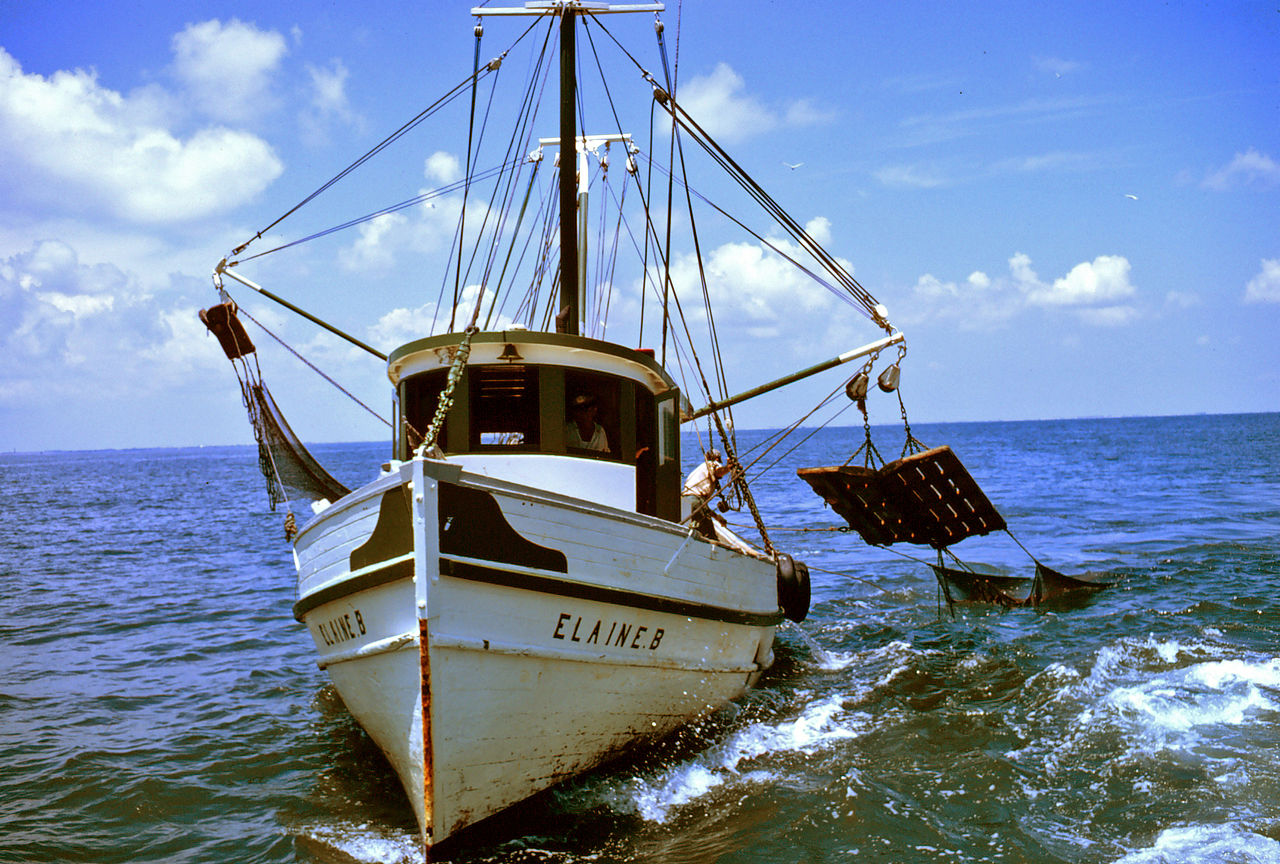
- Harvest methods such as trawling, longlining, gillnetting or seine nets in capture fisheries.
- Breeding, feeding and disease control in aquaculture systems.
- Processing, distribution and market chains that deliver products to consumers.
History and development
Human fishing predates written history and has evolved from subsistence hunting to sophisticated global industries. Advances in gear, refrigeration and transport expanded reach and yields. Aquaculture grew as a response to demand and declining wild stocks, with notable examples like salmon fisheries becoming both cultural icons and commercial mainstays.
Importance and challenges
Fisheries provide protein, livelihoods and cultural value for millions of people. They are also sources of environmental concern: overfishing, bycatch, habitat damage and pollution affect marine and freshwater ecosystems. Sustainable management, quota systems, protected areas and best-practice aquaculture help balance use with conservation.
Distinctions and notable facts
Not all fisheries are intended for human consumption: some support bait, ornamental trade or stock enhancement for recreational angling. Effective fisheries management combines science, local knowledge and policy to maintain stocks and the communities that depend on them.
Related articles
Author
AlegsaOnline.com Fishery (fisheries) Leandro Alegsa
URL: https://en.alegsaonline.com/art/34636