
Firewood: Uses, Types, Seasoning, Storage, Safety, and Sustainability
Firewood is wood gathered and prepared for burning. This article outlines common types, seasoning and storage, measurement, uses, safety and environmental considerations, and distinctions from other solid fuels.
Overview
Firewood is wood that is collected and used as fuel for heating, cooking, or recreational fires. In its simplest form it is cut or split logs and branches, typically with little industrial processing. Many people treat firewood as a household commodity, bought by the bag, stacked by the cord, or gathered locally for immediate use. For basic context see a general definition of wood and its role as a fuel.
Image gallery
10 Images



Characteristics and common types
Firewood differs mainly by species, density and moisture content. Hardwoods such as oak, maple, ash and hickory are dense and burn longer and hotter; softwoods like pine and fir ignite quickly and produce fast, hot flames but generally burn faster and can create more creosote in chimneys. Seasoned firewood — wood that has been dried — is preferred because low moisture improves combustion and reduces smoke. A well-seasoned piece typically has moisture near common recommendations for efficient burning.
Measurement and preparation
Firewood is measured in bundles, face cords, and cords; a cord is the traditional stacked volume used in commerce. Preparation includes cutting, splitting and stacking off the ground to encourage air drying. Seasoning time varies by species and climate, often taking several months to a year. Proper stacking and covering the top while leaving sides exposed helps weather the wood without trapping moisture.
Uses and cultural importance
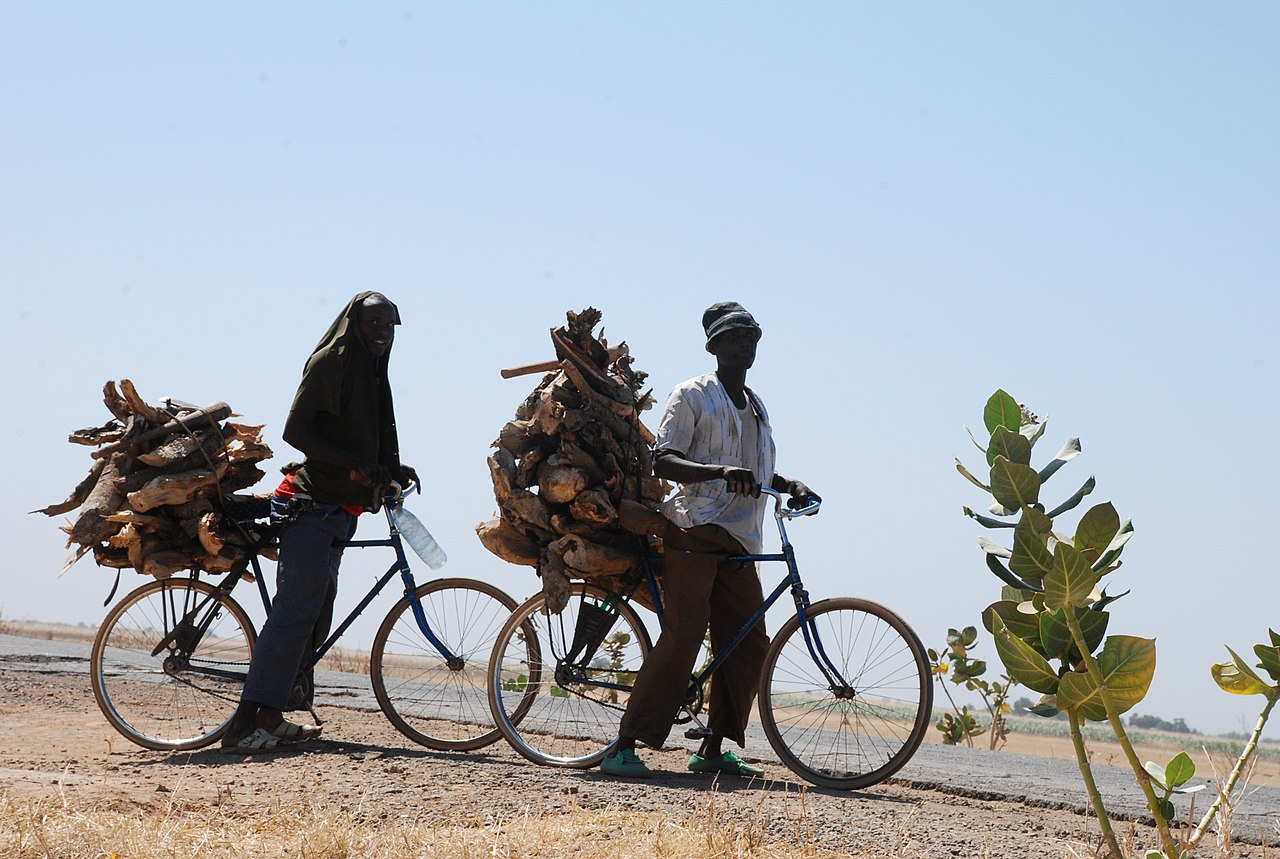
Firewood serves many roles: domestic heating with wood stoves or fireplaces, cooking in wood-fired ovens and barbecues, campfires for warmth and recreation, and smoking foods. In some regions it remains a primary domestic fuel and an important part of local traditions.
Safety, environment, and best practices
Burning wood produces particulate matter and gases; efficient stoves and dry fuel reduce emissions. Creosote buildup in chimneys is a major safety concern and requires periodic cleaning. Sustainable harvesting, such as selective cutting and coppicing, helps preserve forest health. Transporting firewood can spread pests and invasive species, so many jurisdictions recommend sourcing wood locally and observing quarantines.
Distinctions and notable facts
- Firewood vs. pellets/briquettes: processed fuels have uniform size and moisture and are designed for certain appliances.
- Species selection affects heat output, burn time and flavor when used in cooking or smoking.
- Firewood is renewable when forests are managed responsibly — see considerations about renewable resources.
Whether used for survival heating or weekend campfires, responsible selection, drying and storage of firewood improve performance, reduce pollution and protect forests and communities.
Related articles
Author
AlegsaOnline.com Firewood: Uses, Types, Seasoning, Storage, Safety, and Sustainability Leandro Alegsa
URL: https://en.alegsaonline.com/art/34495
Sources
- commons.wikimedia.org : Firewood