
Composite material: definition, types, history, and applications
Composites are materials made from two or more distinct constituents that together deliver properties not found in the parts alone. This article explains components, history, properties, and common uses.
Overview
Composite materials are engineered or natural substances created by combining two or more distinct constituents so that the whole exhibits properties different from the separate parts. Typically one phase acts as a continuous matrix and the other as a reinforcement. Well-known examples include reinforced concrete (a combination of concrete and steel) that improves resistance to compression and bending, and laminated systems such as bullet‑proof glass (layers of glass and plastic) that dissipate impact energy.
Image gallery
10 Images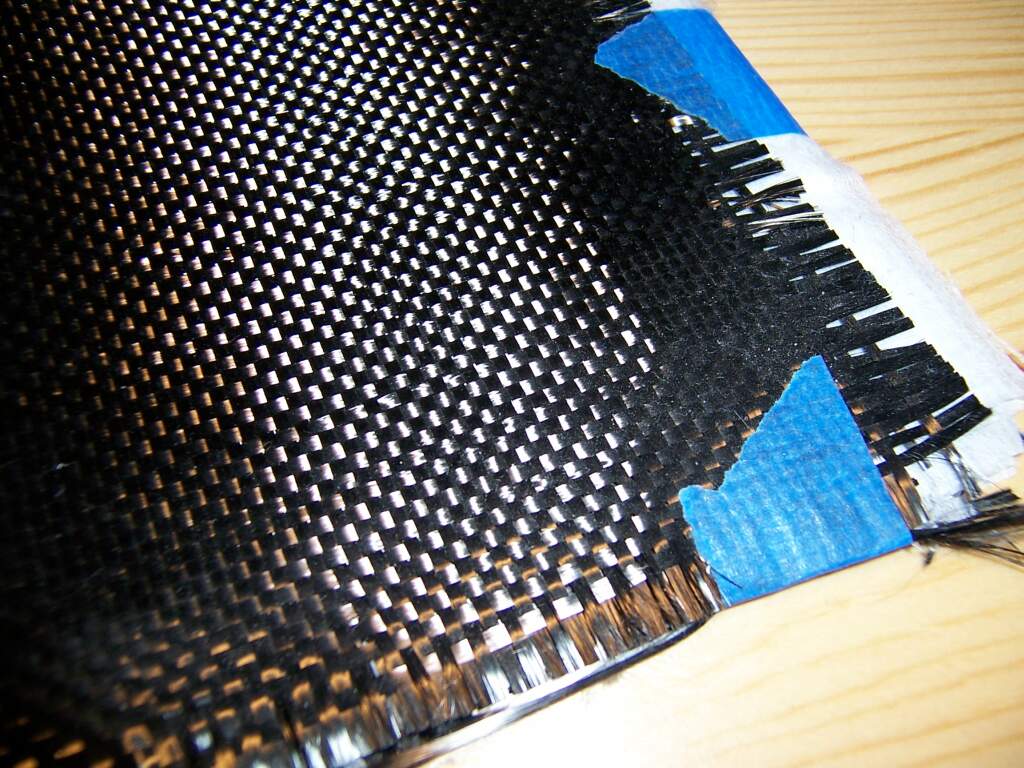






Components and common types
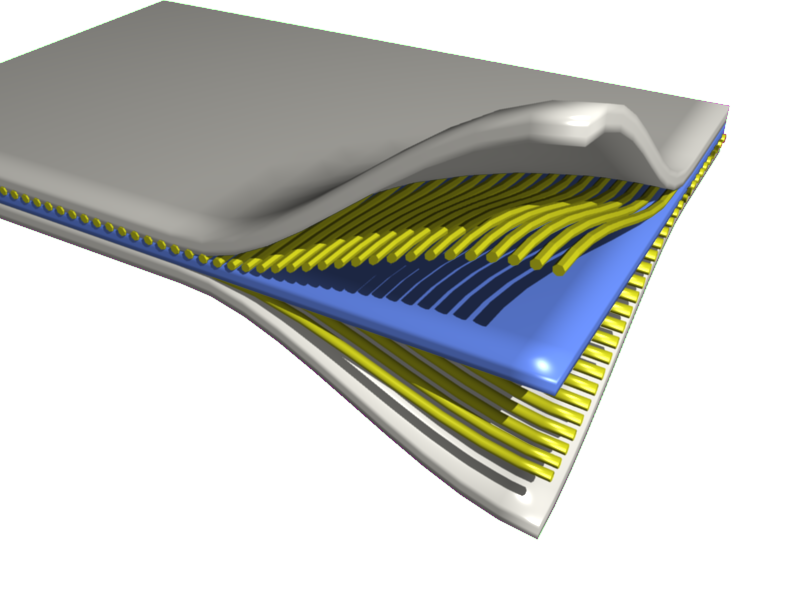
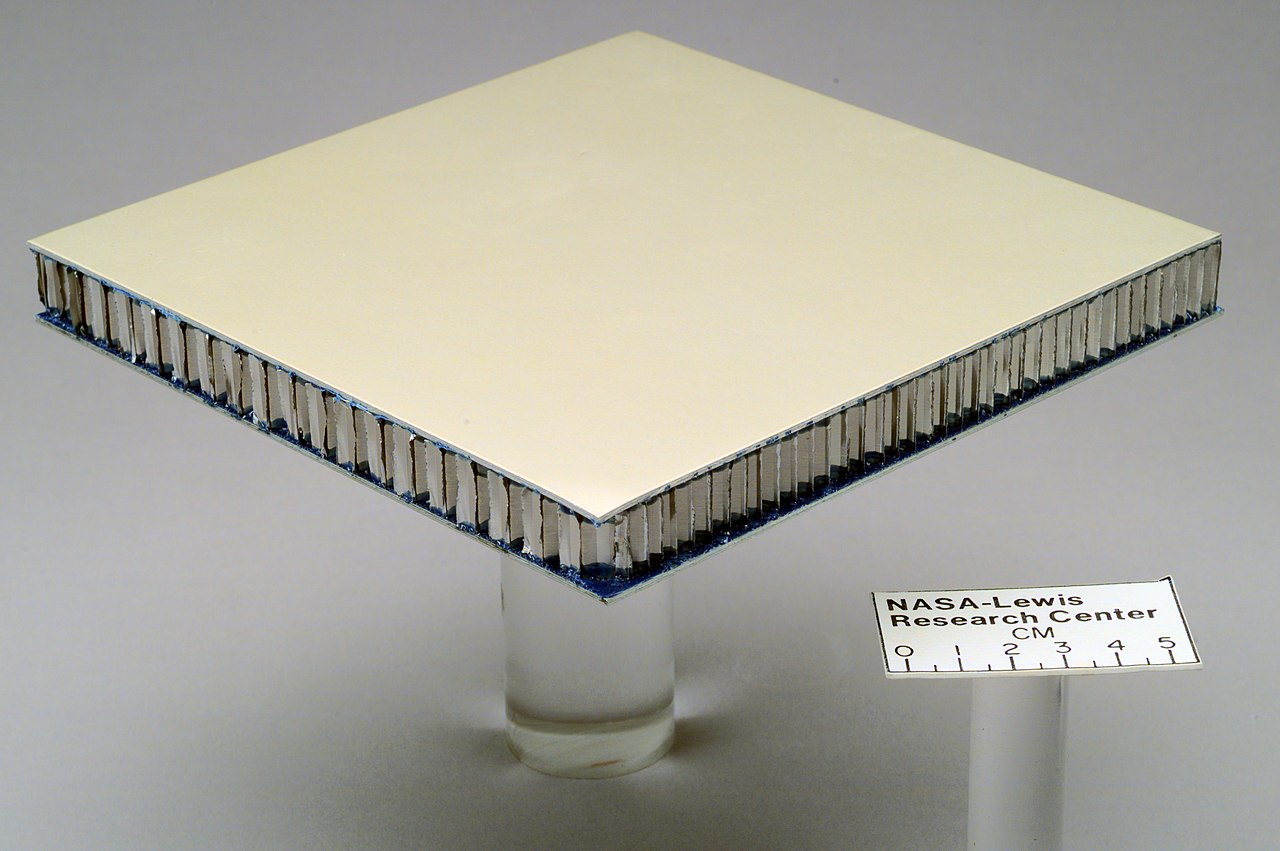
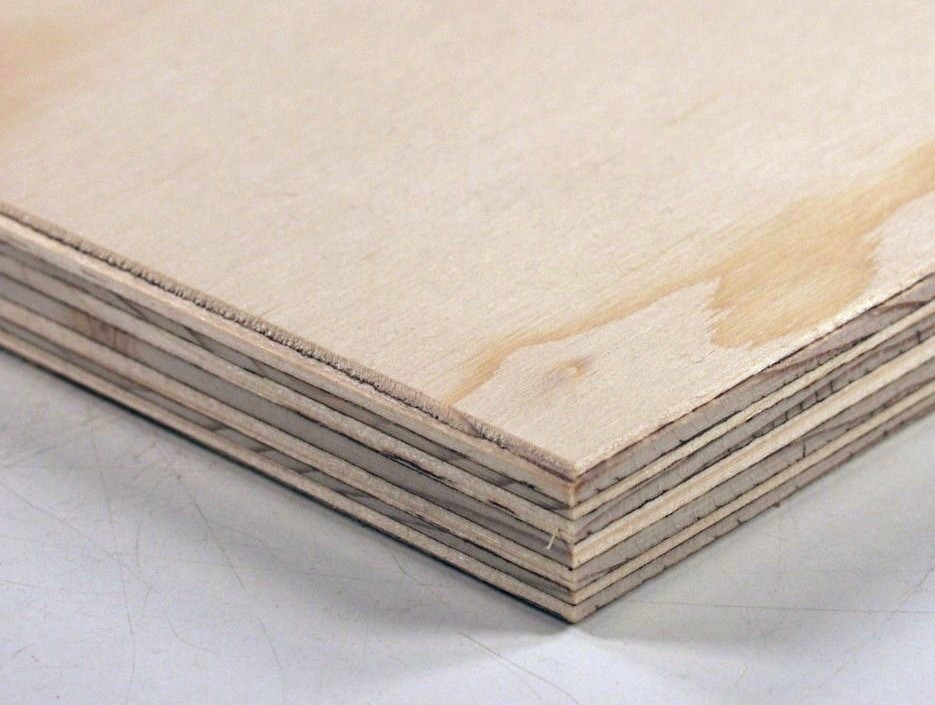
At the simplest level a composite includes a matrix that binds, protects and transfers load and a reinforcement that provides strength or stiffness. Natural composites include wood, where cellulose fibres are embedded in a lignin-rich matrix. Engineered families include particle-, fiber- and laminate-based composites. Modern engineering often relies on fibre-reinforced polymers and glass-reinforced plastics for high strength-to-weight performance and corrosion resistance.
History and development
Use of composite methods dates back to prehistory. Builders mixed straw and mud to press bricks for building and construction, a practice depicted in Egyptian tomb paintings. These are among the earliest man‑made composites. Over centuries, widespread use of concrete and the later addition of metal reinforcement transformed structural design; twentieth-century advances in polymers and fibers produced many of the high‑performance composites used today.
Properties and advantages
Composites are valued because their constituents remain separate but work together to produce tailored behavior. Designers can optimize stiffness, strength, toughness, thermal stability or corrosion resistance by selecting appropriate matrix and reinforcement materials and arranging them directionally. Common advantages are improved strength-to-weight ratio, the ability to create anisotropic (directional) properties, and enhanced fatigue or environmental resistance. Trade-offs include more complex failure modes, production and quality-control demands, and end-of-life recycling challenges.
Applications and examples
Composites are used across many sectors:
- Construction and infrastructure: reinforced concrete for foundations, bridges and buildings.
- Aerospace and automotive: carbon- and glass-fibre composites for structural components and bodywork.
- Marine and leisure: glass-reinforced plastics for hulls, decks and sporting equipment.
- Safety and protection: laminated glass/plastic assemblies like bullet‑proof glass and impact-absorbing panels.
- Consumer and industrial parts: housings, piping, and reinforcements using fibre-reinforced polymers.
Distinctions and notable facts
Composites differ from alloys and simple mixtures because their components retain distinct identities and are often arranged in engineered architectures to achieve target properties. Some composites, such as concrete and wood, have ancient origins; others emerged from advances in polymer science and materials engineering. Cultural references to composite production appear in literature and tradition: for example, the Biblical book of Exodus recounts how the Israelites were compelled by Pharaoh to make bricks without straw, illustrating the long human reliance on composite building methods.
Questions and answers
Q: What are composite materials?
A: Composite materials are made from two or more basic materials that are merged together to create a material with useful properties unlike the individual elements.
Q: Can composite materials behave differently from either of their parts?
A: Yes, the composite material as a whole may behave differently from either of its parts.
Q: What is reinforced concrete made of?
A: Reinforced concrete is made of concrete and steel.
Q: What are the properties of reinforced concrete?
A: Reinforced concrete has resistance to pressure and to bending forces.
Q: What is bullet-proof glass made of?
A: Bullet-proof glass is made of glass and plastic.
Q: What are the properties of bullet-proof glass?
A: Bullet-proof glass is far more resistant to impact than either glass or plastic on their own.
Q: What is concrete made of?
A: Concrete itself is a composite material, made of cement, water, coarse and fine aggregates.
Related articles
Author
AlegsaOnline.com Composite material: definition, types, history, and applications Leandro Alegsa
URL: https://en.alegsaonline.com/art/22264